Climate Policy and Modern Agriculture
Climate policy is no longer limited to international summits and government reports. Today, it directly influences how food is grown, traded, and priced across the world. As climate risks intensify, agriculture has moved to the center of policy discussions due to its strong connection with emissions, land use, and water resources.
Governments now view farming not only as a food system but also as a climate-sensitive sector that requires structured reform.
Why Agriculture Has Become a Policy Priority
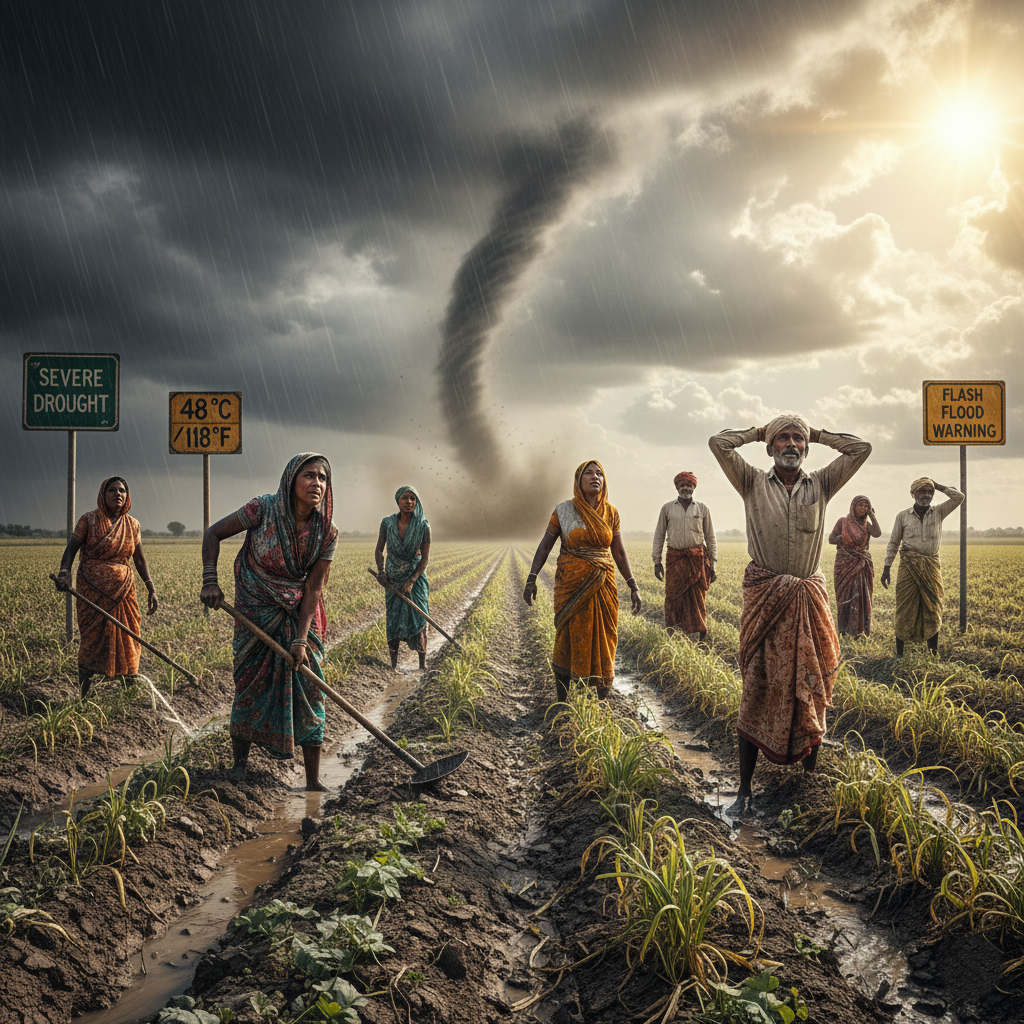
Agriculture contributes significantly to greenhouse gas emissions while also remaining highly vulnerable to climate change. Extreme heat, shifting rainfall patterns, and frequent weather disruptions are already affecting crop yields and farmer income.
Because of this dual role, policymakers increasingly target agriculture when designing climate strategies. Food systems are now expected to reduce environmental impact while maintaining stable production.
Policy Measures Affecting Farmers
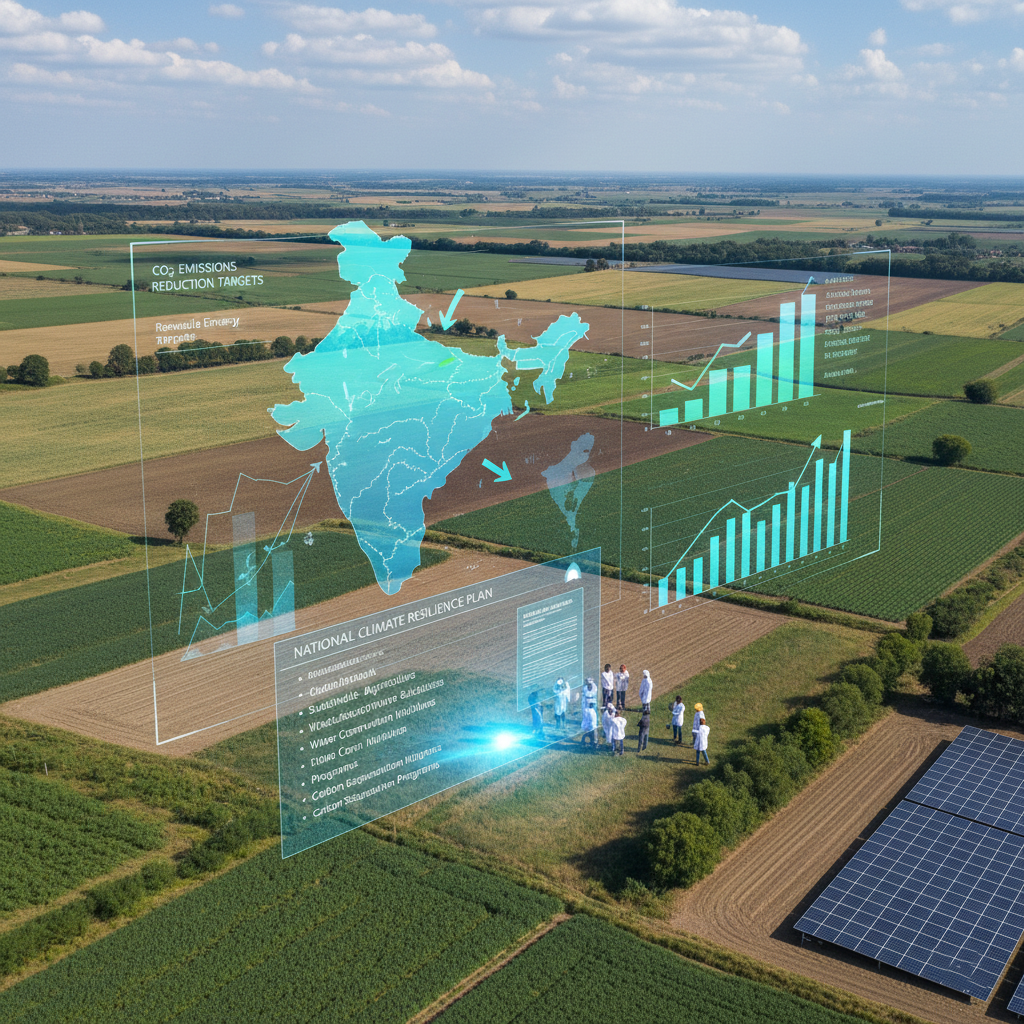
Climate-focused policies influence agriculture through regulations, incentives, and long-term planning frameworks. These measures aim to guide farming toward more efficient and resilient practices.
Common policy approaches include:
- Incentives for water-efficient irrigation and soil conservation
- Restrictions on excessive chemical input use
- Support for climate-resilient crops and farming techniques
Although these policies create new opportunities, they also demand adaptation from farmers.
Challenges in Policy Implementation
While climate policies aim to support sustainability, implementation often presents challenges. Many farmers face limited access to information, technology, and financial resources. As a result, policy benefits do not always reach those who need them most.
Clear communication, practical training, and region-specific planning play a crucial role in bridging this gap. Without local adaptation, even well-designed policies struggle to deliver results.
Global Markets Respond to Climate Policy
Climate policy also reshapes global agricultural trade. Buyers increasingly expect proof of responsible production, especially in export markets. As sustainability requirements rise, farms that align with policy expectations gain a competitive advantage.
At the same time, supply chains are adjusting to new reporting and transparency requirements, making sustainability an operational factor rather than a branding exercise.
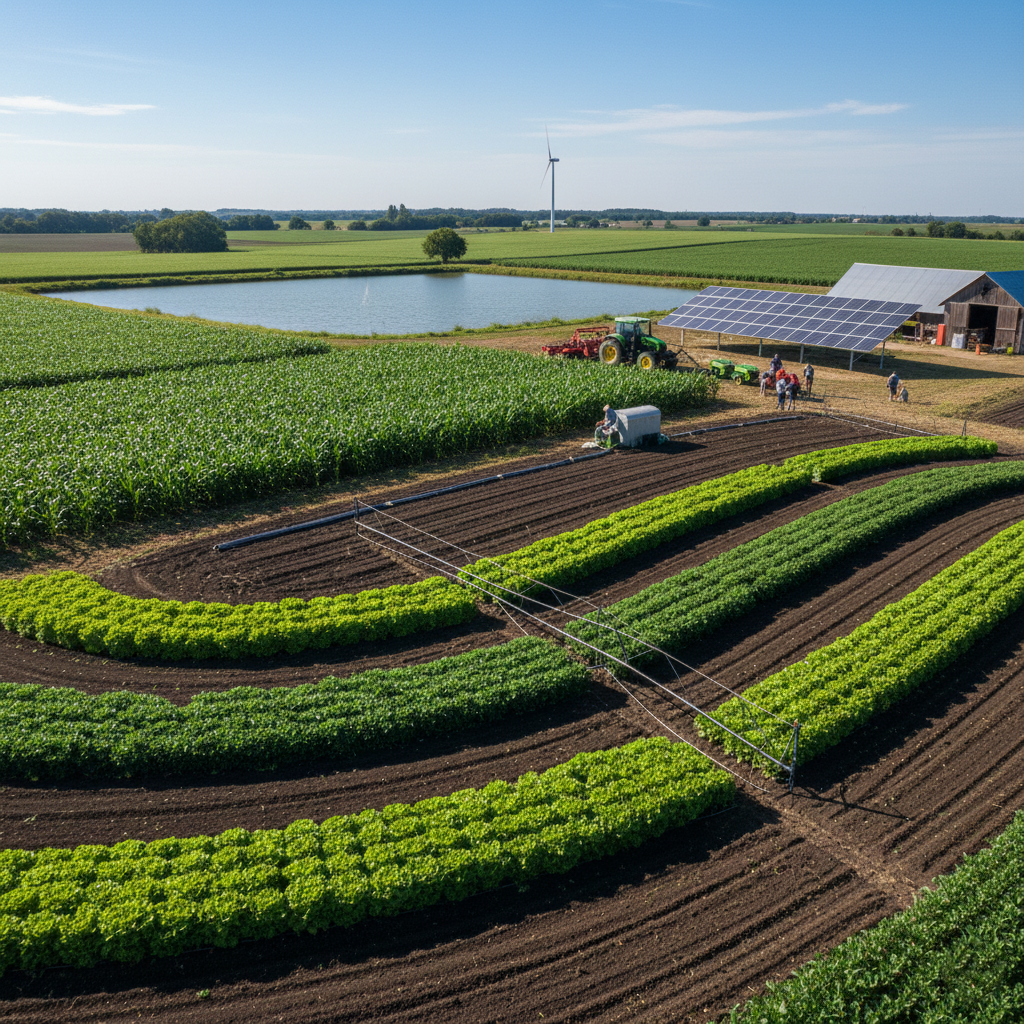
The Future of Policy-Driven Farming
As climate challenges grow, agriculture will remain a focus area for policy innovation. Future strategies will likely emphasize efficiency, resilience, and accountability across farming systems.
For farmers, adaptation will become essential. Those who understand policy direction early can adjust practices gradually, reduce risk, and secure long-term stability. Ultimately, climate policy is reshaping agriculture not as a restriction, but as a framework for future-ready food systems.
About The Author