Climate-Resilient Crops and Global Agriculture
As climate change accelerates, farming systems around the world are under increasing stress. Rising temperatures, prolonged droughts, unpredictable rainfall, and frequent extreme weather events are disrupting traditional crop cycles. In response, climate-resilient crops are emerging as a critical solution for safeguarding global food production.
These crops are designed or selected to withstand harsh environmental conditions while maintaining stable yields. For many regions already facing climate pressure, resilient crop varieties are becoming essential for long-term agricultural survival.
How Climate Change Is Reshaping Crop Production
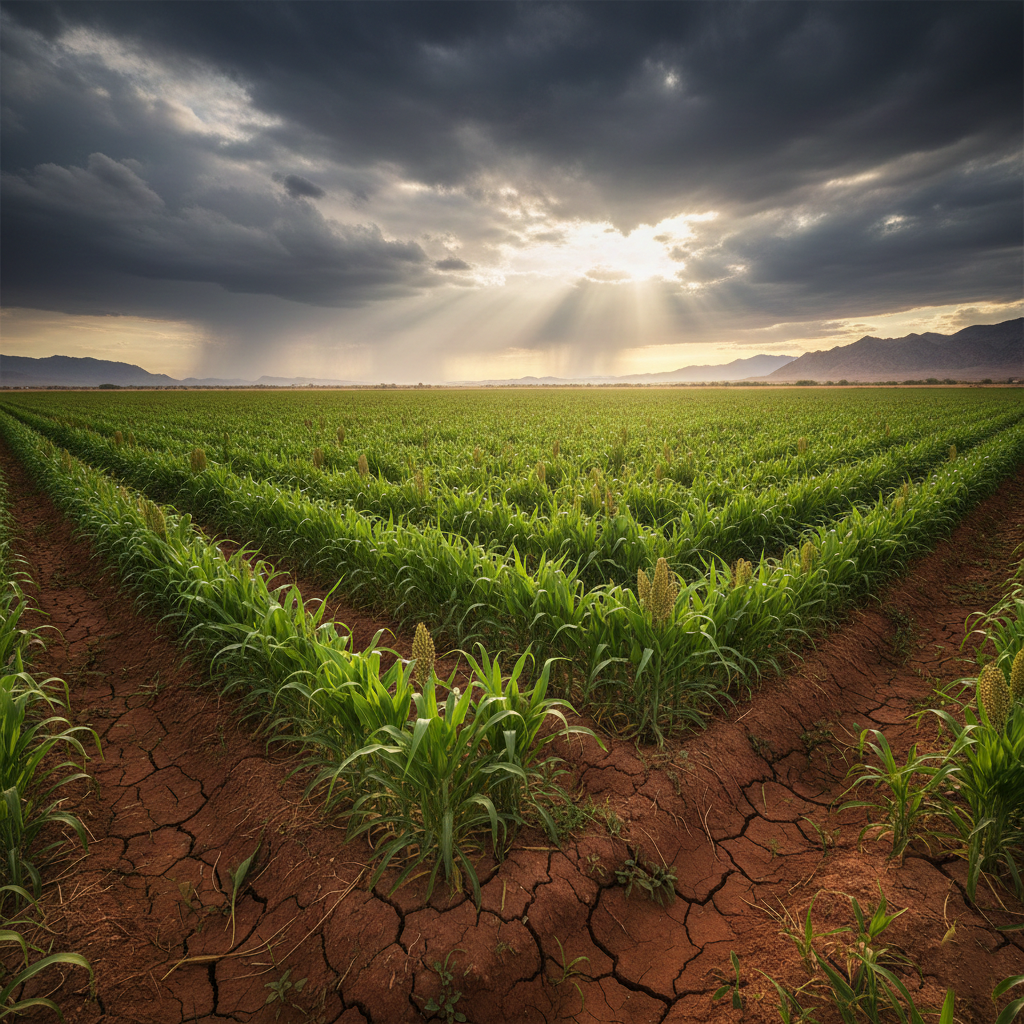
Conventional crops are highly sensitive to environmental changes. Heat stress, water scarcity, and soil degradation significantly reduce productivity, especially in rain-fed farming systems. Farmers are increasingly reporting crop failures due to sudden weather shifts that traditional farming methods cannot manage effectively.
This growing instability has forced governments, research institutions, and farming communities to rethink how food is produced under changing climatic conditions.
What Makes Crops Climate-Resilient
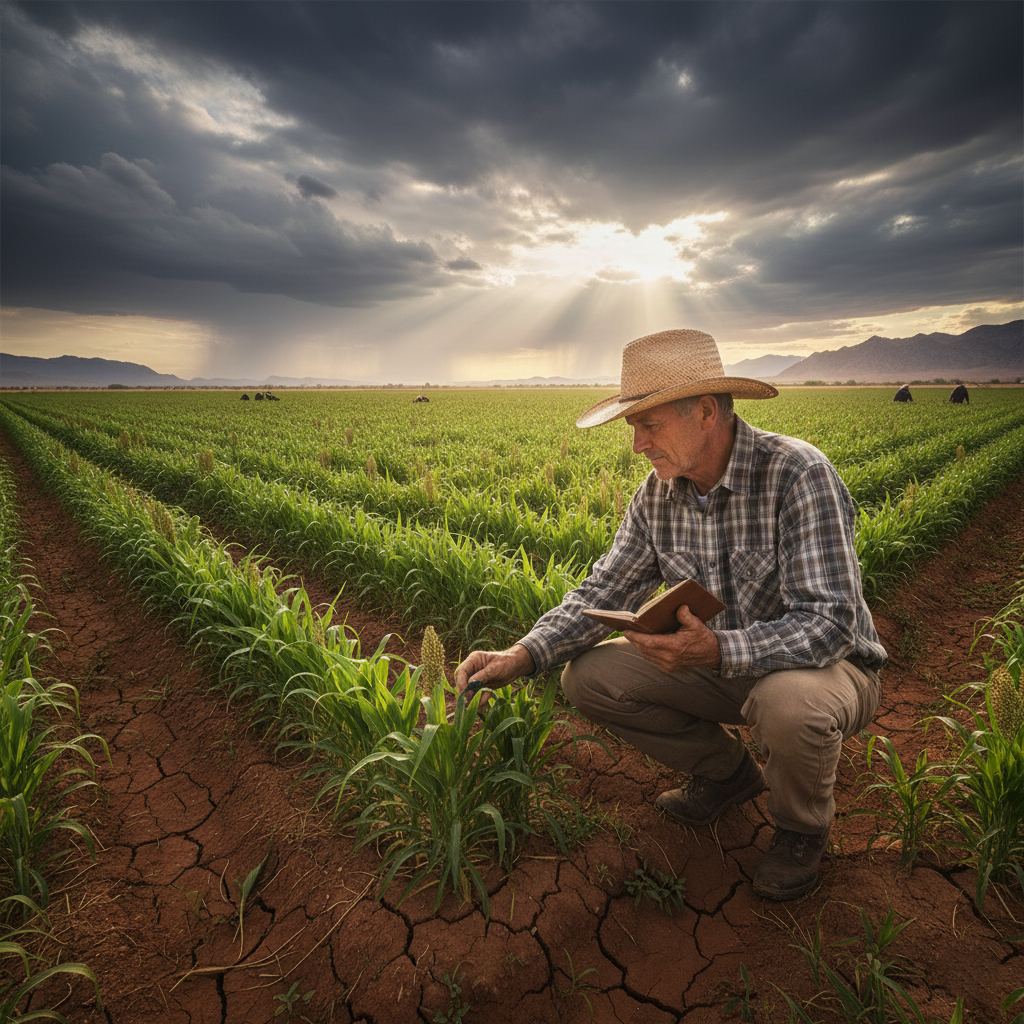
Climate-resilient crops are developed through scientific research, traditional seed preservation, and adaptive farming knowledge. These crops are capable of tolerating heat stress, limited water availability, and degraded soil conditions.
Some key characteristics include:
- Improved tolerance to drought and high temperatures
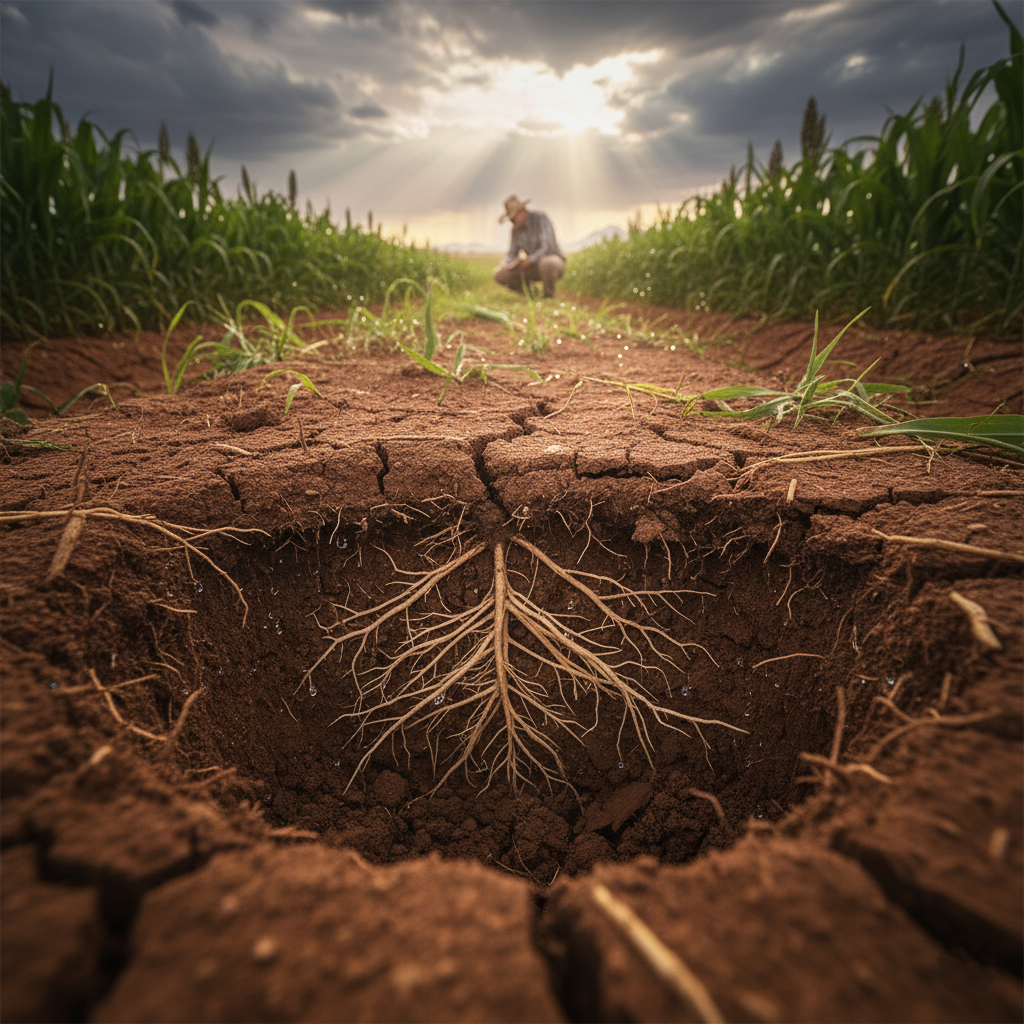
- Strong root systems that enhance water and nutrient uptake
- Resistance to climate-related pests and diseases
When combined with responsible farm management, these crops help reduce risk and stabilize food supply.
Sustainable Farming Practices Enhance Crop Resilience
Crop resilience does not depend on seed selection alone. Farming practices play an equally important role. Soil health, water management, and biodiversity directly influence how well crops adapt to environmental stress.
This is where Sustainable Agriculture Standards become highly relevant. These standards outline farming practices that support climate adaptation by improving soil structure, conserving water, and reducing environmental stress on crops.
Instead of short-term fixes, Sustainable Agriculture Standards promote a system-based approach that strengthens the entire farm ecosystem.
The Role of Standards in Climate Adaptation
Globally aligned Sustainable Agriculture Standards act as a guide for farmers seeking to adapt to climate risks responsibly. They provide structured recommendations on crop selection, soil conservation, irrigation planning, and resource efficiency.
By following these standards, farmers can enhance resilience while maintaining productivity and protecting natural resources. This approach also improves transparency and accountability across agricultural supply chains.
The Global Sustainability Impact Foundation (GSIF) supports this transition by offering training and certification programs that help farmers implement climate-smart practices aligned with sustainability benchmarks.
Building a Climate-Ready Food System
The future of farming depends on proactive adaptation. Climate-resilient crops, combined with structured sustainability frameworks, offer a realistic pathway toward food security in an uncertain climate.
As climate risks intensify, adopting resilient crops within a sustainable agricultural framework is no longer optional. It is a necessary step toward protecting farmer livelihoods, ensuring stable food supplies, and building a climate-ready global food system.
About The Author