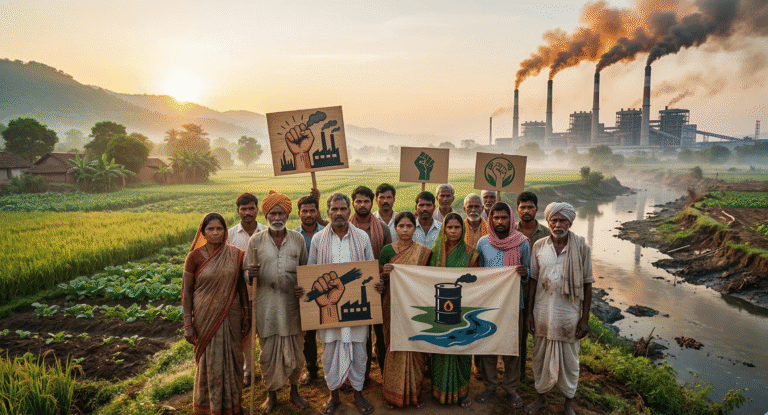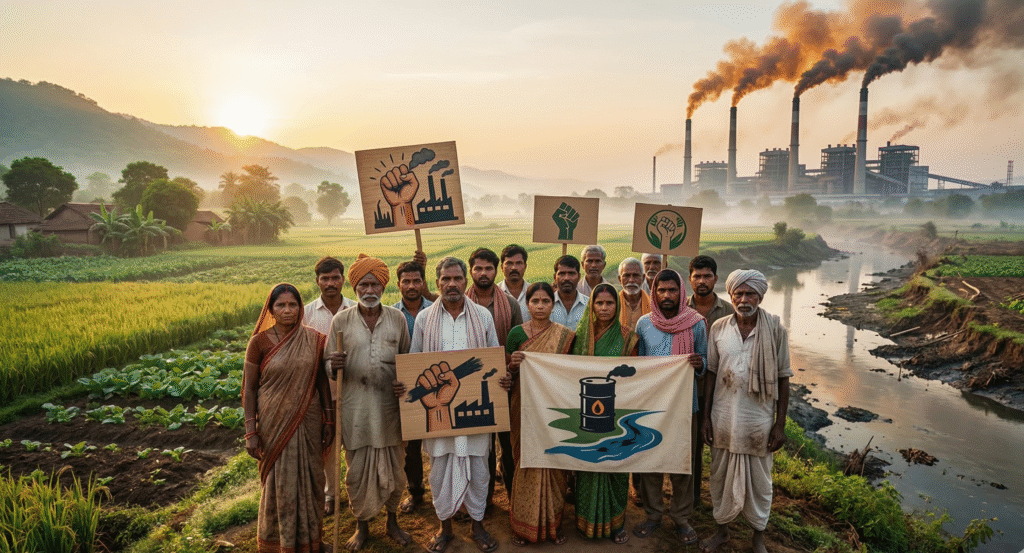
Global environmental and health risks continue to grow. Climate change, biodiversity loss, pollution, and toxic exposure are affecting communities worldwide. A new international briefing now urges governments to introduce stronger rules to hold corporations accountable for their environmental and social impact.
Experts behind the report argue that voluntary sustainability commitments are no longer enough. Businesses must follow clear legal responsibilities that protect both people and the planet.
Key Highlights of the New Report
Several international organizations, including FIAN International and Center for International Environmental Law, released a briefing titled Time to Act: Securing a Sustainable Future Through Corporate Accountability on March 11, 2026.
The report calls on governments to convert the global right to a clean and healthy environment into enforceable legal duties. It also encourages companies to take direct responsibility for the environmental and social effects of their operations.
The organizations published the briefing in English, French, and Spanish to reach a wider international audience.
Why the UN Treaty Matters
The report highlights the importance of the proposed UN Binding Treaty on Business and Human Rights. Experts believe this treaty could strengthen global oversight of corporate behavior.
The treaty aims to create clear legal obligations for companies that operate across borders. It also seeks to improve access to justice for communities affected by corporate environmental damage or human rights violations.
Negotiations on the treaty are ongoing. During discussions in October 2025, governments explored stronger corporate liability rules and better protection for victims.
Gaps in Current Corporate Responsibility Frameworks
The report also highlights an imbalance in the global economic system. Multinational corporations often receive strong protections through international trade agreements. However, communities affected by corporate activities rarely receive the same level of protection.
Over the years, global frameworks have encouraged responsible business conduct. One example is the UN Guiding Principles on Business and Human Rights introduced by the United Nations.
These principles provide guidance for companies and governments. However, they rely on voluntary action. Because they are not legally binding, enforcement often remains weak.
A Call for Stronger Global Action
The organizations behind the report believe the world has reached a critical moment. Environmental damage and public health risks continue to rise. Stronger global rules could help close the accountability gap.
Supporters say binding international standards would encourage responsible corporate practices. At the same time, they would give affected communities a clearer path to justice.
About The Author