Heat Stress Is Emerging as a Major Agricultural Risk
Heatwaves are no longer isolated climate events. Across multiple continents, rising temperatures are reshaping farming calendars and crop choices. According to recent climate observations, prolonged heat stress now affects planting cycles, flowering stages, and harvest timelines.
Agricultural regions that once relied on stable seasonal patterns now face frequent disruptions. As a result, farmers increasingly view heat adaptation as a core production challenge rather than a future concern.
For broader climate context, readers may explore Climate Change and the Renewable Energy Transition.
Crop Yields Face Direct Impact
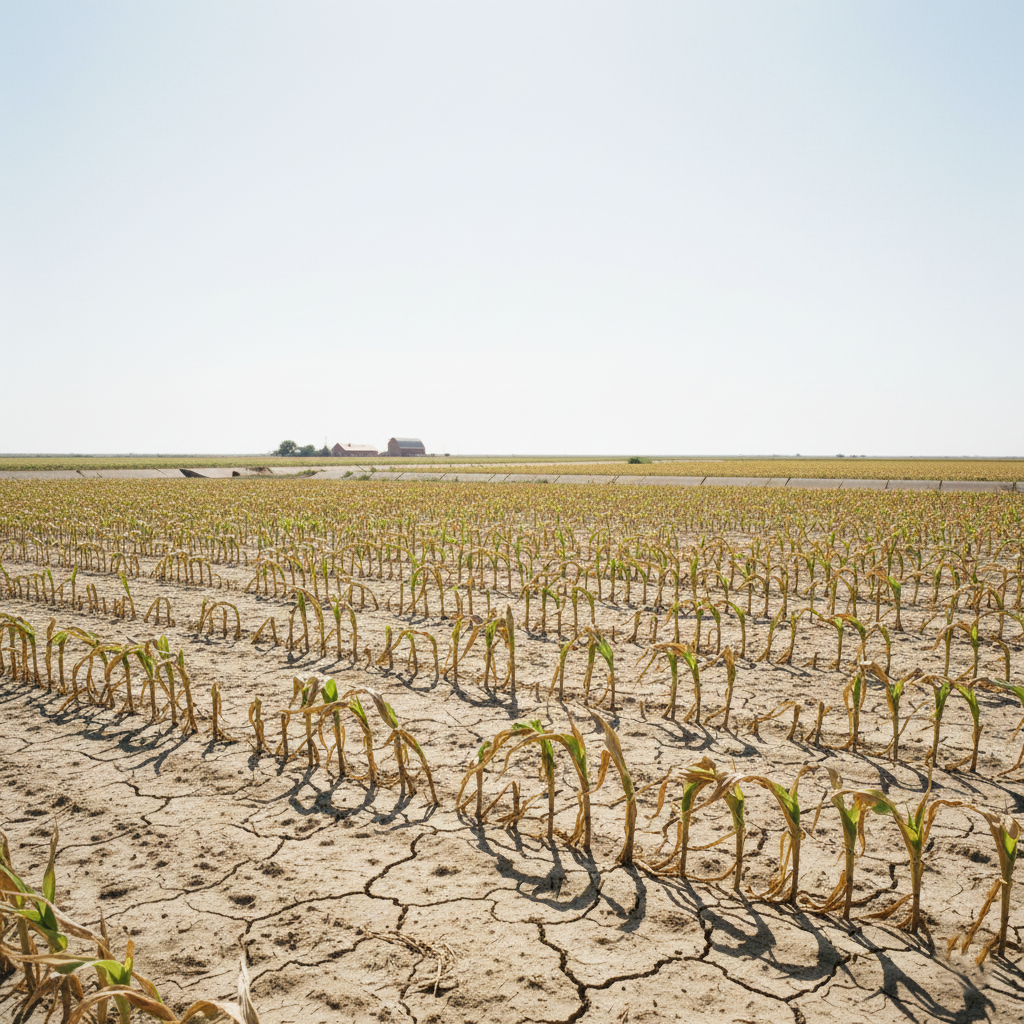
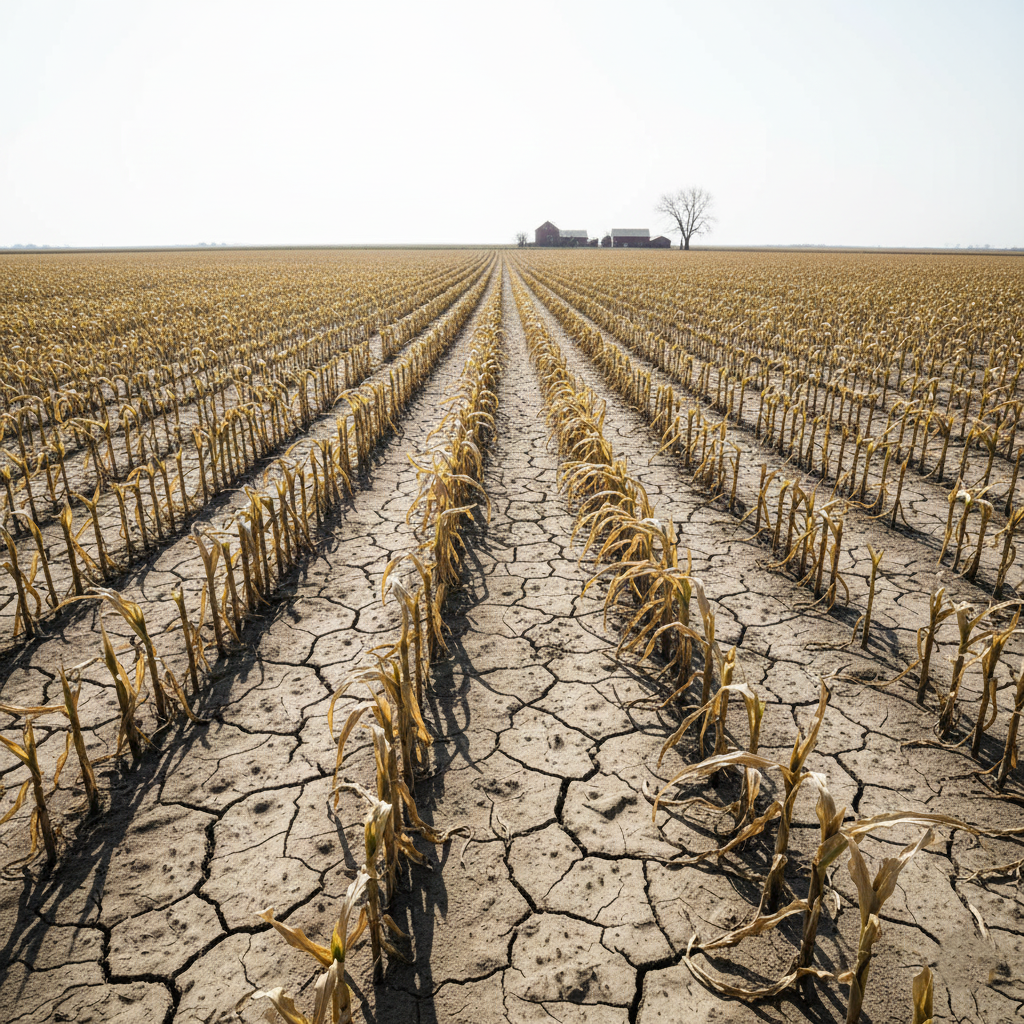
Extreme heat reduces crop productivity by accelerating evaporation, stressing plant metabolism, and increasing water demand. Staple crops such as wheat, rice, and maize show declining yield stability when temperatures exceed optimal thresholds during critical growth stages.
Moreover, heat stress often coincides with water scarcity, compounding the risk. This dual pressure threatens both food availability and farm income, especially in rain-fed agricultural zones.
Farmers Adjust Planting and Crop Selection
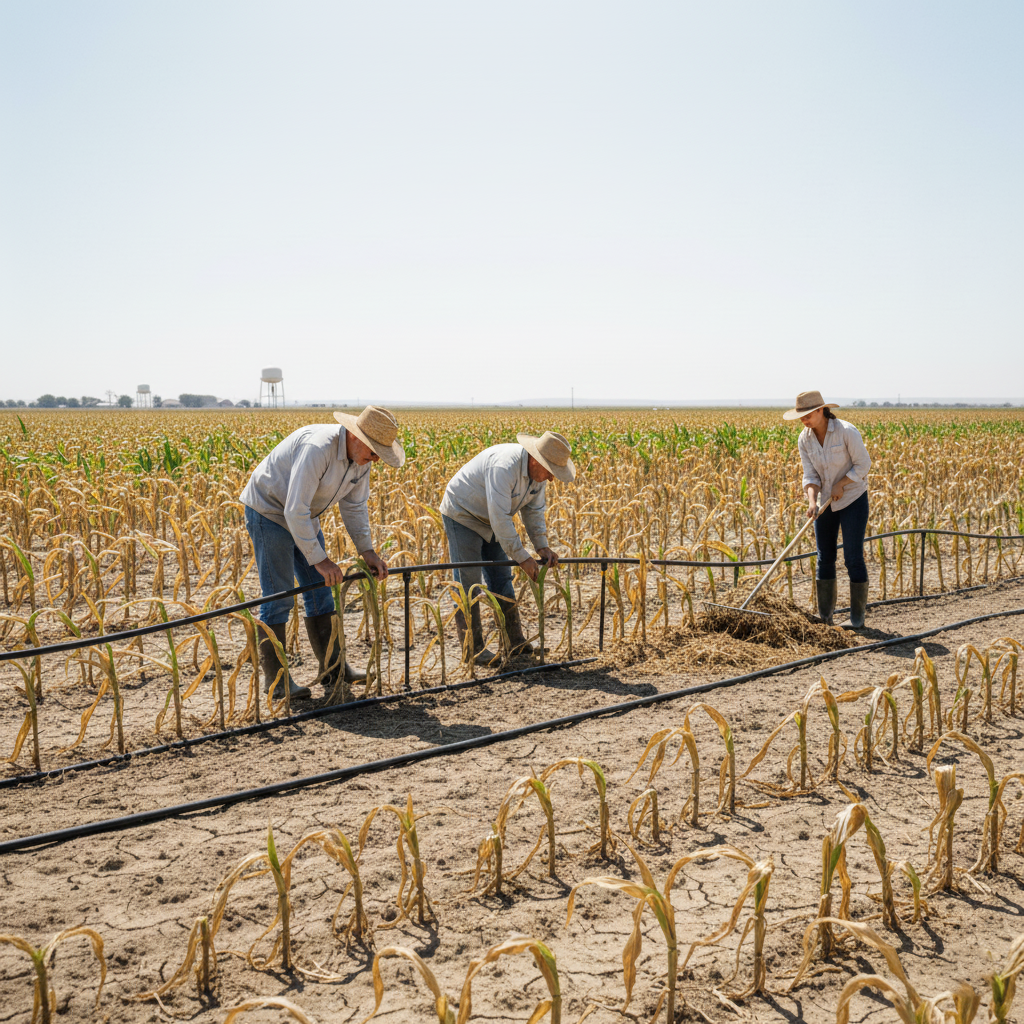
To cope with rising temperatures, farmers are shifting sowing dates and experimenting with heat-tolerant crop varieties. In some regions, traditional crops are being replaced by alternatives better suited to warmer conditions.
These adjustments require local knowledge, access to climate data, and long-term planning. Without timely adaptation, repeated heat exposure can degrade soil quality and reduce land productivity over time.
Policy and Research Drive Adaptation Efforts
Governments and research institutions increasingly prioritize heat resilience in agriculture. Climate-responsive policies now support improved forecasting tools, adaptive crop research, and risk-reduction strategies.
As discussed in Hidden Rainfall Origins Reshape Global Farming Strategies, understanding climate patterns plays a key role in shaping effective agricultural decisions.
Long-Term Implications for Food Systems
Heatwaves will likely remain a persistent challenge as global temperatures continue to rise. Farming systems that adapt early can reduce losses and stabilize output. However, delayed response increases vulnerability across entire food supply chains.
Experts agree that future agricultural planning must integrate climate signals into everyday decision-making. Heat resilience, therefore, becomes essential for maintaining food security under changing environmental conditions.
About The Author