Soil Degradation and Food Security
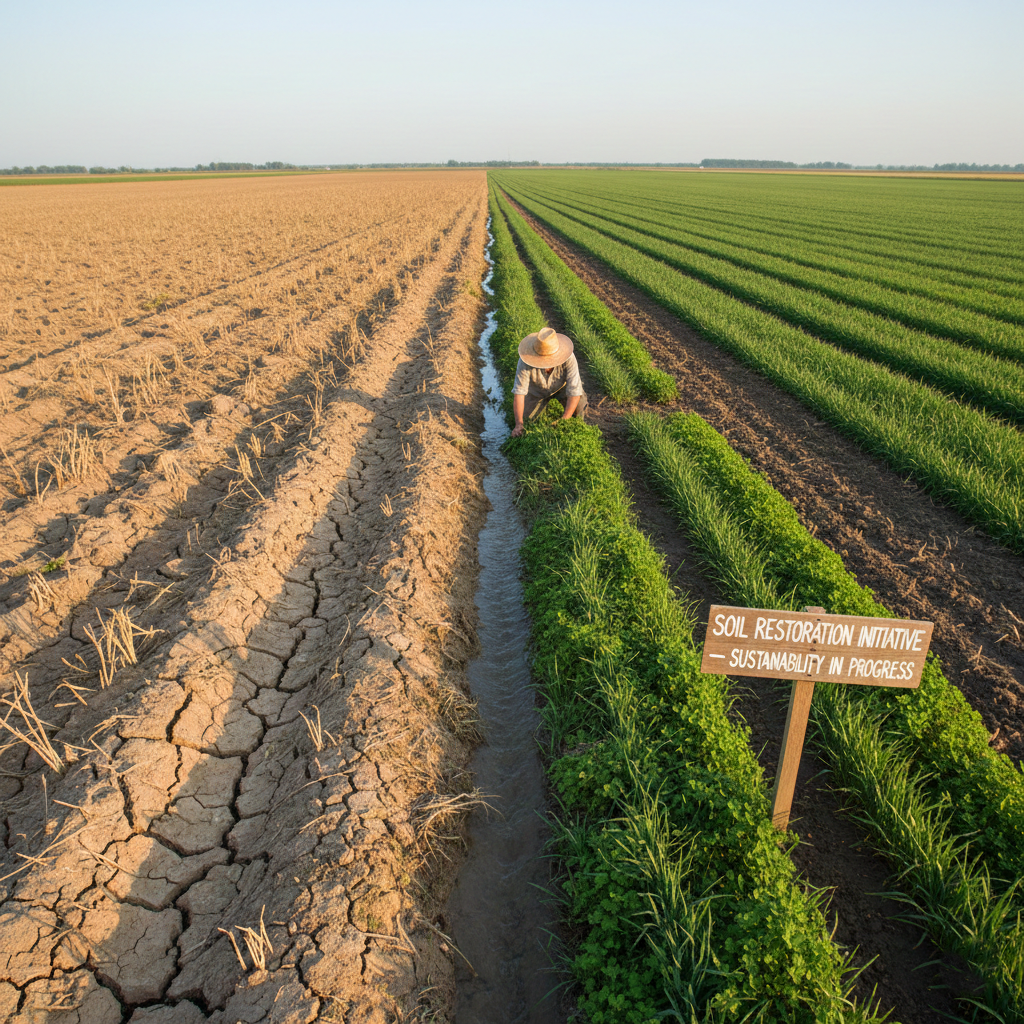
Soil degradation is quietly becoming one of the biggest threats to global food security. Across continents, fertile land is losing its productivity due to erosion, nutrient depletion, chemical overuse, and unsustainable farming practices. According to international agricultural agencies, nearly one third of the world’s arable land is already degraded, directly affecting crop yields and farmer livelihoods.
As the global population continues to rise, the pressure on agricultural land is increasing. Yet, instead of producing more food, degraded soils are delivering less, creating a growing gap between food demand and supply.
How Soil Degradation Impacts Global Agriculture
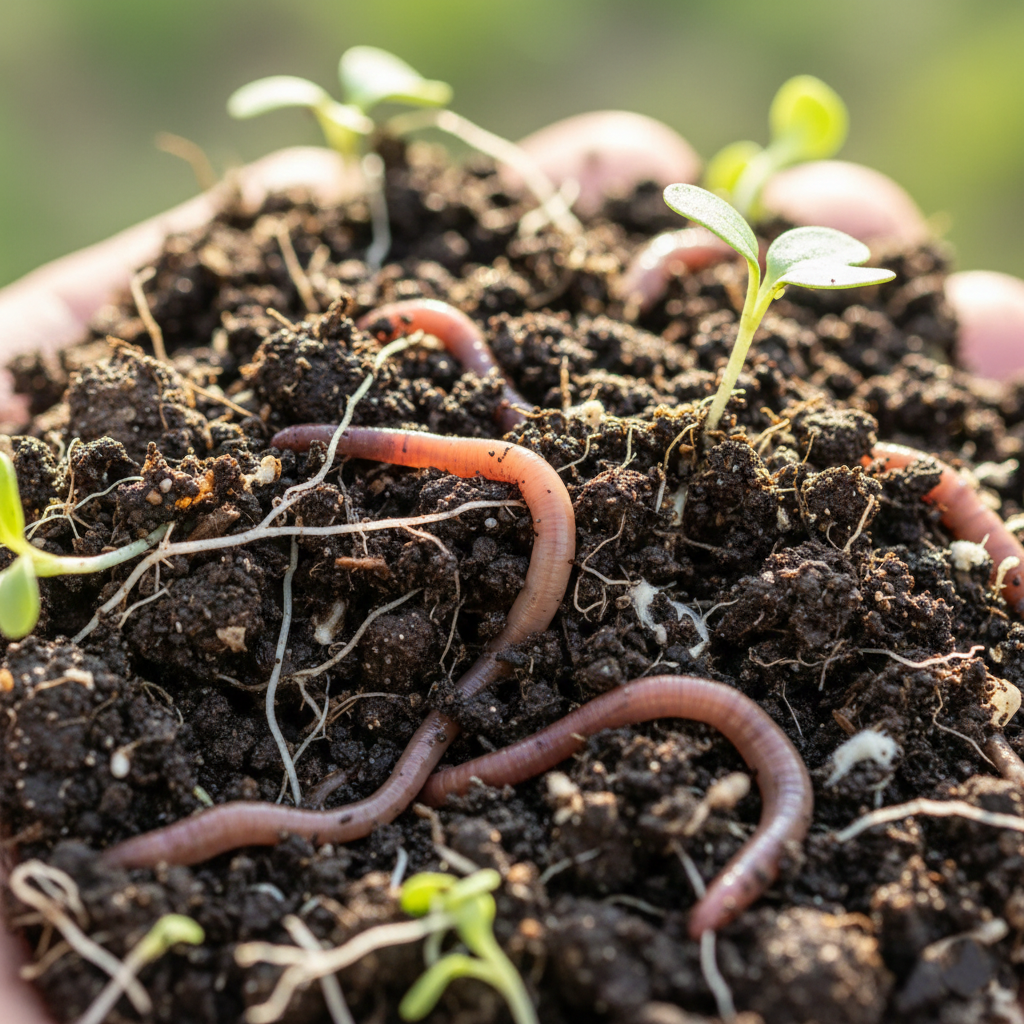
Healthy soil is the foundation of sustainable farming. When soil structure weakens, its ability to retain water, nutrients, and beneficial microorganisms declines. This leads to lower crop productivity, higher dependency on chemical fertilizers, and increased vulnerability to droughts and floods.
In many regions, farmers are forced to invest more money into inputs just to maintain previous yield levels. Over time, this cycle reduces profitability and accelerates land degradation, pushing farms toward long-term instability.
The Economic Cost of Declining Soil Health
The economic impact of soil degradation is immense. Experts estimate that degraded land costs the global economy billions of dollars every year through reduced agricultural output, rising food prices, and loss of ecosystem services.
For small and marginal farmers, the consequences are even more severe. Declining soil fertility often means lower income, higher debt, and increased risk of abandoning farming altogether. This makes soil conservation not only an environmental priority but also a social and economic necessity.
Sustainable Farming as a Solution
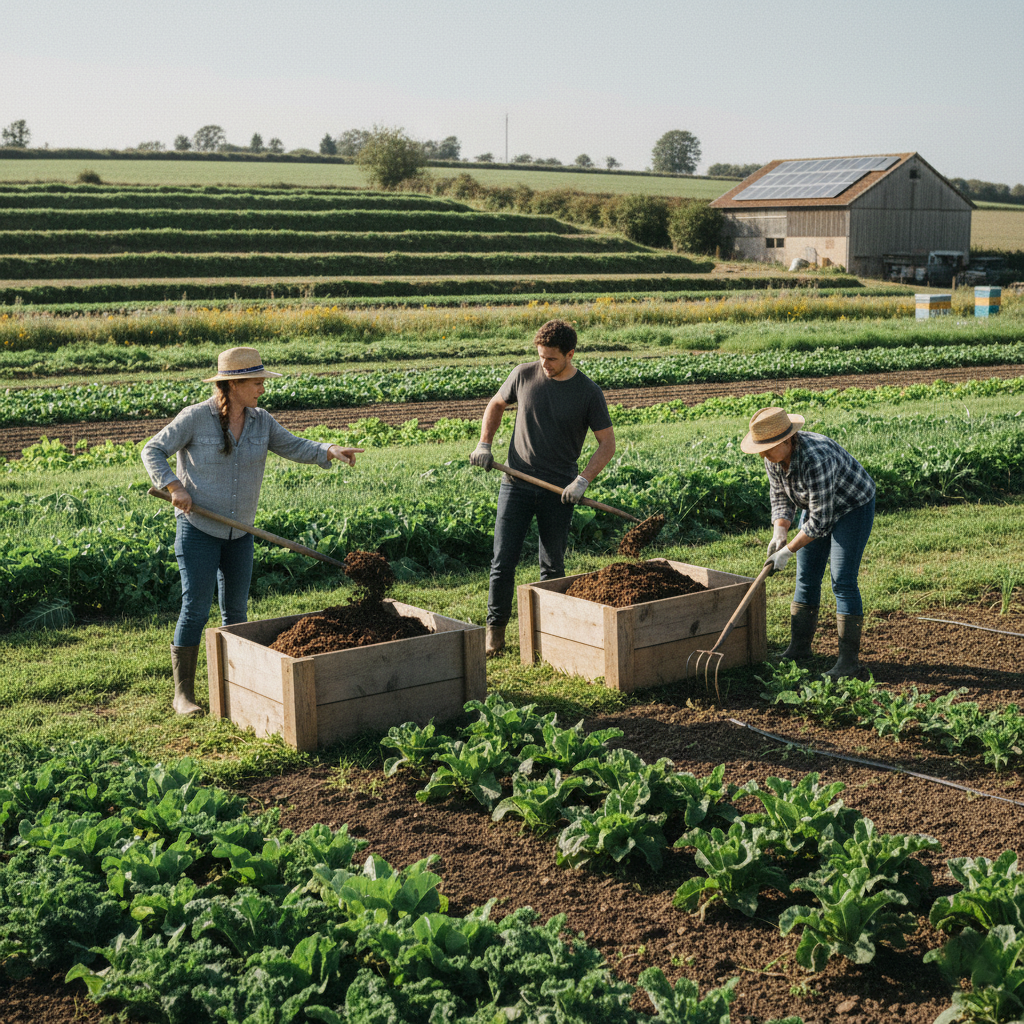
To reverse this trend, agricultural experts emphasize the adoption of structured and science-backed farming approaches. Practices such as crop rotation, organic matter enrichment, reduced tillage, and balanced nutrient management have proven effective in restoring soil health.
This is where Sustainable Agriculture Standards play a critical role. These standards provide farmers with a clear framework of responsible farming practices designed to protect soil resources while ensuring long-term productivity.
Rather than focusing on short-term yield maximization, Sustainable Agriculture Standards encourage a balanced approach that supports soil regeneration, water conservation, and biodiversity.
Why Sustainable Agriculture Standards Matter
Globally recognized Sustainable Agriculture Standards act as practical benchmarks for farmers, agribusinesses, and policymakers. They outline how farms can maintain soil fertility, reduce environmental harm, and improve resilience against climate-related risks.
By following these standards, farmers are better equipped to:
- Maintain consistent yields over time
- Reduce dependency on excessive chemical inputs
- Improve soil structure and nutrient cycles
- Access sustainability-focused markets and certifications
Organizations like the Global Sustainability Impact Foundation (GSIF) work to promote these standards through training programs and certification systems, helping farmers transition toward more sustainable and profitable farming models.
A Global Call for Action
Addressing soil degradation requires coordinated action from governments, agricultural institutions, and farming communities. Awareness, education, and adoption of sustainable frameworks are essential to protect the planet’s most valuable agricultural resource.
As global food systems face increasing pressure, restoring soil health is no longer optional. Sustainable Agriculture Standards offer a roadmap for responsible farming that supports food security, farmer livelihoods, and environmental balance.
For more information visit at GSI FOUNDATION
About The Author