Why Farming Practices Are Being Re-Evaluated
For generations, traditional farming methods have supported global food production. However, changing climate conditions, declining soil health, and rising input costs are forcing a serious re-evaluation of how farming operates today. As a result, farmers and policymakers are increasingly comparing conventional approaches with sustainability-driven frameworks.
This shift has brought Sustainable Agriculture Standards, or SAS, into focus as a modern alternative that addresses long-term challenges without compromising productivity.
Understanding Traditional Farming Practices
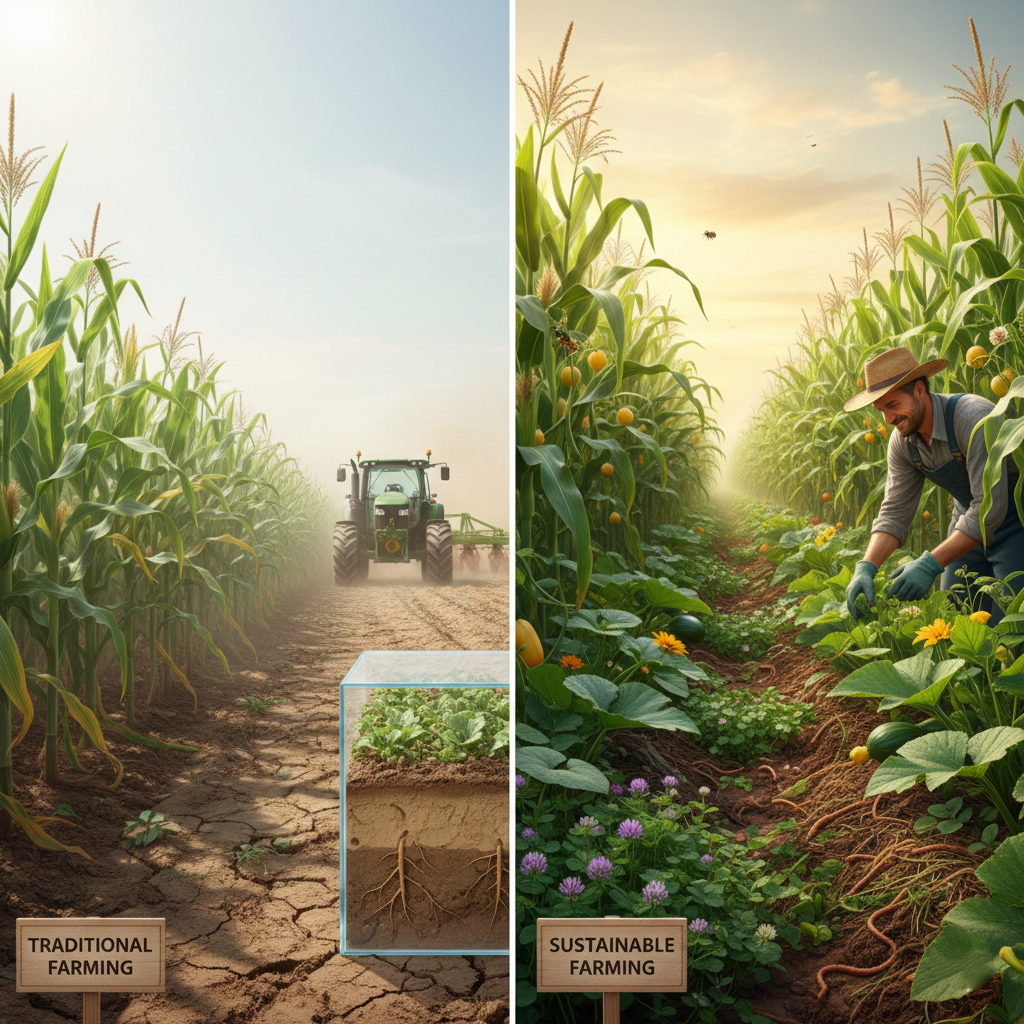
Traditional farming largely focuses on maximizing yield through intensive input use. Chemical fertilizers, frequent tillage, and heavy irrigation often drive short-term productivity. In many cases, these methods deliver immediate results.
However, over time, such practices can weaken soil structure, reduce water retention, and increase dependency on external inputs. As climate risks grow, these vulnerabilities become more visible and harder to manage.
How Sustainable Agriculture Standards Take a Different Approach
Sustainable Agriculture Standards shift the focus from short-term output to long-term farm health. Instead of pushing soil and water resources to their limits, SAS encourages balance, efficiency, and regeneration.
Under this framework, farming decisions consider soil fertility, water availability, ecosystem impact, and economic stability together. As a result, sustainability becomes part of daily farm management rather than an additional burden.
Key Differences Between SAS and Traditional Farming
While both systems aim to produce food, their priorities differ significantly.
- Traditional farming emphasizes immediate yield and speed of production
- SAS emphasizes long-term soil health, resource efficiency, and resilience
- Conventional methods rely heavily on external inputs
- SAS promotes optimized input use and natural regeneration
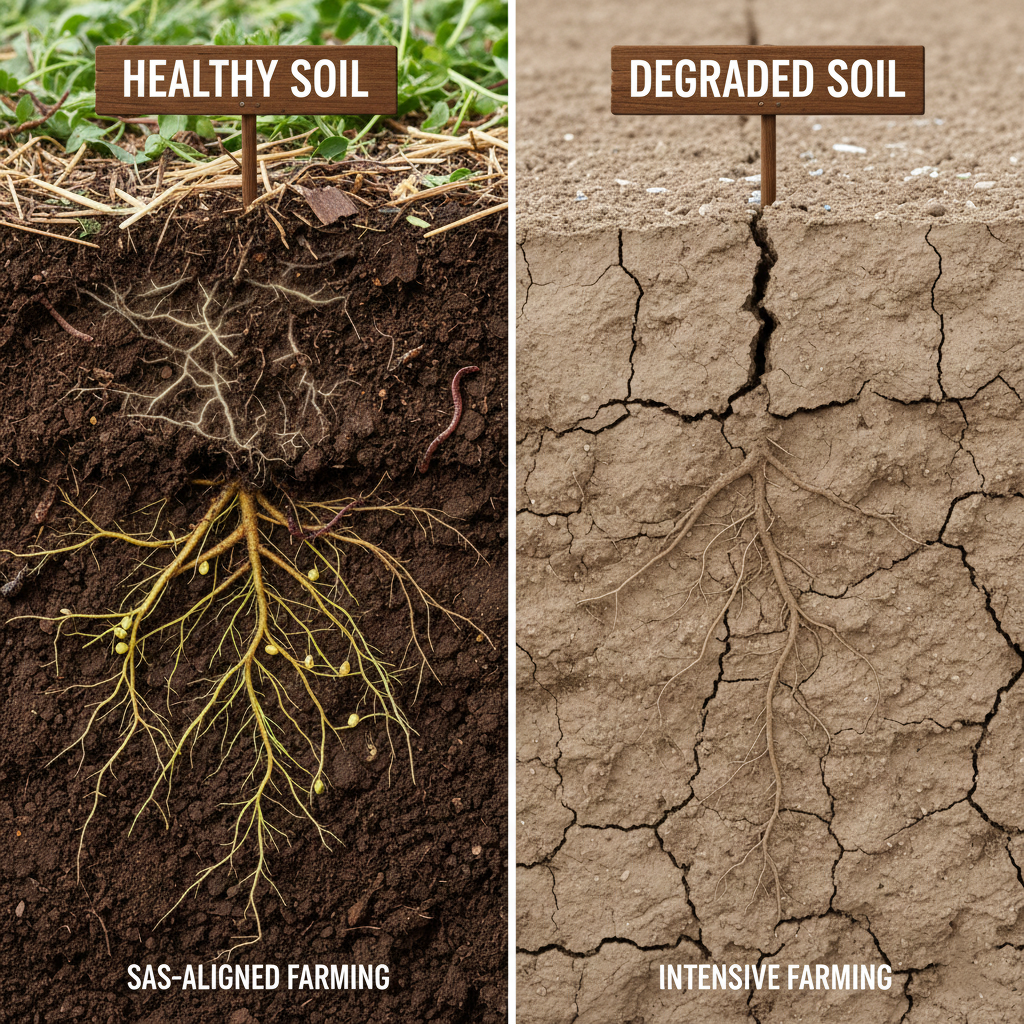
These differences explain why SAS-aligned farms often perform better over time, especially under climate stress.
Impact on Farmers and Farm Economics
Farmers who transition toward SAS-based practices often notice gradual but meaningful improvements. Healthier soil reduces fertilizer needs. Better water management lowers irrigation costs. Improved resilience reduces crop loss during extreme weather events.
Although traditional farming may appear simpler initially, SAS provides stability and predictability over the long term. This balance becomes especially important for small and medium-scale farmers.
Certification Strengthens the SAS Advantage
Certification plays a critical role in distinguishing SAS from informal sustainability claims. Certified farms follow clearly defined benchmarks and undergo regular assessments. This process builds trust with buyers, regulators, and consumers.
The Global Sustainability Impact Foundation (GSIF) supports this transition by offering certification and training aligned with Sustainable Agriculture Standards. Through this approach, farmers gain both technical guidance and market credibility.
Choosing the Future of Farming
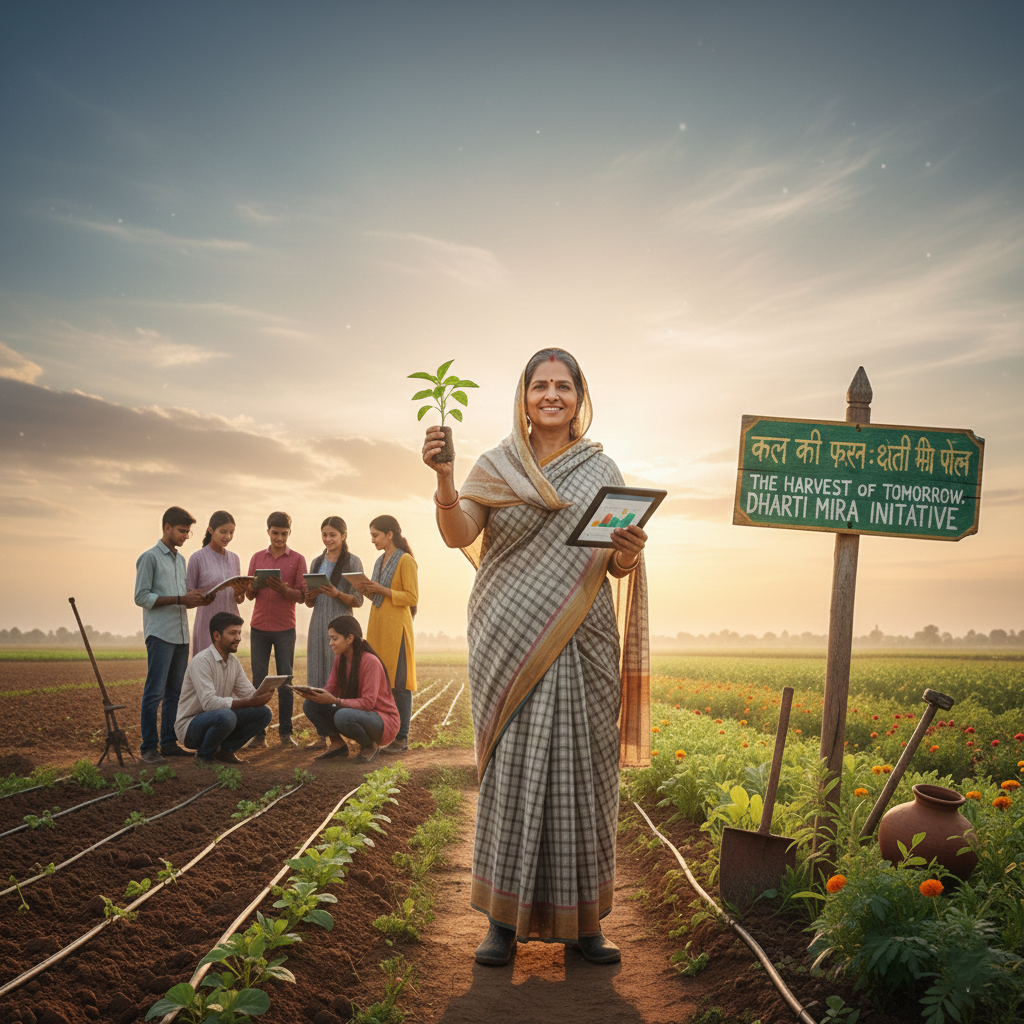
As agriculture faces increasing pressure, the choice between traditional methods and structured sustainability frameworks becomes clearer. Traditional farming alone struggles to address climate risk, soil degradation, and water scarcity.
Sustainable Agriculture Standards offer a forward-looking path. By combining productivity with responsibility, SAS supports farming systems that can feed growing populations while protecting natural resources.
About The Author