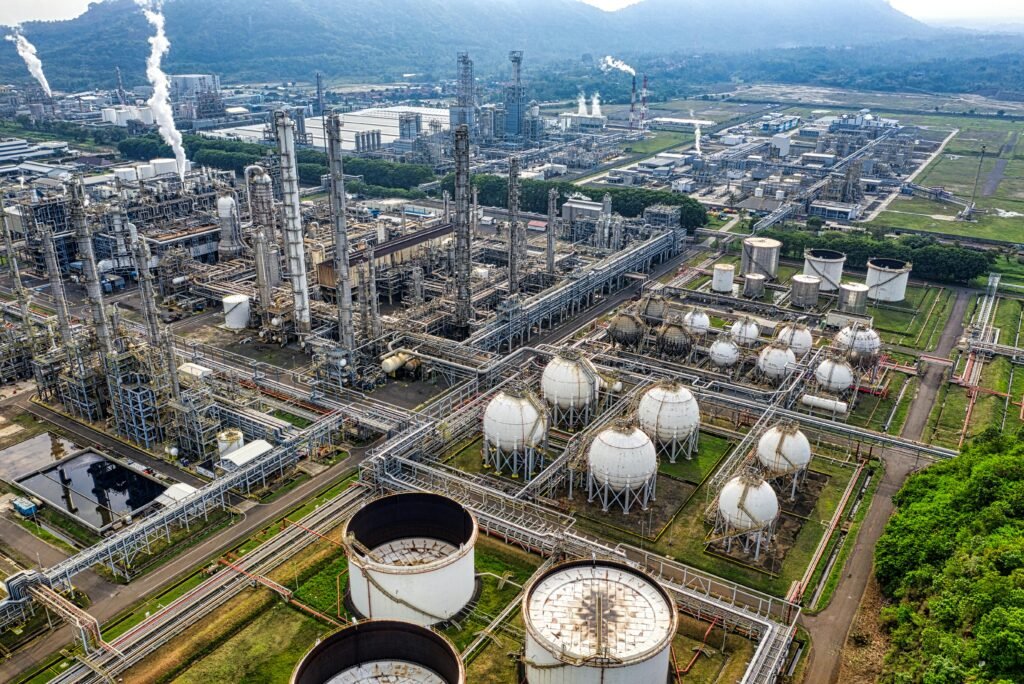
United Nations Secretary-General António Guterres has called on world leaders to redesign global economic systems, warning that current models continue to damage the environment and threaten long-term stability. He said governments still reward economic activities that degrade forests, oceans, and ecosystems, pushing the planet closer to crisis.
Guterres stressed that economic policies must stop prioritizing growth at the cost of nature. He noted that deforestation, overfishing, and excessive resource use still contribute positively to economic figures, even as they weaken the foundations of life on Earth.
GDP Fails to Measure True Progress
Guterres argued that gross domestic product no longer reflects real progress. He explained that GDP treats environmental destruction as economic success while ignoring climate damage, biodiversity loss, and social inequality.
He urged countries to adopt new measures of progress that account for environmental health, human well-being, and social fairness. According to him, these changes are essential to address climate change, pollution, and the accelerating loss of biodiversity.
United Nations Advances Beyond GDP Agenda
To support this shift, the United Nations organized a high-level conference titled Beyond GDP in Geneva in January 2026. The event brought together leading global economists, including Nobel laureate Joseph Stiglitz, along with Kaushik Basu and Nora Lustig.
Participants focused on designing economic frameworks that balance development with sustainability and equity. They also discussed how recent crises, such as pandemics and financial disruptions, revealed the weaknesses of economic systems that focus narrowly on growth.
Economists Call Attention to Social Inequality
Kaushik Basu criticized the global race to increase GDP rankings, saying it pushes governments to compete rather than improve citizens’ lives. He warned that this approach often increases inequality and weakens social trust.
Nora Lustig highlighted that GDP fails to capture poverty, human rights concerns, and unequal access to opportunity. She said policymakers should treat GDP as one indicator among many, not as the primary measure of national success.
These arguments continue to shape global discussions on sustainable development, green growth, and economic models that place people and the planet at the center of policy decisions.
About The Author