India’s Union Budget 2026 has drawn positive reactions from sustainability and climate experts, who see it as a balanced attempt to align economic growth with long-term environmental goals. The budget places strong emphasis on clean energy, low-carbon industrial development, and climate resilience across key sectors.
Major Sustainability Initiatives Announced
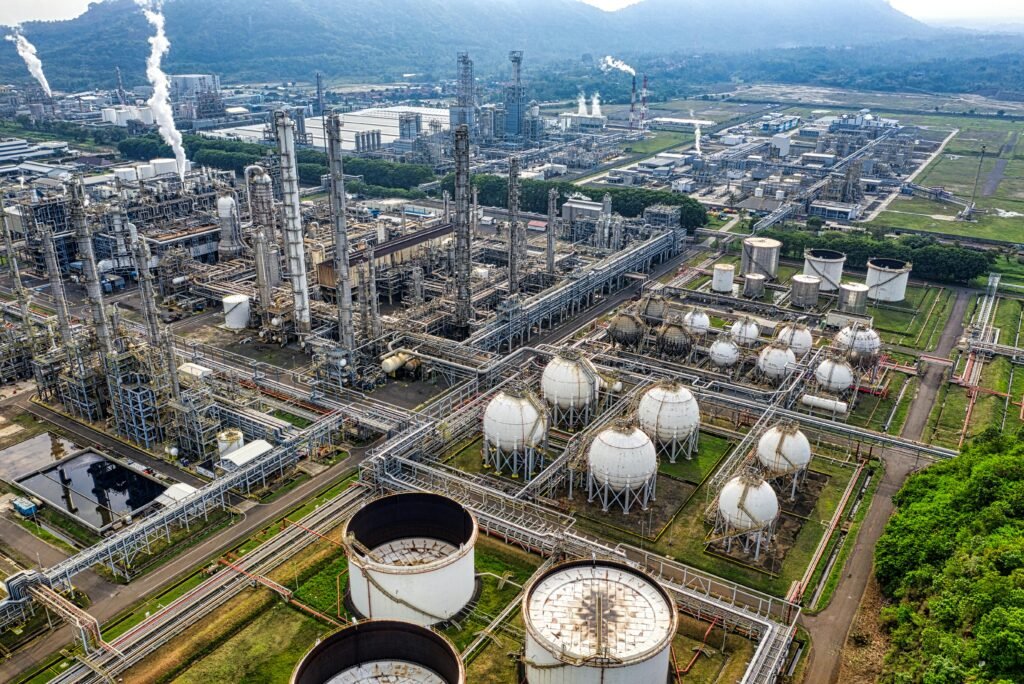
A significant highlight of the budget is the allocation of nearly ₹20,000 crore over five years for Carbon Capture, Utilisation, and Storage. This funding is aimed at reducing emissions in hard-to-abate industries such as steel, cement, and thermal power generation.
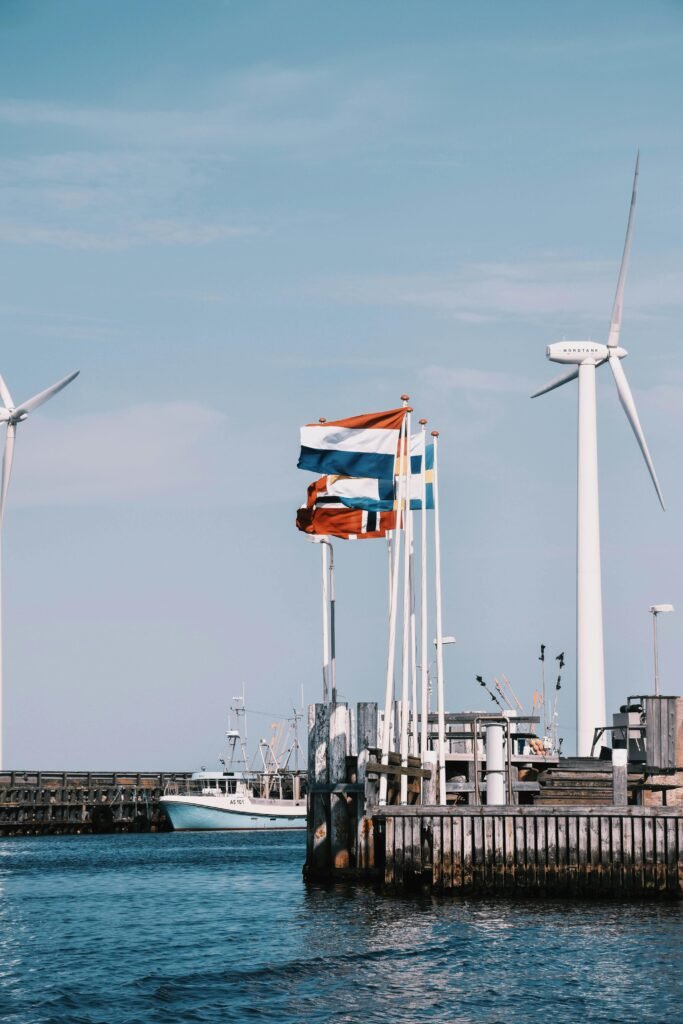
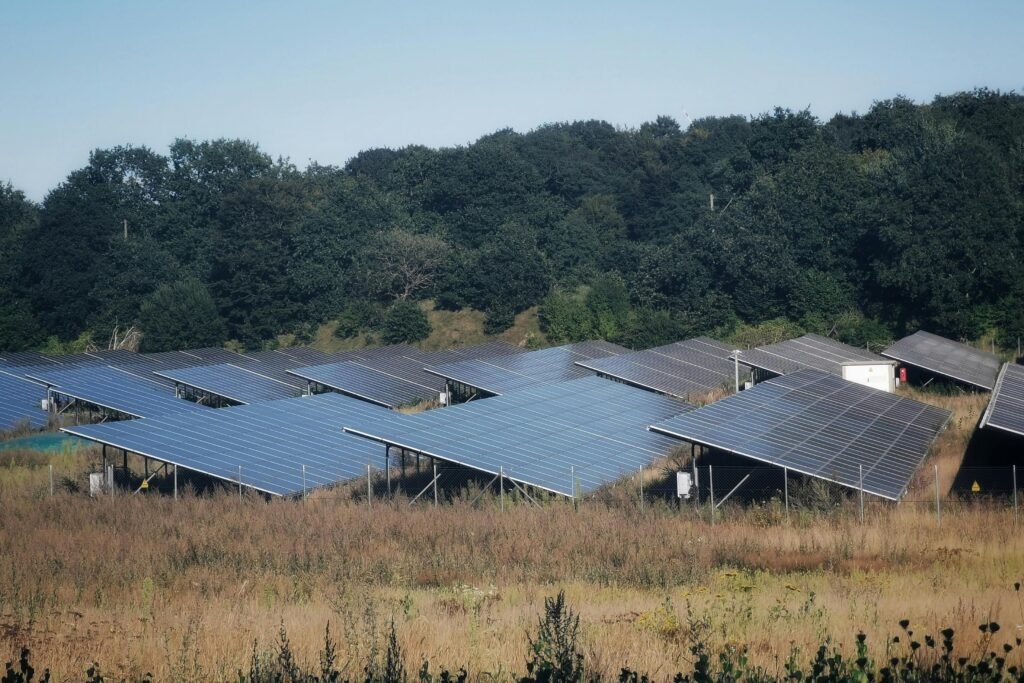
Spending on renewable energy has also seen a sharp rise, reaching approximately ₹32,914 crore. The increased funding will support large-scale solar parks, strengthen power grids, and expand battery storage capacity. The budget further prioritizes critical mineral processing, climate-resilient MSMEs, and the use of artificial intelligence to improve farming efficiency and water management.
Experts Welcome Climate-Aligned Vision
Policy experts from The Energy and Resources Institute have described the budget as a strong foundation for climate-aligned economic growth. They highlighted the focus on clean technology manufacturing and decentralized renewable energy for rural areas.
World Resources Institute India’s Ulka Kelkar welcomed the measures supporting MSMEs, noting that small businesses are among the most vulnerable to climate risks such as floods and heatwaves. Industry specialists from the solar sector also underlined the importance of solar energy in India’s energy transition, pointing to manufacturing incentives and customs duty relief as positive steps.
While the response has been largely optimistic, experts emphasized that the real impact of these measures will depend on timely implementation and effective coordination between central and state agencies.
Sustainability groups such as GSIF note that coordinated public investment plays a critical role in scaling clean technologies and accelerating global climate transitions.
About The Author