Water-Efficient Farming and Global Sustainability
Water scarcity is no longer a regional issue. It has become a global challenge reshaping how food is grown, distributed, and sustained. With climate change intensifying droughts, erratic rainfall, and groundwater depletion, agriculture is facing increasing pressure to produce more food using significantly less water.
According to global water studies, agriculture consumes nearly 70 percent of the world’s freshwater resources. As water availability declines, inefficient farming practices are proving unsustainable, making water-efficient farming a necessity rather than a choice.
The Growing Pressure on Global Water Resources
Rising temperatures and unpredictable weather patterns are reducing natural water reserves across many agricultural regions. Rivers are drying earlier than expected, groundwater levels are falling, and rainfall cycles are becoming unreliable. These changes directly impact crop productivity and farmer livelihoods.
In many countries, farmers are already experiencing reduced irrigation access during critical crop growth stages. This not only lowers yields but also increases production costs and food prices, affecting both rural and urban populations.
How Water Inefficiency Affects Agriculture
Traditional irrigation methods often result in excessive water loss through evaporation, runoff, and uneven distribution. This inefficiency weakens soil structure, washes away nutrients, and increases dependence on external inputs.
Over time, farms using poor water management practices face declining productivity and higher vulnerability to droughts. Without intervention, water stress could significantly reduce global food output in the coming decades.
Water-Efficient Farming Practices Gaining Momentum
To address these challenges, farmers and policymakers are increasingly adopting water-efficient farming techniques. These practices focus on maximizing crop output while minimizing water consumption.
Some widely adopted approaches include:
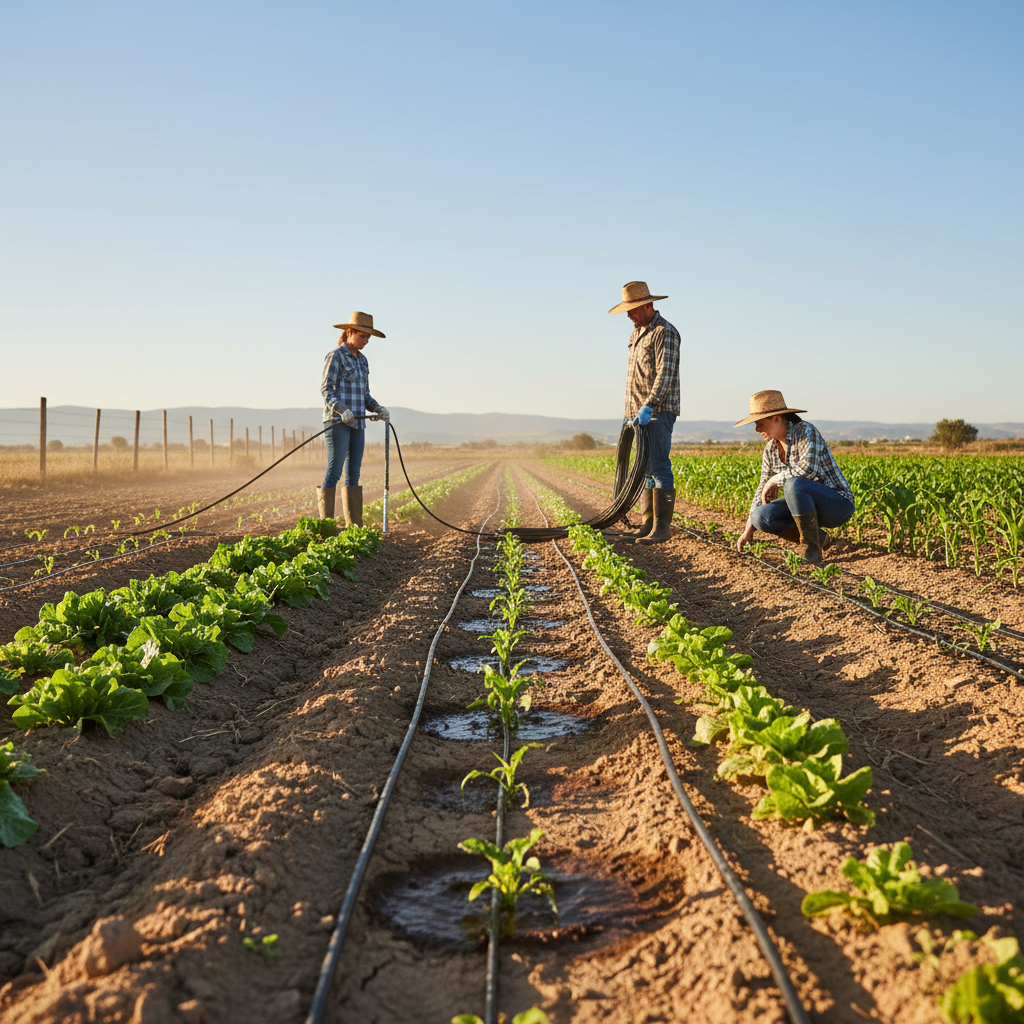
- Drip and micro-irrigation systems that deliver water directly to plant roots
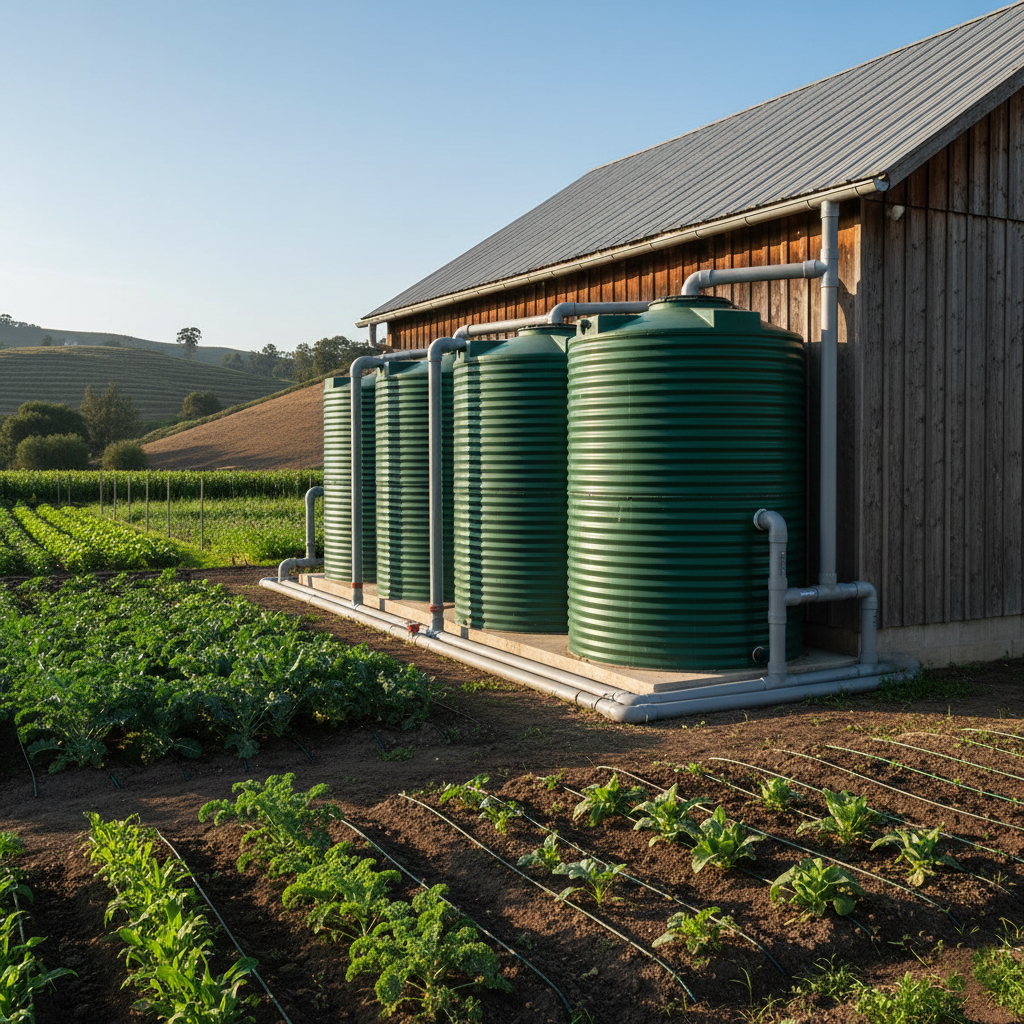
- Rainwater harvesting and on-farm water storage
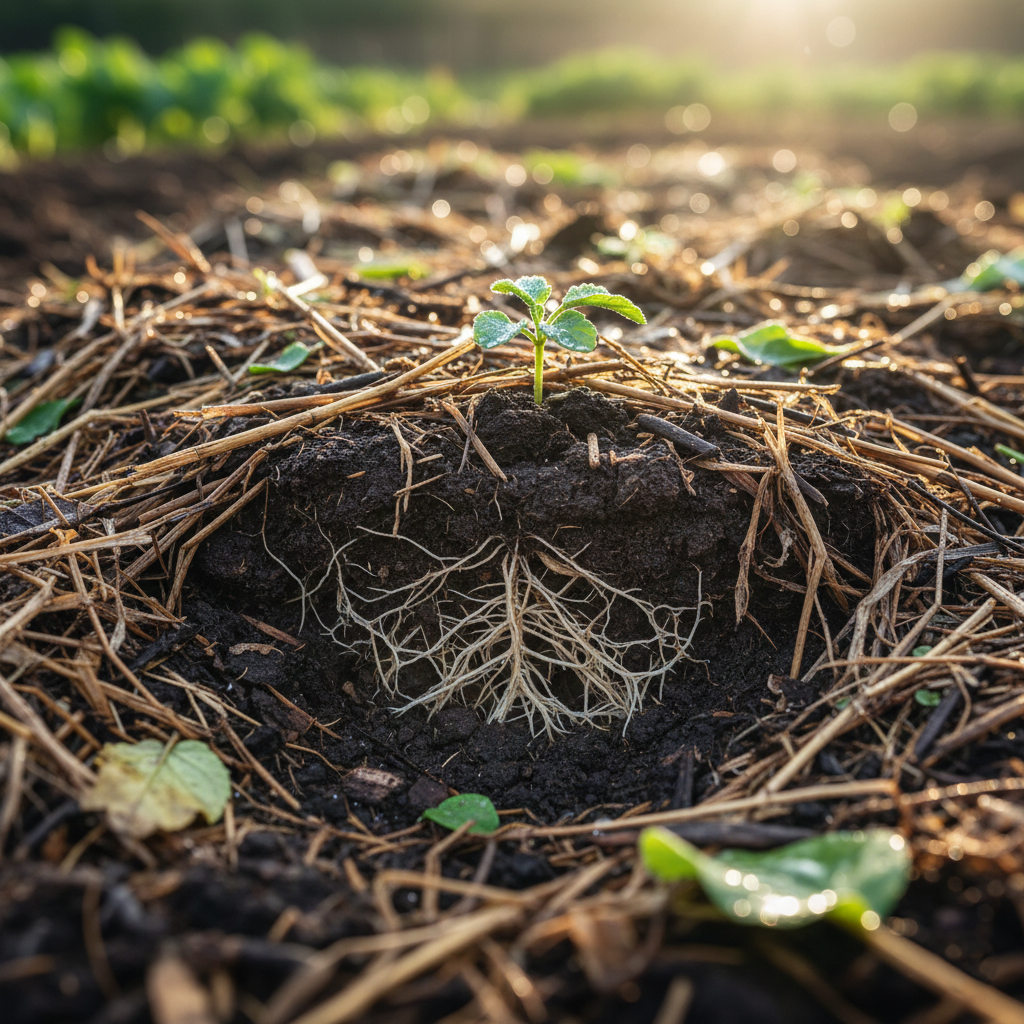
- Soil moisture management through organic matter and mulching
When applied correctly, these methods not only conserve water but also improve soil health and crop resilience.
The Role of Sustainable Agriculture Standards
While individual practices are important, long-term water sustainability requires a structured approach. This is where Sustainable Agriculture Standards become essential.
Sustainable Agriculture Standards provide clear guidelines on responsible water use, irrigation planning, and soil moisture conservation. Instead of isolated solutions, they promote integrated farm management that balances water efficiency with productivity and environmental protection.
By aligning farming operations with these standards, farmers can reduce water waste, protect local ecosystems, and ensure long-term access to water resources.
Training, Certification, and Long-Term Impact
Organizations such as the Global Sustainability Impact Foundation (GSIF) support the adoption of Sustainable Agriculture Standards through farmer training, assessment, and certification programs. These initiatives help farmers understand practical water-efficient techniques while also meeting sustainability expectations set by global markets and policymakers.
Certified farms often gain improved market credibility, better risk management, and stronger resilience against climate-related water stress.
For more information about GSIF visit their official site
A Global Shift Toward Responsible Water Use
As water scarcity intensifies, the future of agriculture will depend on how efficiently water is managed today. Governments, agricultural institutions, and farming communities must work together to promote awareness, education, and adoption of sustainable frameworks.
Water-efficient farming is no longer a technological upgrade. It is a fundamental requirement for food security, environmental stability, and the long-term survival of global agriculture.
About The Author