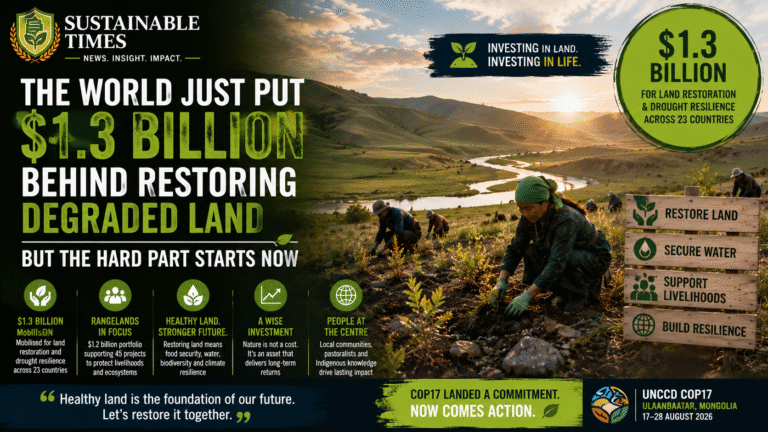
Soil Carbon and Climate Action
Soil has quietly emerged as one of the most powerful tools in the fight against climate change. Scientists and policymakers now recognize soil carbon as a critical factor in reducing atmospheric carbon levels while improving agricultural resilience. As climate strategies evolve, soil is no longer treated as a passive resource but as an active climate solution.
Across continents, soil carbon management has moved from research discussions into national and international climate planning.
How Soil Stores Carbon
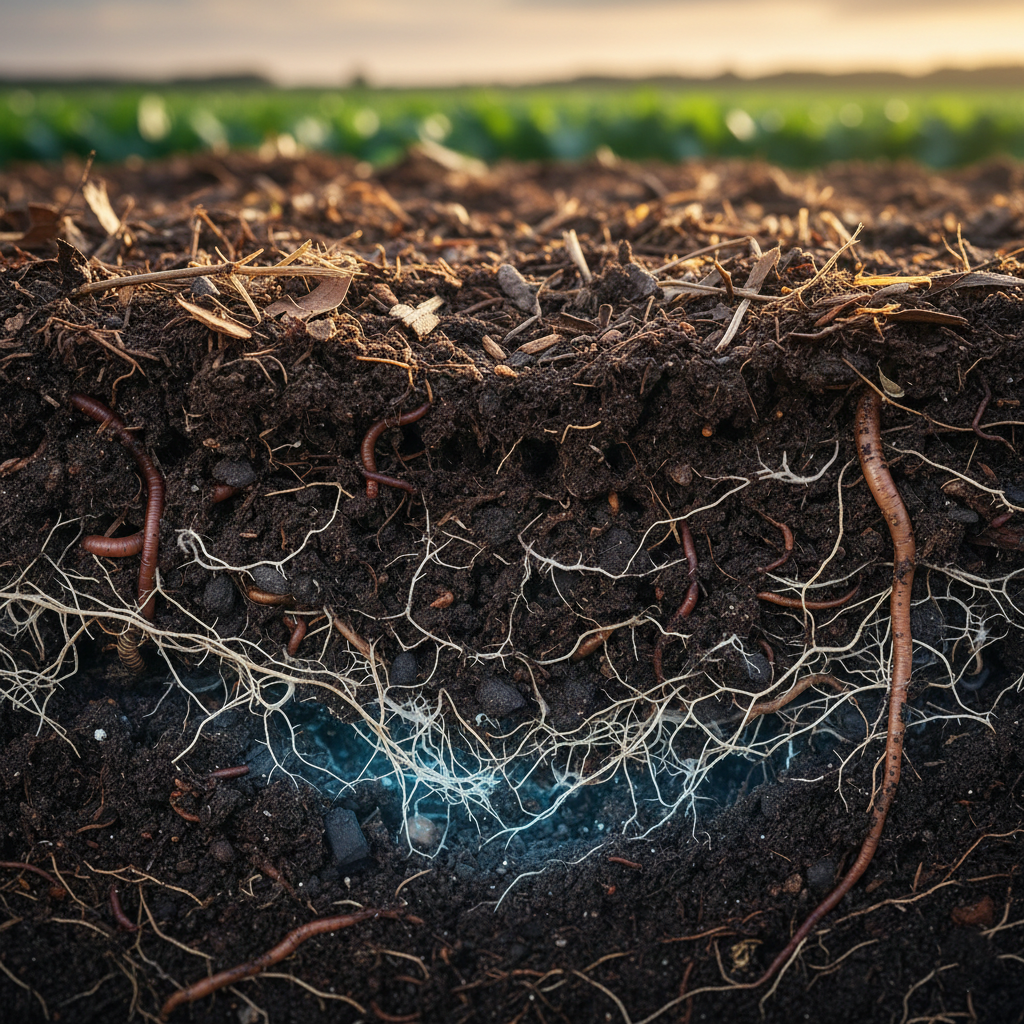
Plants absorb carbon dioxide from the atmosphere during photosynthesis. When plant residues and roots decompose, a portion of that carbon becomes stored in the soil. Healthy soils can hold large amounts of carbon for long periods, especially when erosion and excessive disturbance are reduced.
Because of this natural process, soil functions as a long-term carbon sink when managed responsibly.
Why Governments Are Paying Attention
Governments increasingly view soil carbon as a cost-effective climate tool. Unlike industrial carbon capture, soil-based solutions rely on natural processes already present in agricultural landscapes.
As a result, climate strategies now include:
- Incentives for soil conservation practices
- Support for reduced tillage and organic matter retention
These measures aim to strengthen both climate mitigation and food production.
Benefits Beyond Climate Mitigation
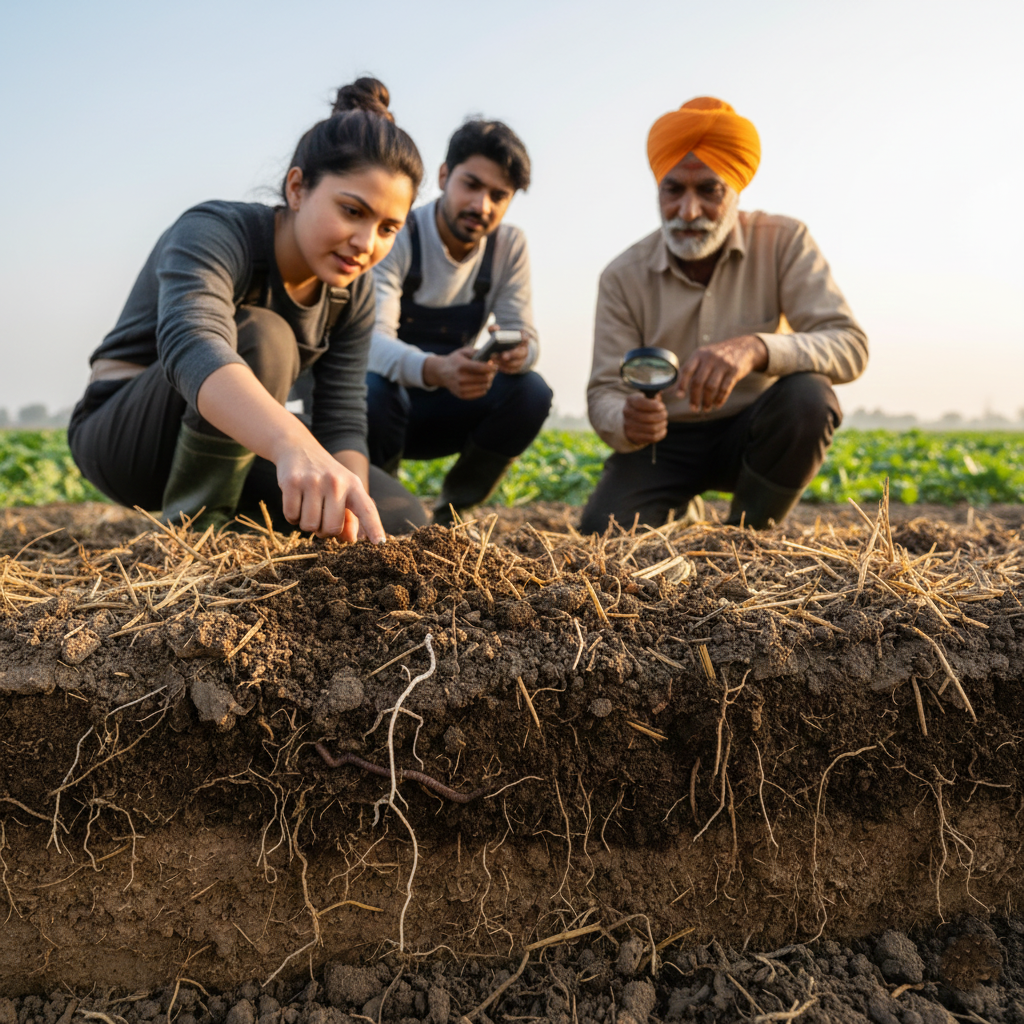
Soil carbon improves more than just emission balances. Higher carbon content enhances soil structure, increases water retention, and supports microbial life. Farmers often experience improved crop stability during droughts and heavy rainfall when soil health improves.
Because of these co-benefits, soil carbon strategies attract attention from both environmental and agricultural sectors.
Measurement and Transparency Challenges
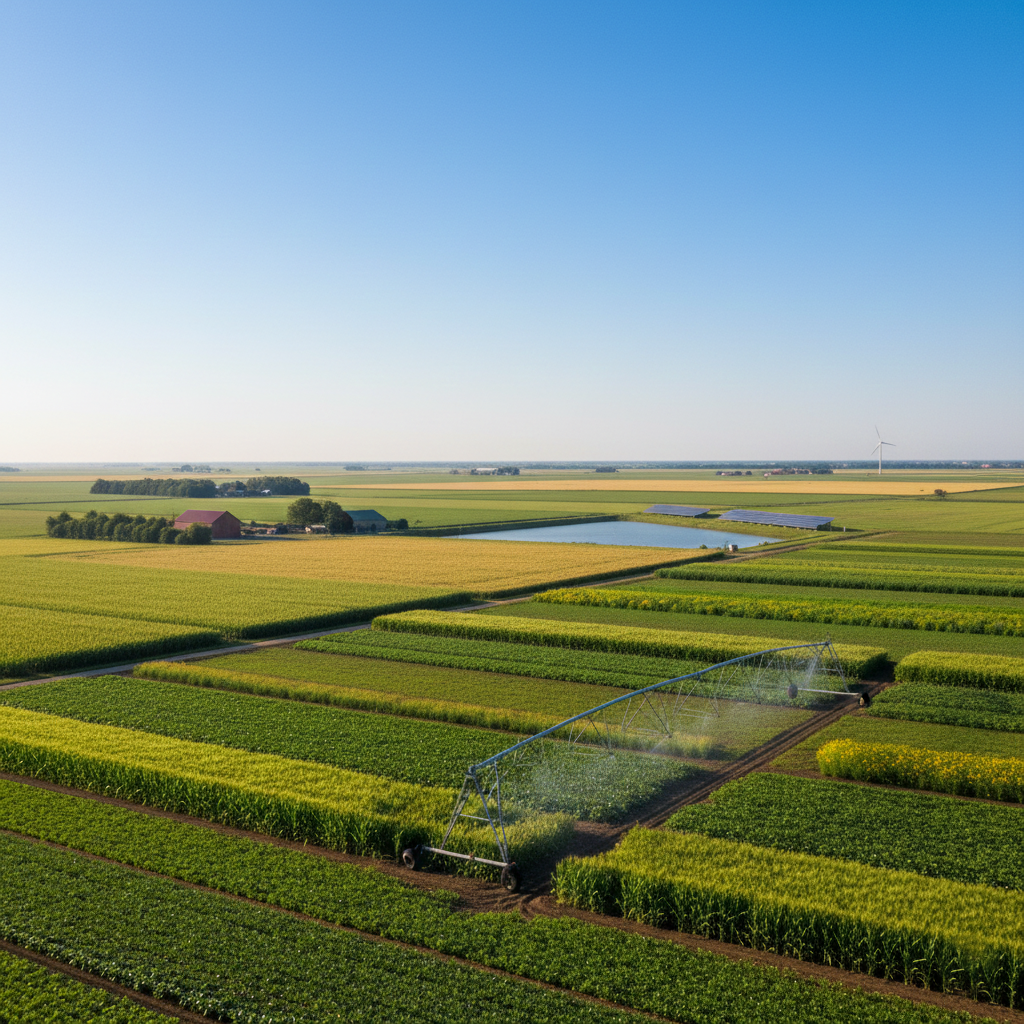
Despite its potential, soil carbon faces measurement challenges. Carbon levels vary by region, crop type, and soil condition. Accurate monitoring requires long-term data collection and standardized methods.
To address this issue, research institutions and policymakers are working toward transparent soil monitoring systems that balance accuracy with practicality.
Soil Carbon’s Role in Future Food Systems
As climate pressures grow, soil carbon will play an increasingly important role in shaping sustainable food systems. By strengthening soil resilience, agriculture can reduce risk while contributing to broader climate goals.
Rather than serving as a single solution, soil carbon forms part of a wider effort to align farming, climate stability, and long-term food security.
About The Author