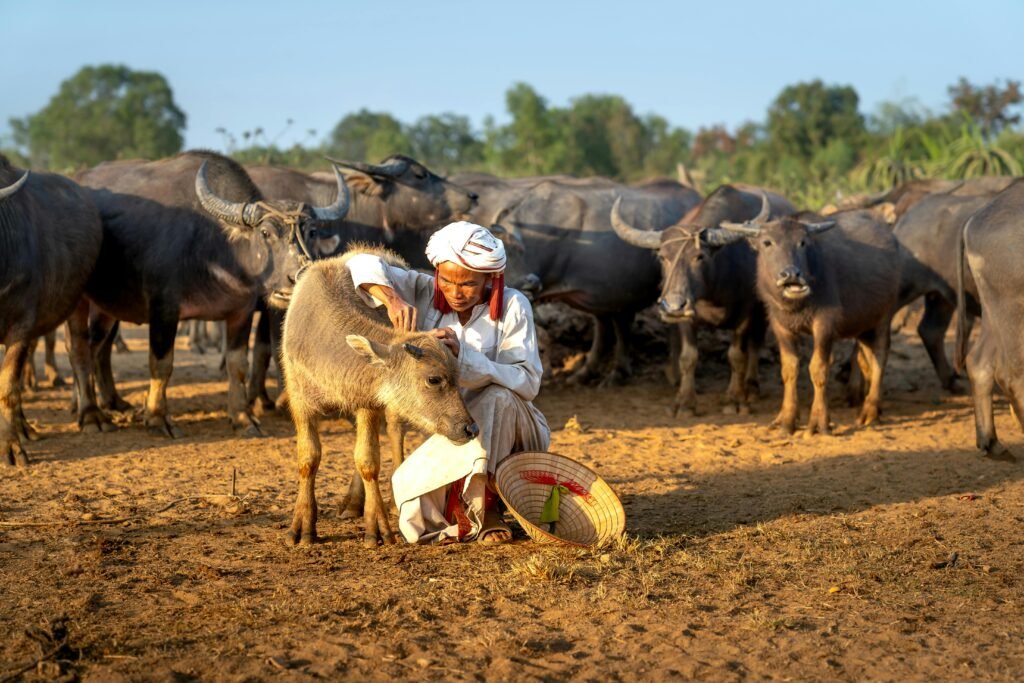
India continues to firmly protect its agriculture and dairy sectors as trade negotiations with the United States move closer to a possible agreement. Officials from both countries aim to secure economic benefits, but New Delhi has clearly stated that it will not compromise key domestic interests.
Agriculture Remains Central to India’s Economy
Agriculture plays a vital role in India’s rural economy and supports millions of livelihoods across the country. During the negotiations, the United States has pushed for wider access to India’s agricultural markets. However, Indian negotiators have actively resisted broad concessions to prevent subsidized foreign imports from harming local farmers.
Commerce and Industry Minister Piyush Goyal confirmed that the proposed agreement fully protects agriculture and dairy. He said the terms under discussion offer better outcomes than trade deals signed by several of India’s neighboring countries. Goyal also pointed to Prime Minister Narendra Modi’s firm position on the issue, supported by steady engagement with US President Donald Trump.
Wider Trade Gains for India
The proposed trade pact promises significant benefits for Indian exporters. The United States plans to reduce tariffs on Indian goods from 50 percent to nearly 18 percent. This move could sharply increase exports in sectors such as textiles, engineering goods, and gems and jewelry.
At the same time, the agreement encourages greater US investment in advanced technology areas, including artificial intelligence, semiconductors, and data center infrastructure. Indian officials have ensured that these opportunities move forward without weakening protections for farmers and dairy producers.
Hope for a People Focused Agreement
Government sources acknowledge that negotiations have reached advanced stages several times in the past. Sector specific concerns, however, slowed progress. Despite these delays, officials remain confident that both sides can finalize a balanced agreement that prioritizes economic growth and public welfare.
India’s negotiating strategy reflects its broader focus on growth with safeguards. As talks continue, policymakers remain focused on strengthening bilateral ties while preserving the backbone of the rural economy.
About The Author