China Sets Fresh Goals to Reduce Carbon Emissions
China has unveiled new targets aimed at lowering carbon emissions relative to economic output as part of its ongoing efforts to transition toward a cleaner energy system. The announcement highlights the country’s plan to expand renewable energy sources while gradually reducing dependence on coal. The initiative is part of China’s broader strategy to meet long term climate commitments and manage emissions as its economy continues to grow.
New Carbon Intensity Targets Announced
Under the newly outlined five year plan covering 2026 to 2030, China aims to reduce its carbon intensity by 17 percent. Carbon intensity refers to the amount of carbon dioxide emissions generated for each unit of gross domestic product.
For the year 2026, officials have set a specific target to lower carbon intensity by approximately 3.8 percent. This step is expected to strengthen China’s ongoing transition toward a more sustainable energy system.
Progress During the Previous Five Year Plan
During the previous five year period that ended last year, China achieved a 12 percent reduction in carbon intensity. While this marked progress in cutting emissions relative to economic growth, it fell short of the earlier target of 18 percent.
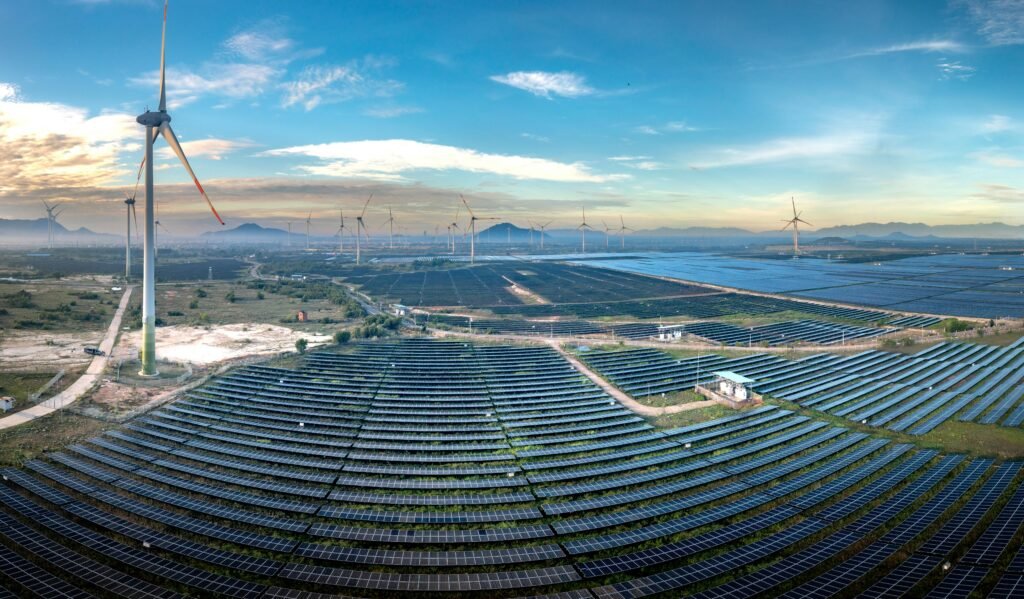
As part of the new strategy, China also plans to gradually reduce coal consumption by replacing around 30 million metric tons of coal annually with renewable energy sources such as solar and wind power. However, the government has not introduced strict nationwide caps on coal use.
Balancing Economic Growth and Climate Goals
Experts suggest that while the carbon intensity targets aim to reduce emissions relative to economic output, total emissions could still increase slightly if economic growth remains strong. Despite this possibility, China continues to maintain its commitment to peak overall carbon emissions before 2030.
The country also faces challenges in energy intensive sectors such as manufacturing, where demand for electricity and industrial output remains high. To address this, authorities are working toward implementing a “dual control” system that monitors both energy consumption and carbon emissions at the industry level.
China’s updated targets signal the country’s continued effort to balance economic expansion with environmental responsibility as it works toward long term climate objectives.
About The Author