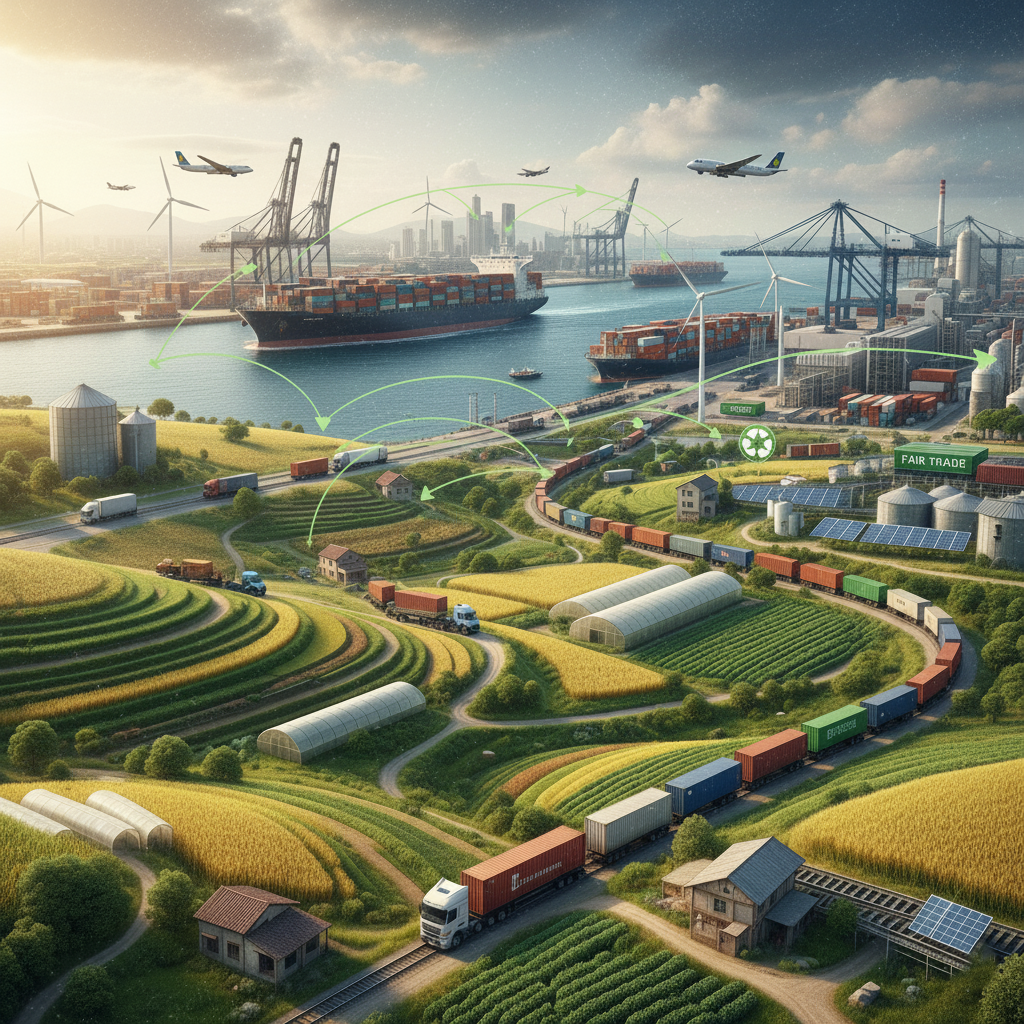
Sustainability Rules Are Expanding Across Borders
Governments across Europe, Asia, and parts of North America are tightening sustainability requirements for agricultural supply chains. New regulations increasingly demand transparency in sourcing, environmental impact reporting, and responsible production practices.
These changes reflect growing concern about climate risk, resource depletion, and ethical sourcing. As a result, sustainability has moved from a voluntary commitment to a regulatory expectation in many global markets.
For background on climate-driven transitions, readers can refer to Climate Change and the Renewable Energy Transition.
Export-Oriented Farmers Feel the Impact
Export-focused farmers and agribusinesses now face higher compliance expectations. Buyers increasingly request proof of responsible land use, water efficiency, and reduced environmental impact before finalizing contracts.
Small and medium producers experience both opportunity and pressure. While compliance opens access to premium markets, it also requires improved documentation and operational discipline.
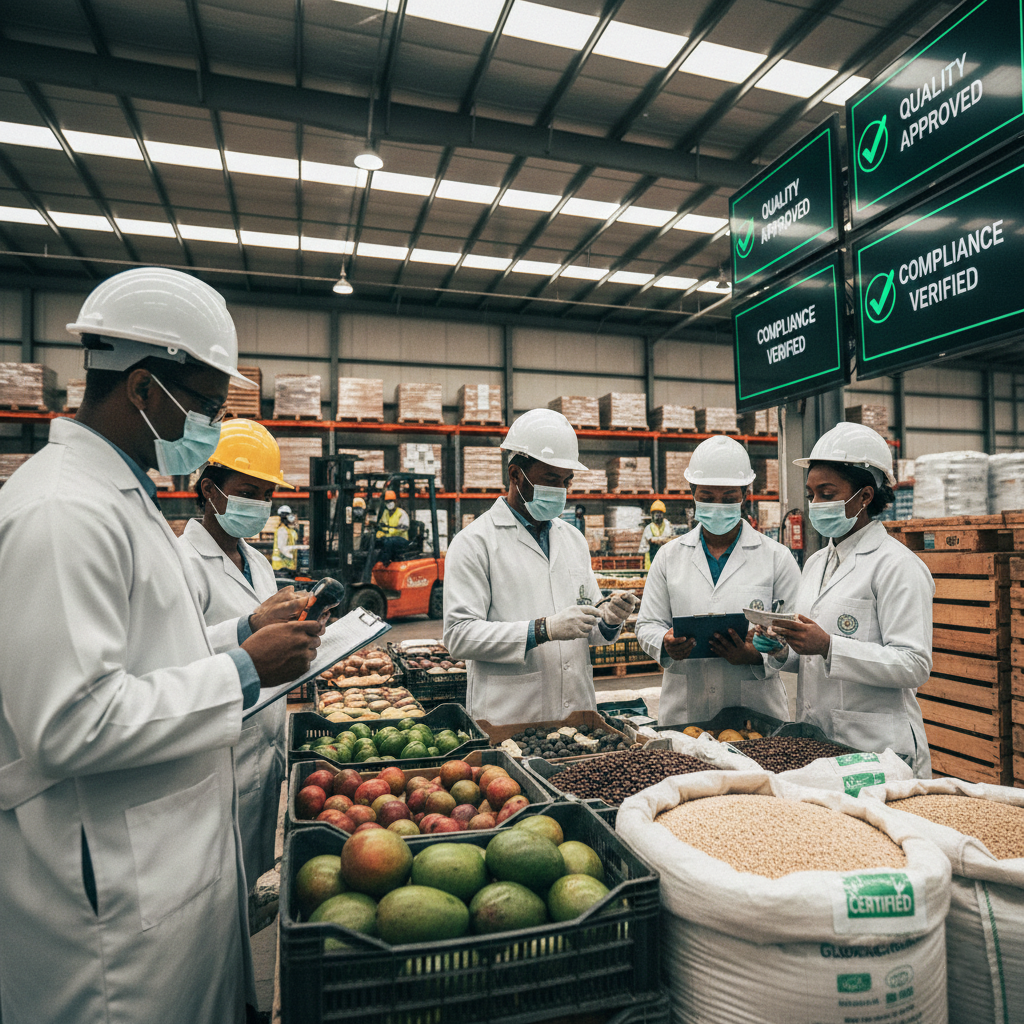
Supply Chain Transparency Becomes a Priority
Digital tracking tools and sustainability audits now play a central role in global food trade. Retailers and importers aim to reduce risk by ensuring suppliers meet environmental benchmarks.
As discussed in Building a Sustainable Future: Why Awareness Matters for Farmers, Communities, and Every Stakeholder, transparency strengthens trust between producers, consumers, and policymakers.
Regional Differences Shape Implementation
Although sustainability goals align globally, implementation varies by region. European regulations emphasize traceability and emissions reduction. Meanwhile, developing regions focus on adaptation, resilience, and resource efficiency.
This regional variation highlights the need for flexible approaches that consider local realities while maintaining global credibility.

Long-Term Shifts in Global Agriculture
Experts expect sustainability regulations to expand further over the next decade. Supply chains that adapt early gain stability, while delayed action increases market risk.
As sustainability expectations rise, agriculture enters a new phase where environmental performance directly influences trade access, pricing, and long-term viability.
About The Author



I love what you guys tend to be up too. This type of clever work and reporting! Keep up the superb works guys I’ve included you guys to my personal blogroll.