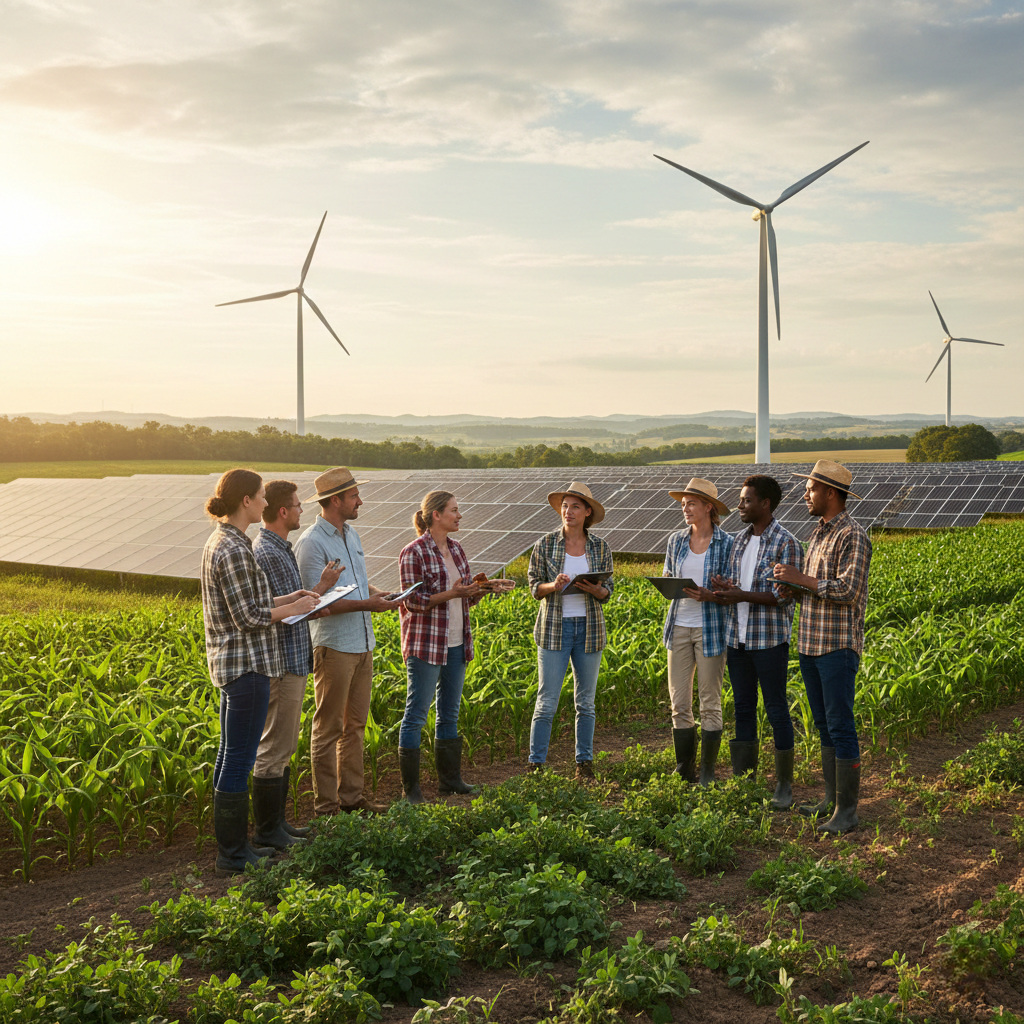
Sustainability is no longer a distant concept discussed only in global summits or academic circles. It has become a practical necessity that affects food security, climate resilience, economic stability, and public health. For farmers, industries, governments, and consumers alike, awareness of sustainability is the first and most important step toward building a resilient future.
At its core, sustainability means meeting present needs without compromising the ability of future generations to meet theirs. This principle applies directly to agriculture, natural resource management, energy use, and consumption patterns across society.
Sustainability and Farmers: The Backbone of Change
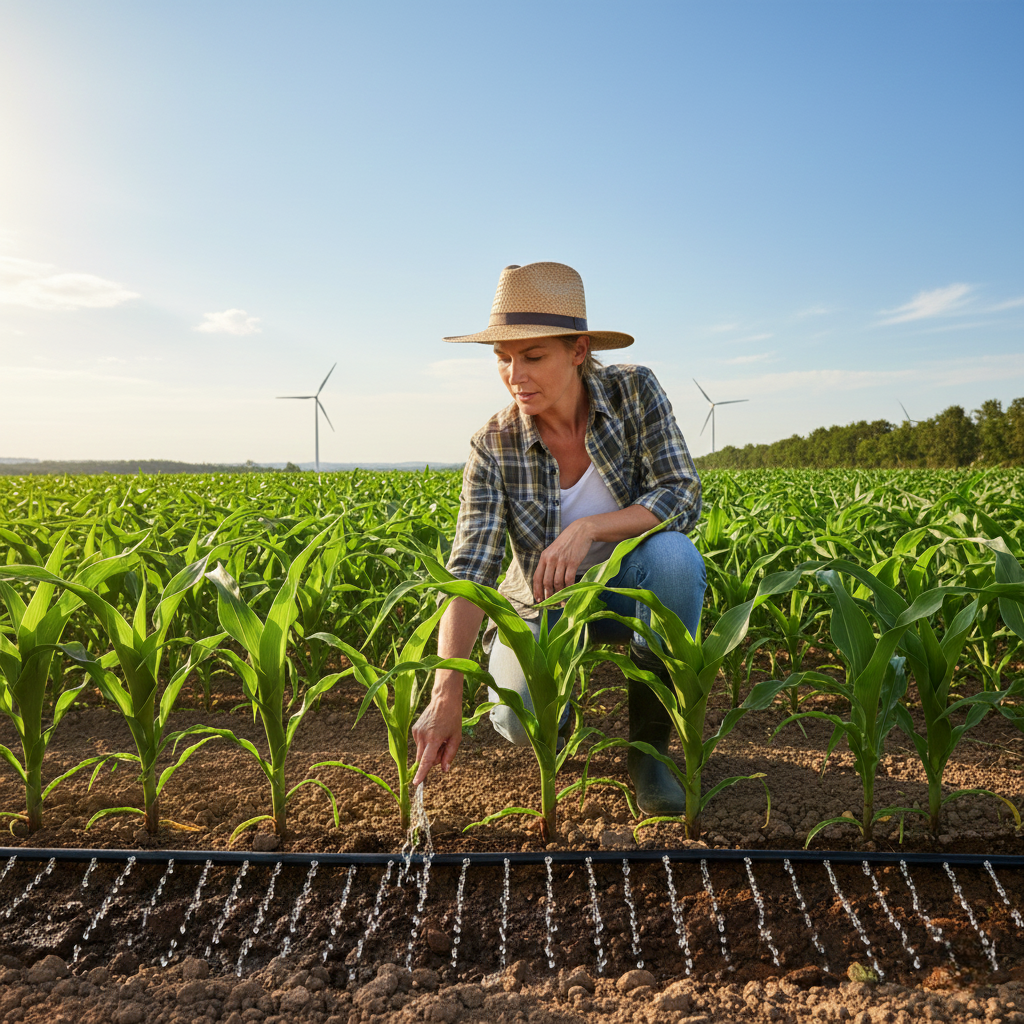
Farmers are among the most directly impacted by environmental changes. Irregular rainfall, declining soil fertility, rising input costs, and extreme weather events are already affecting agricultural productivity. Sustainable farming practices-such as crop rotation, organic inputs, water-efficient irrigation, agroforestry, and soil conservation-help farmers reduce risks while maintaining long-term productivity.
Awareness plays a crucial role here. When farmers understand the economic and environmental benefits of sustainable practices, adoption becomes easier and more effective. Sustainable agriculture not only protects ecosystems but also improves farm profitability by reducing dependency on costly chemical inputs and preserving soil health.
Role of Stakeholders in Promoting Sustainability

Sustainability is a shared responsibility. Governments, agribusinesses, financial institutions, researchers, and consumers all have a role to play.
- Policymakers can support sustainable transitions through incentives, subsidies, and clear environmental regulations.
- Agribusinesses and supply chains can promote responsible sourcing and reduce waste.
- Financial institutions can support green investments and climate-smart farming initiatives.
- Researchers and educators can provide data-driven solutions and training.
- Consumers influence sustainability through informed choices and reduced food waste.
When all stakeholders work together, sustainable systems become scalable and impactful.
Why Sustainability Awareness Matters to Society
Raising awareness about sustainability helps communities understand the link between environmental protection and everyday life. Clean air, safe drinking water, affordable food, and stable livelihoods all depend on healthy ecosystems.
Public awareness encourages responsible consumption, waste reduction, recycling, and energy efficiency. It also empowers citizens to demand sustainable policies and corporate accountability. Informed communities are better prepared to adapt to climate challenges and support green innovations.
Technology and Innovation Driving Sustainable Solutions
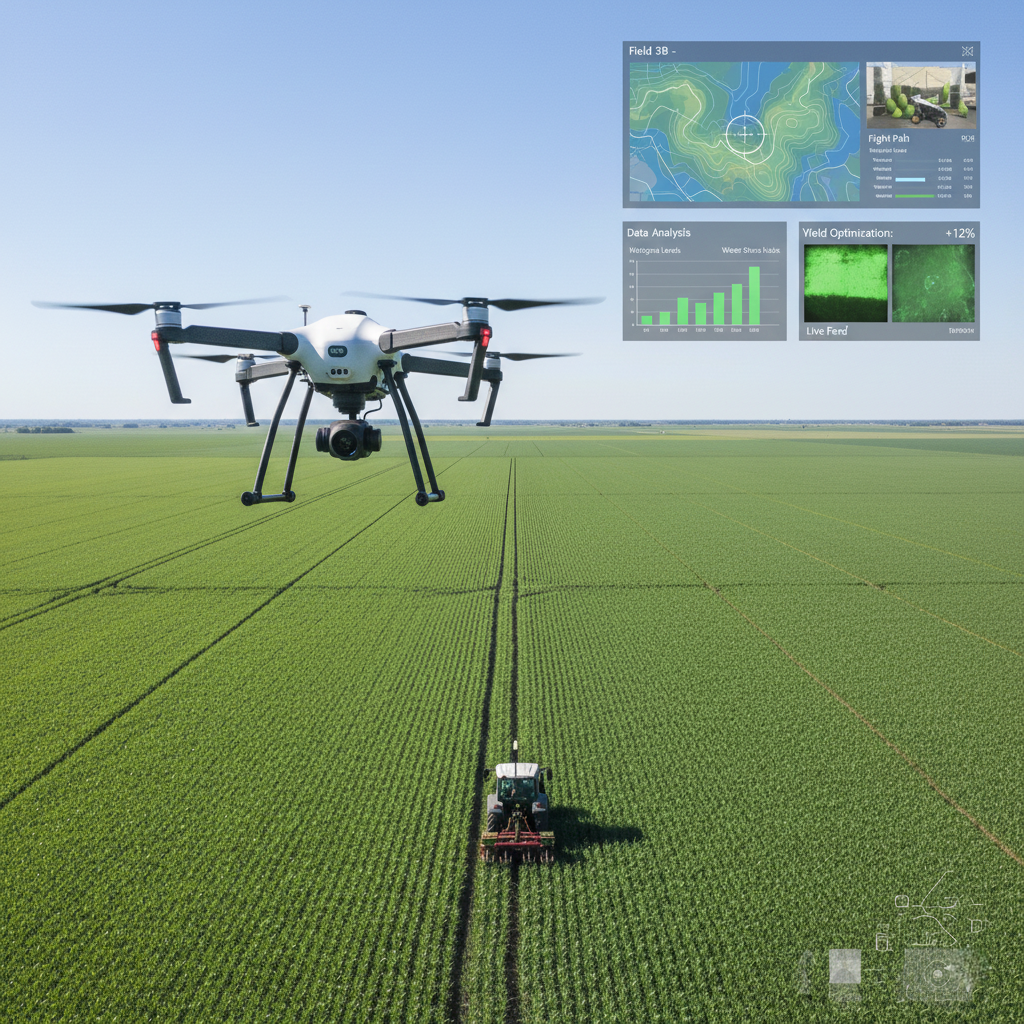
Modern technology is accelerating sustainability efforts. Precision agriculture, satellite monitoring, climate-smart seeds, renewable energy, and digital advisory platforms are helping farmers and stakeholders make informed decisions.
However, technology alone is not enough. Awareness ensures that innovations are used effectively, ethically, and inclusively-especially by small and marginal farmers who are often most vulnerable to environmental changes.
A Collective Path Forward
Sustainability is not a one-time action but a continuous journey. Awareness bridges the gap between knowledge and action. By educating farmers, engaging stakeholders, and informing the public, societies can transition toward systems that are environmentally sound, economically viable, and socially just.
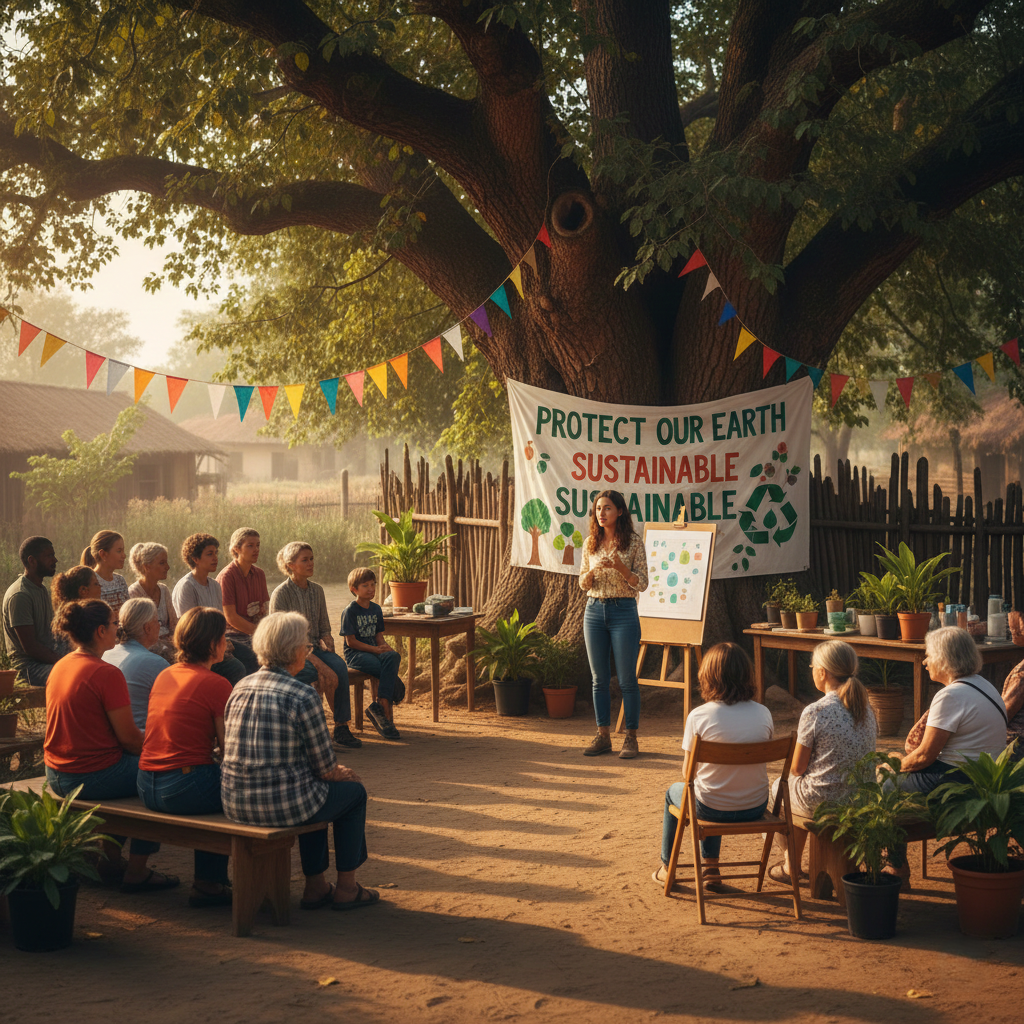
Building a sustainable future starts with awareness-and every stakeholder has a role in shaping it.
About The Author






2 thoughts on “Building a Sustainable Future: Why Awareness Matters for Farmers, Communities, and Every Stakeholder”