Regenerative agriculture is moving beyond small pilot projects. It is becoming a practical strategy for the future of farming. Farmers, businesses, and governments are now exploring ways to expand these practices across larger agricultural systems.
The debate is no longer about whether regenerative agriculture matters. The focus has shifted toward scaling these methods while maintaining stable production and farm profitability.
Why Regenerative Agriculture Is Gaining Attention
The agriculture industry faces pressure from climate change, soil degradation, and water scarcity. Food companies also face rising expectations from consumers and policymakers.
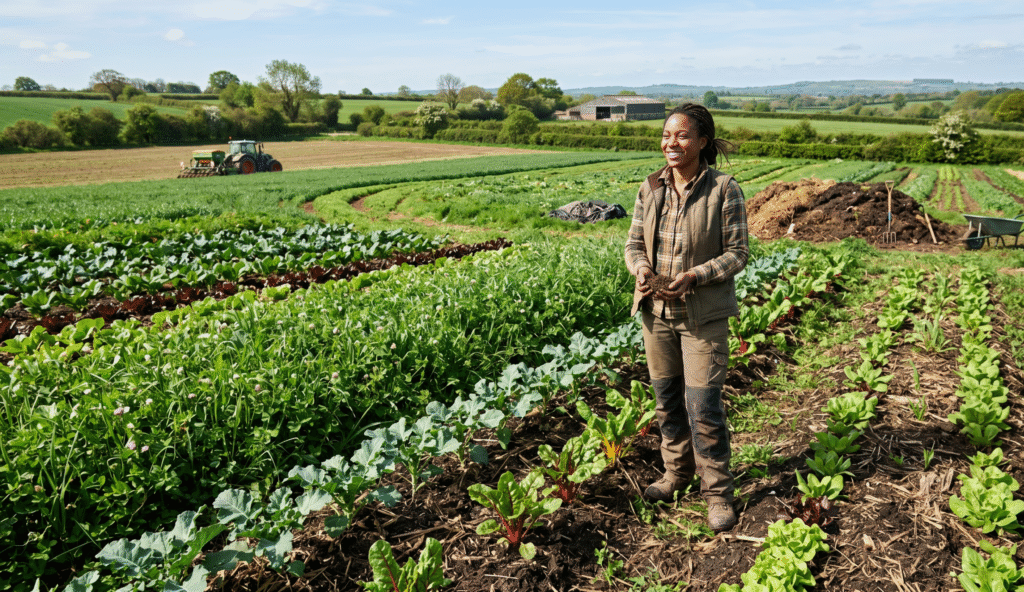
Regenerative agriculture has gained attention because it supports healthier farming systems. Farmers use several practices to improve soil quality, increase biodiversity, and strengthen water retention.
Many experts believe these methods can improve long term farm resilience. They may also help farms adapt to changing weather conditions more effectively.
Why Farmers Prefer a Slow Transition
Most farmers do not change their entire system at once. Farming involves financial risks and unpredictable conditions. A sudden transition can affect crop yields, equipment use, labor, and production costs.
Because of these risks, many growers start with a few fields first. They test regenerative practices before expanding them across their farms. This approach allows farmers to study the results in real working conditions.
Farmers also want proof that the methods can support stable income and productivity over time.
What Farmers Need to Scale Regenerative Practices
Successful adoption depends on more than awareness. Farmers often need practical guidance, financial support, and reliable data.
Tools that track soil health, yield performance, and input efficiency can reduce uncertainty. These systems help farmers make informed decisions about long term investments.
Many experts also support incentive programs that reward gradual progress. Such programs can reduce financial pressure during the transition period.
Peer learning also plays an important role. Farmers usually trust real experiences from other growers who have already adopted regenerative practices successfully.
Businesses Are Becoming More Involved
Food and agriculture companies are increasing their involvement in regenerative farming. Many businesses now connect sustainability goals with supply chain resilience.
Several companies are supporting farmers through training programs, technical support, and long term purchasing agreements. Some businesses also provide market access and financial incentives.
Commercial support can make regenerative farming more attractive for growers. Farmers are more likely to adopt new practices when they see clear economic benefits.
Moving Beyond Pilot Projects
Pilot projects help demonstrate the value of regenerative agriculture. However, experts believe large scale change requires stronger long term support.
Governments, businesses, financial institutions, and farmers must work together. Policies, investment frameworks, and market demand will shape the next phase of growth.
Industry leaders believe regenerative agriculture will expand faster when it becomes part of standard farming systems rather than isolated projects.
Conclusion
Regenerative agriculture is becoming a realistic long term farming strategy. The transition may take time, but interest continues to grow across the agriculture sector.
The future of regenerative farming depends on collaboration, measurable progress, and practical support. When science, incentives, and farmer experience work together, sustainable agriculture can scale more effectively.
About The Author