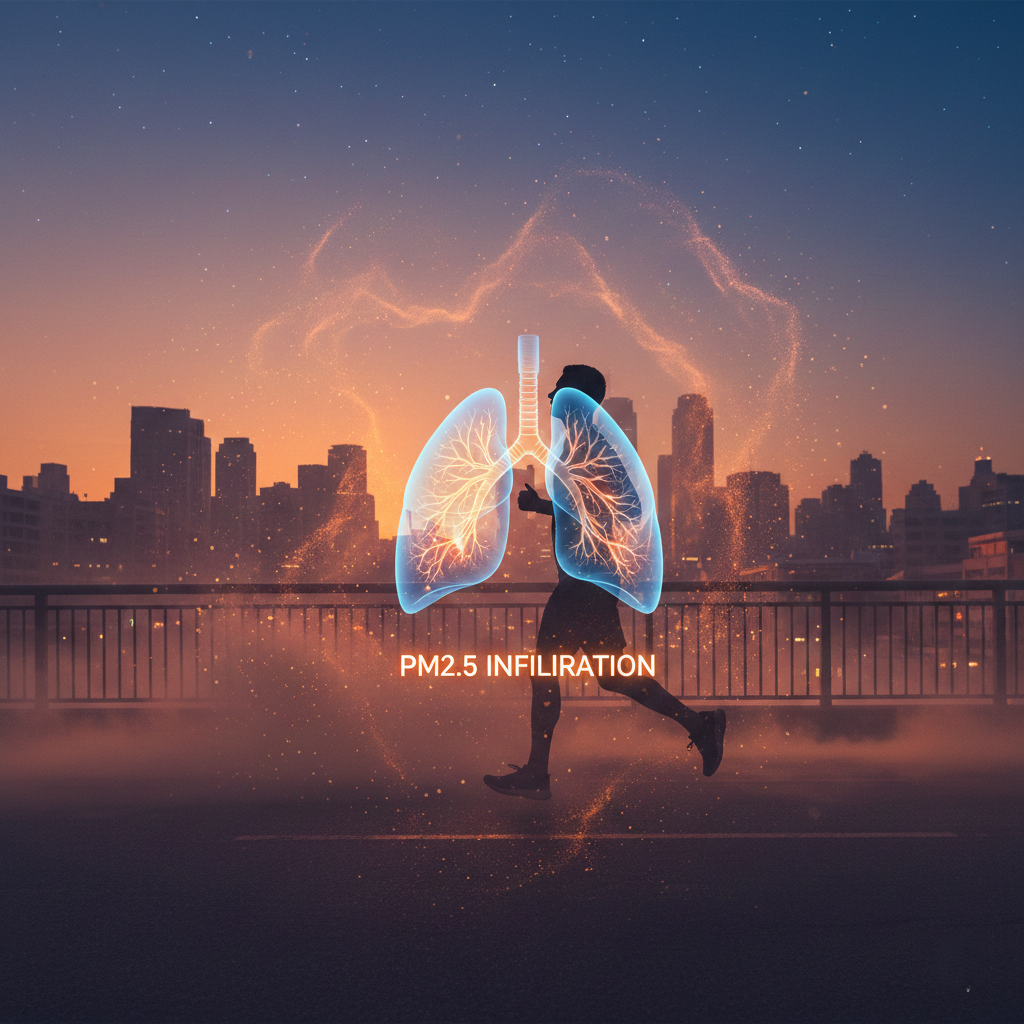
New international research reveals that long-term exposure to fine particulate air pollution (PM2.5) substantially erodes the life-saving benefits of regular physical activity, analyzing data from over 1.5 million adults monitored for more than a decade across the UK, Taiwan, China, Denmark, and the United States. Published in BMC Medicine, the study highlights how polluted environments quietly sabotage health gains, even as exercise remains somewhat protective. Fine particles under 2.5 micrometers infiltrate deep into lungs and the bloodstream, counteracting reductions in mortality risk from all causes, cancer, and heart disease.
Detailed Pollution-Exercise Dynamics
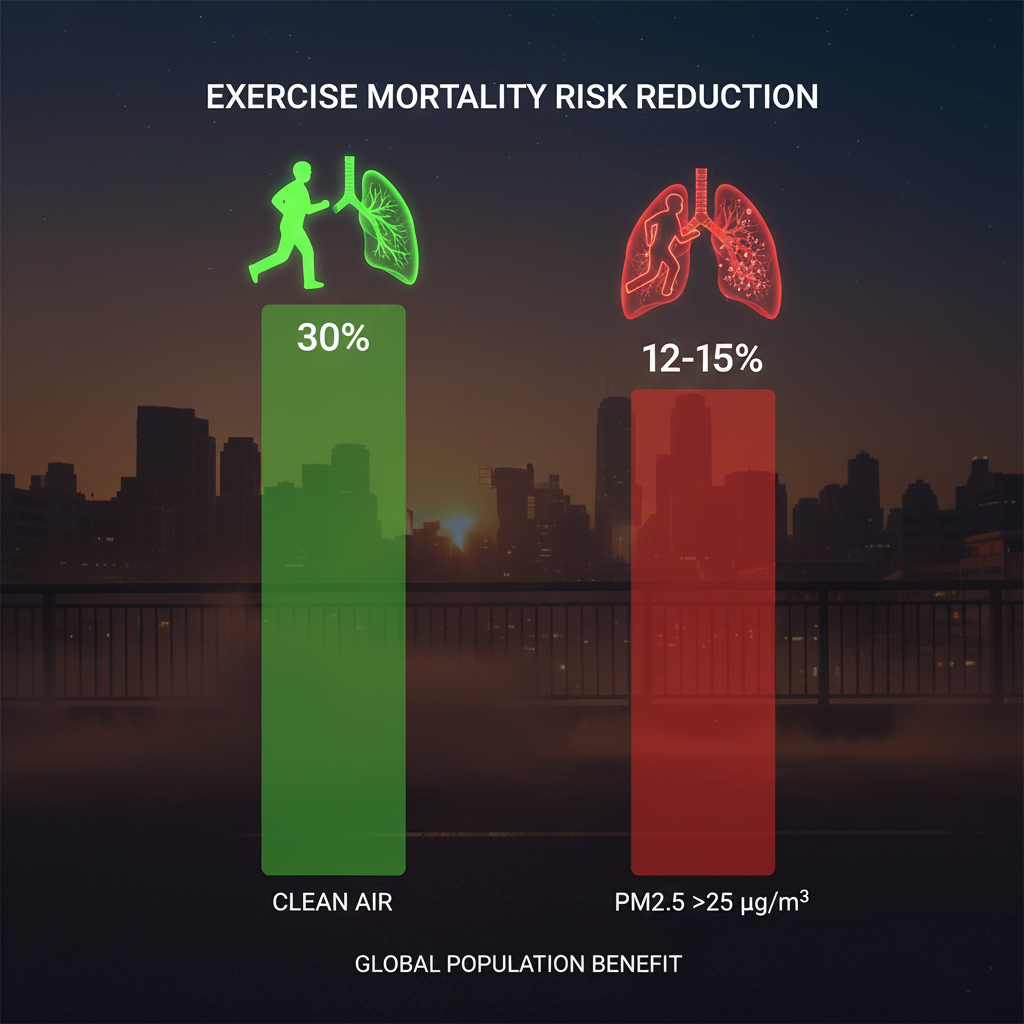
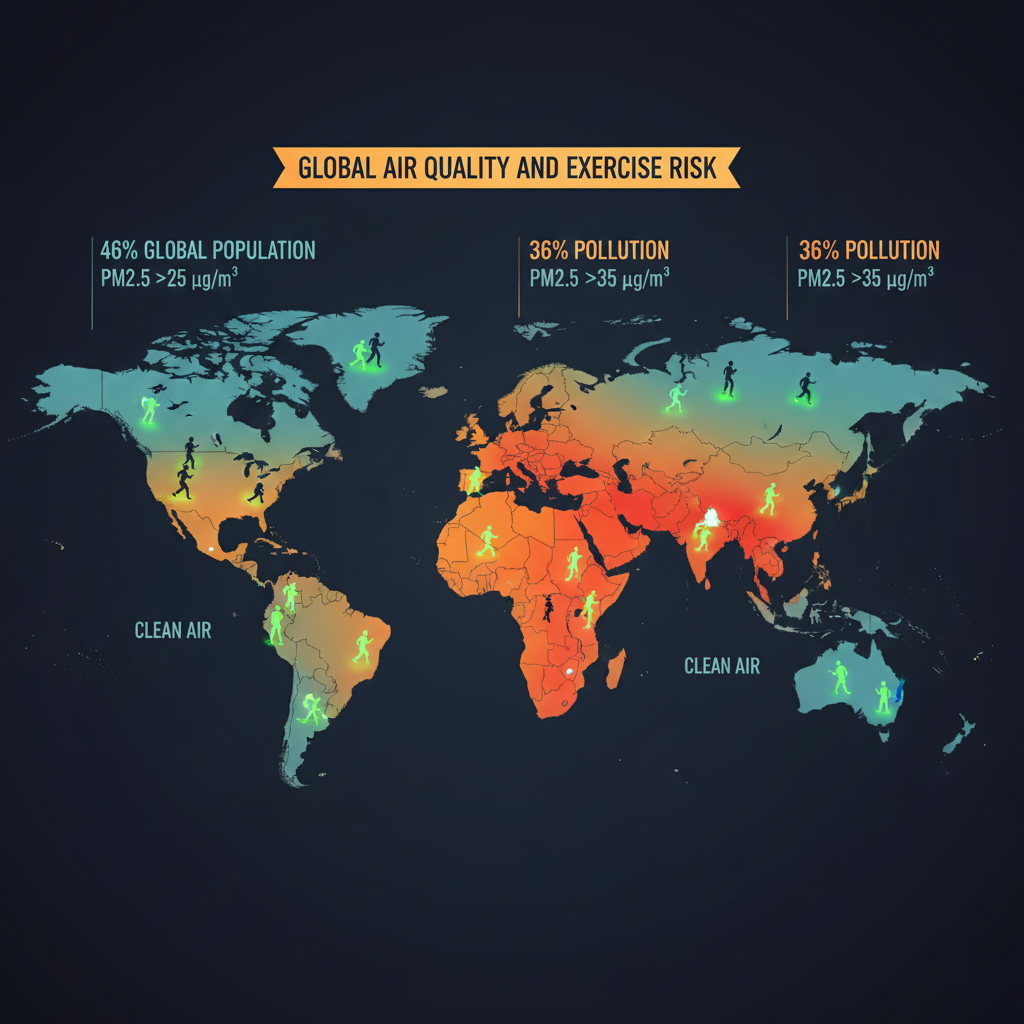
Adults achieving at least 2.5 hours of moderate to vigorous exercise weekly—such as jogging or sports that induce breathlessness and sweating—typically enjoy a 30% lower death risk compared to inactive peers. However, in areas with annual PM2.5 averages of 25 μg/m³ or higher, this benefit plummets to just 12-15%, affecting 46% of the global population. At levels exceeding 35 μg/m³, where 36% of people live, protective effects weaken dramatically, especially against cancer deaths. UK participants averaged 10 μg/m³, below key thresholds, but urban winter spikes often surpass 25 μg/m³, posing intermittent threats.
The team pooled seven studies, including three unpublished ones with individual records, while adjusting for factors like income, education, smoking, and chronic conditions. Limitations include a focus on high-income countries, potentially understating risks in low-income areas where PM2.5 routinely tops 50 μg/m³, plus gaps in indoor air and diet data.
Calls for Action and Practical Tips
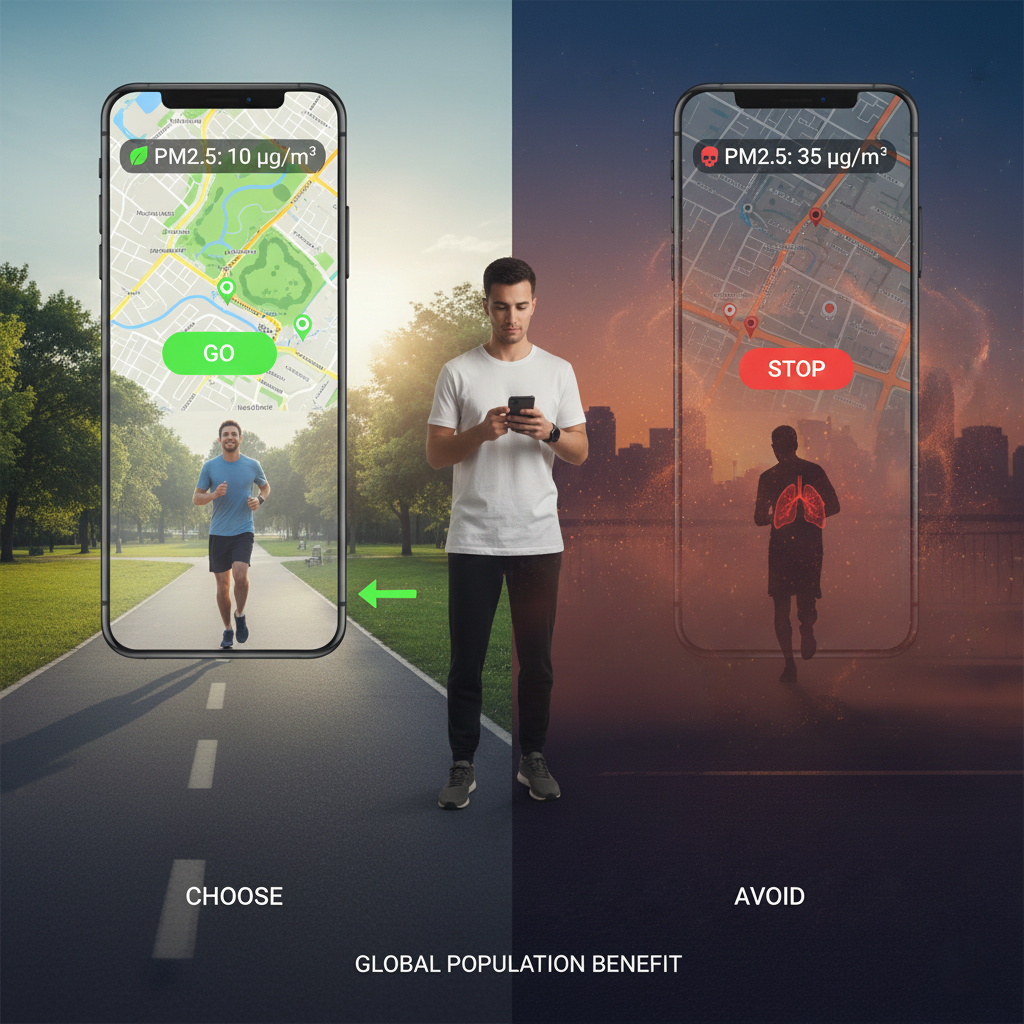
Lead author Professor Po-Wen Ku from National Chung Hsing University, Taiwan, affirms: “Exercise remains beneficial even in polluted environments, but improving air quality greatly enhances these health gains”. UCL’s Professor Andrew Steptoe warns that toxic air “blocks but does not eliminate” benefits, urging pollution controls for healthy aging. Co-author Professor Paola Zaninotto recommends monitoring air quality apps, opting for cleaner routes, and reducing intensity on high-pollution days to optimize outcomes.
Funded by Taiwan’s National Science and Technology Council and others, this collaboration underscores clean air’s synergy with activity. As urbanization intensifies, prioritizing emission reductions could unlock fuller exercise rewards worldwide.
About The Author