United Nations negotiations are progressing on a global tax framework that could require fossil fuel companies to help cover the cost of climate damage. The proposal follows the polluter pays principle and responds to long-standing demands from developing nations facing severe climate impacts.
Global Tax Talks Move Forward
The discussions fall under the Framework Convention on International Tax Cooperation. The goal is to create fair global tax rules while reducing tax avoidance. A major focus is whether fossil fuel producers should pay charges linked to emissions from coal, oil, and gas extraction.
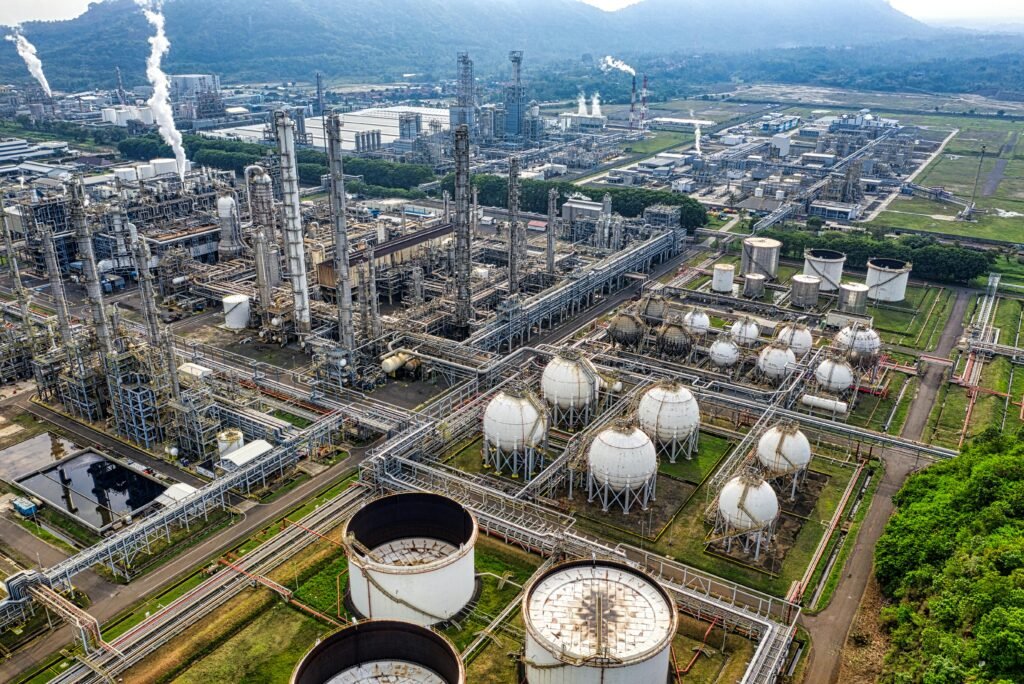
Some proposals suggest a levy of up to $5 per tonne of emissions. If adopted, the measure could unlock major funding for climate action. Climate-vulnerable countries want a direct connection between fossil fuel profits and compensation for climate-related disasters.
Developing Countries Demand Stronger Commitments
Several developing nations have raised concerns about the latest draft. They argue that references to taxing fossil fuel profits have become weaker. The removal of a proposed global asset registry for wealthy individuals has also drawn criticism.
African nations first proposed the treaty in 2022. Progress slowed after the United States withdrew from the talks. Disagreements over whether the UN or the OECD should lead global tax policy have further delayed negotiations.
Adoption Timeline and Political Challenges
Negotiators could adopt the framework by late 2027 if countries resolve disputes over enforcement and scope. Many nations continue to push for stronger accountability measures and clearer implementation rules.
The United Kingdom has expressed support for inclusive tax cooperation. UK officials have stressed the importance of holding polluters responsible while giving all nations an equal voice in decision-making.
Climate Finance Could See Major Boost
A global tax on large oil and gas companies could raise billions of dollars each year. These funds could significantly expand the UN Loss and Damage Fund. The money would support countries at high climate risk, including India and Jamaica.
Supporters say the framework would reduce the dominance of wealthy nations in global tax discussions. They believe it would allow developing countries to shape policies that affect their economies and climate resilience.
About The Author