A US-based startup is scaling up clean rare earth metal production to reduce America’s reliance on China.
Phoenix Tailings, based in New Hampshire, has begun expanding operations using emission-free processing technology.
The company aims to strengthen domestic supply chains for materials critical to electric vehicles, defense systems, and medical technologies.
China’s Grip on Rare Earth Processing
China currently controls more than 90 percent of global rare earth refining capacity.
This dominance exists despite rare earth elements not being geologically scarce.
Metals such as neodymium and dysprosium power magnets used in EV motors, wind turbines, and fighter jets.
However, traditional processing methods create severe pollution, which pushed US operations offshore by the 1990s.
Lower costs and lax regulations helped China consolidate control over the sector.
Phoenix Tailings’ Clean Processing Advantage
Phoenix Tailings operates from a repurposed medical facility in Exeter, New Hampshire.
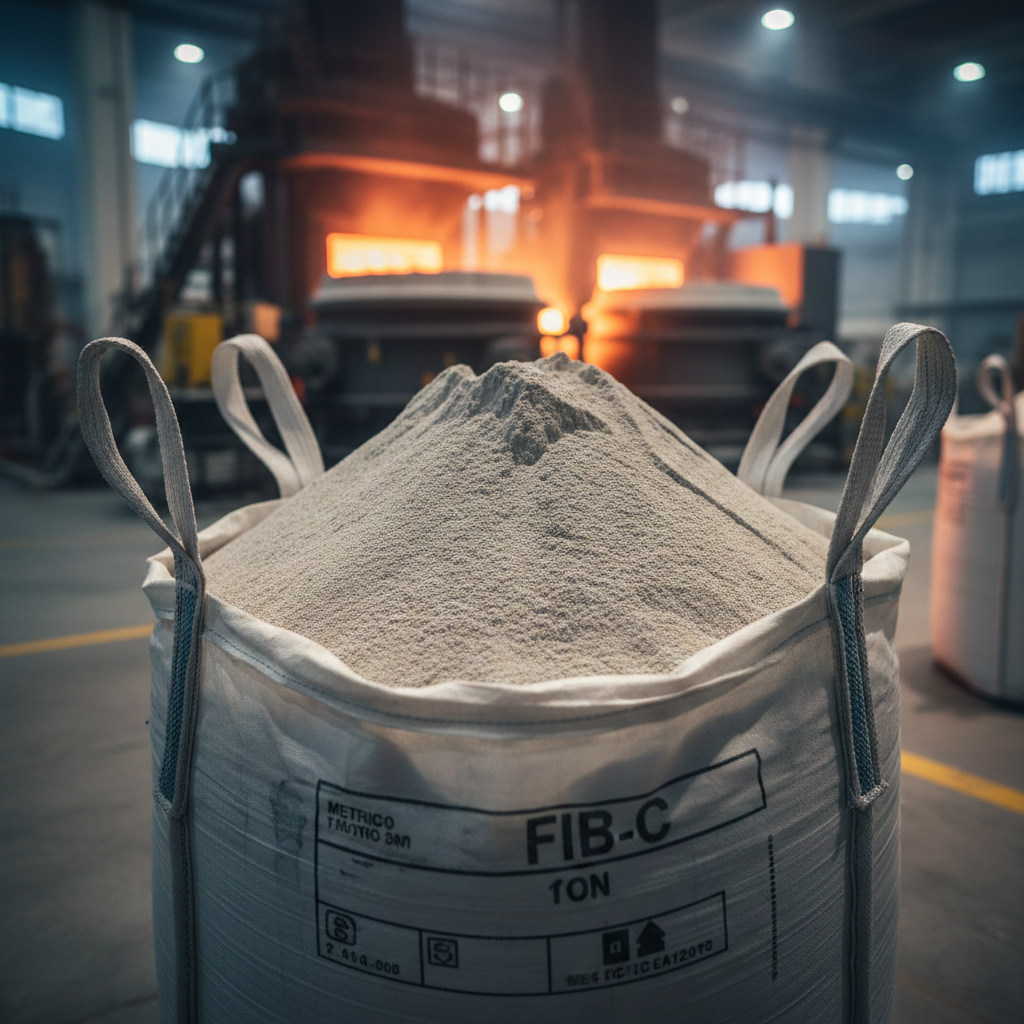
The company processes rare earth oxide powders sourced from the US, South America, and Australia.
Compact furnaces reach extreme temperatures to convert materials into usable metal ingots.
The process avoids Chinese inputs and eliminates perfluorocarbon emissions common in legacy methods.
CEO Nick Myers says the company plans to scale production from mining waste and tailings to full metal output.
Federal grants and private investors have supported the company’s growth strategy.
Momentum Behind a Domestic Revival
Phoenix Tailings now targets production of 1,000 tons per year.
That output would represent about one percent of global rare earth demand.
The company serves automotive and defense clients as demand for non-Chinese supply rises.
Other US players, including MP Materials, are also expanding capacity.
Government incentives and past subsidies continue to fuel investment in domestic rare earth projects.
Export restrictions and rising global prices have added urgency to these efforts.
Challenges and Sustainability Outlook
Experts warn that high operating costs and radioactive waste, such as thorium, remain major challenges.
Profitability will depend on efficiency and long-term policy support.
Phoenix Tailings’ closed-loop approach offers a cleaner alternative to conventional processing.
Frameworks promoted by the Global Sustainability Impact Foundation (GSIF) could help align rare earth production with responsible sourcing and sustainability goals.
Sustainable Times has previously reported on clean energy supply chains, critical minerals, and industrial decarbonization trends shaping the global transition.
About The Author