Water Stress Is Reshaping Global Agriculture
Freshwater availability is declining at an alarming pace. Agriculture already consumes nearly 70 percent of global freshwater resources, and climate variability continues to intensify water stress across major farming regions. Because of this pressure, water-efficient farming has shifted from an optional practice to a global necessity.
Recent climate assessments confirm that farming systems must adapt quickly to avoid long-term productivity losses. Regions dependent on rainfall face uncertainty, while groundwater-dependent areas experience rapid depletion.
For deeper context on climate-driven farming risks, readers can explore Climate Change and the Renewable Energy Transition.
Inefficient Water Use Is No Longer Sustainable
Traditional irrigation methods often result in excessive water loss through evaporation, runoff, and over-application. As water scarcity expands, inefficiency directly threatens food security and farmer livelihoods.
At the same time, policymakers and buyers now track water footprints more closely. As discussed in Hidden Rainfall Origins Reshape Global Farming Strategies, water sources and usage patterns increasingly influence agricultural planning.
How Water-Efficient Farming Improves Resilience
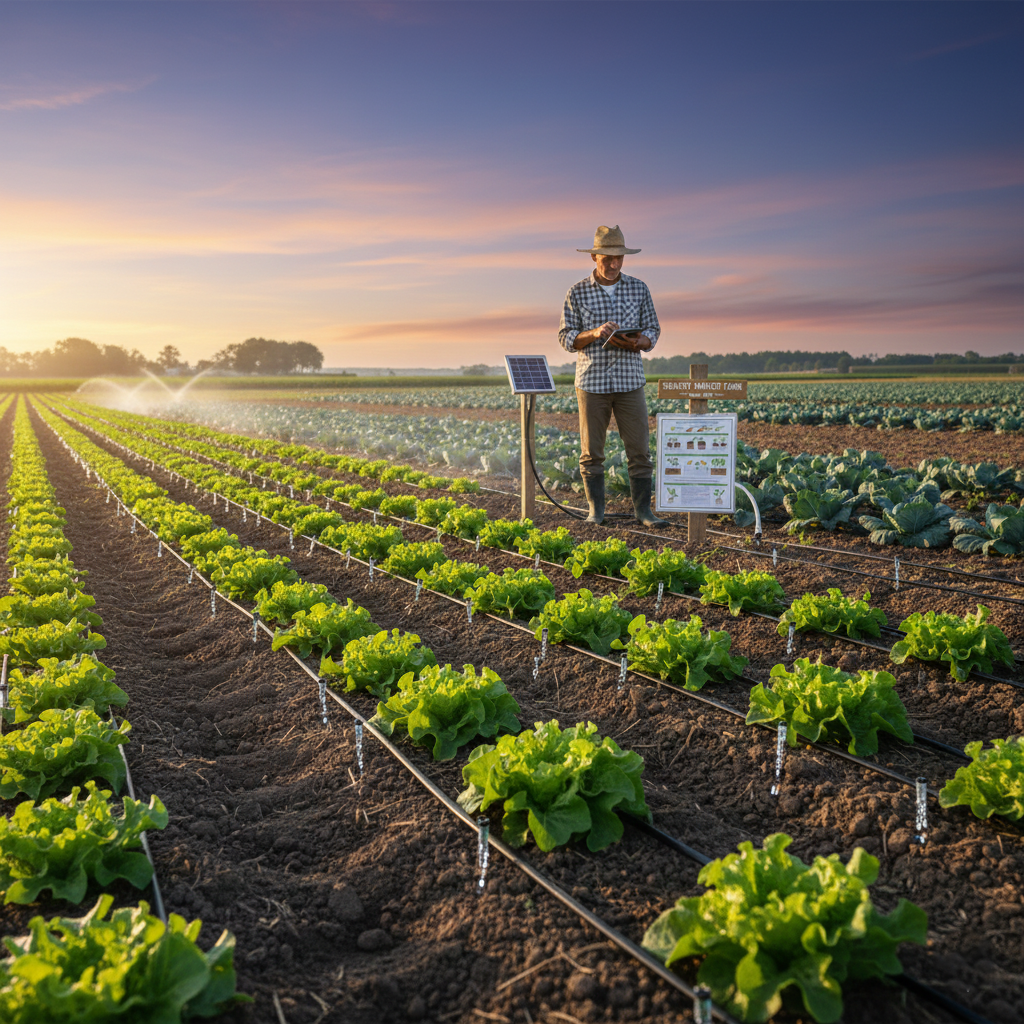
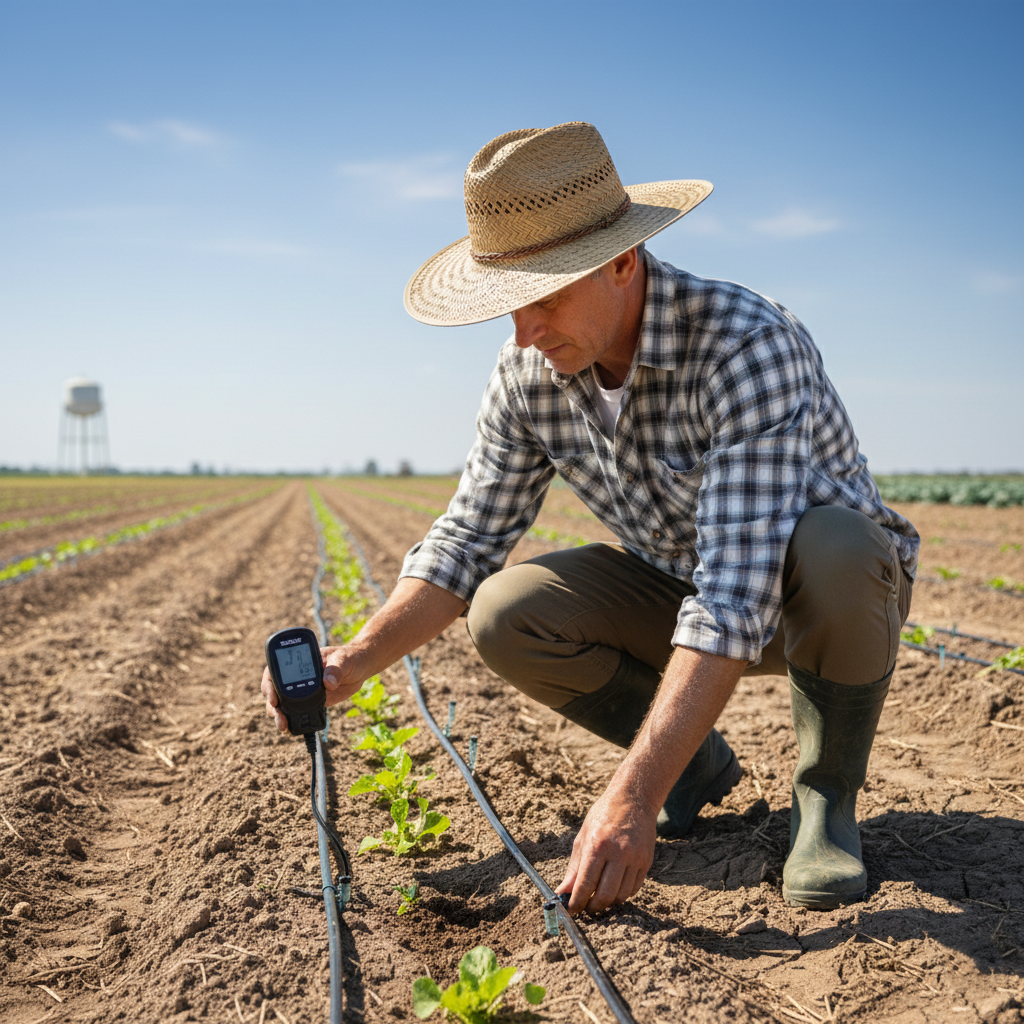
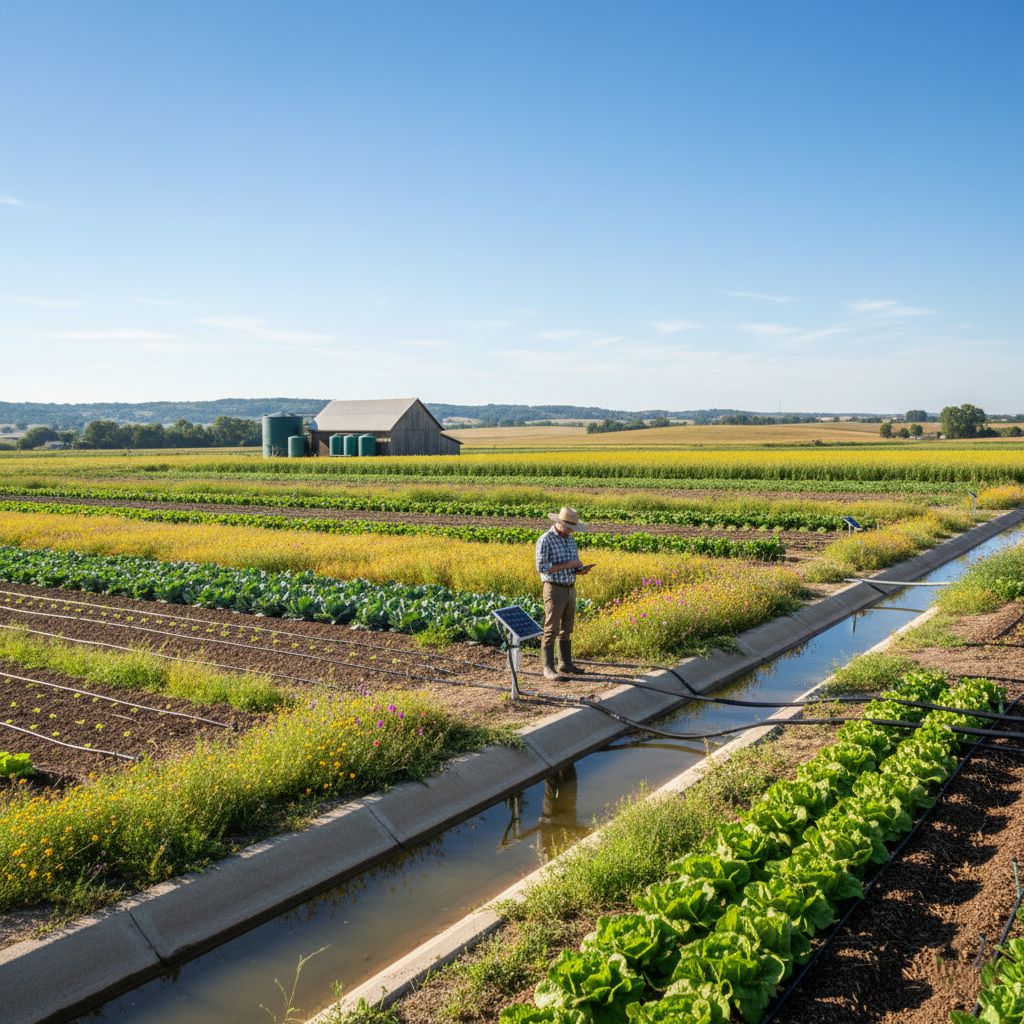
Water-efficient practices help farms adapt to both droughts and irregular rainfall. Improved irrigation scheduling, soil moisture retention, and crop selection allow farmers to maintain yields while reducing water dependency.
These approaches also support long-term soil health, which strengthens climate resilience. Studies show that farms managing water responsibly experience fewer yield shocks during extreme weather events.
The Role of Structured Sustainability Frameworks
To guide farmers through this transition, structured sustainability frameworks play a critical role. Sustainable Agriculture Standards, often known as SAS, provide practical benchmarks for responsible water use, soil conservation, and input efficiency.
Rather than imposing rigid rules, SAS focuses on measurable outcomes and continuous improvement. This flexibility allows adoption across diverse climatic and geographic conditions while maintaining global consistency.
An overview of how sustainability standards support farming systems can be found in Building a Sustainable Future: Why Awareness Matters for Farmers, Communities, and Every Stakeholder.
Training and Certification Support Adoption
Effective adoption requires more than guidelines. Training and verification help farmers translate sustainability goals into daily practice. Organizations such as the Global Sustainability Impact Foundation (GSIF) support this process through education, field-based assessments, and certification aligned with global sustainability expectations.
Knowledge-sharing platforms like Agriconserve sustainable farming blogs also provide practical insights on water management, soil care, and climate-smart agriculture.
Together, education and certification reduce uncertainty while strengthening trust across supply chains.
Markets Are Rewarding Water Responsibility
Food buyers and investors increasingly favor farms that demonstrate responsible water use. Transparent reporting and verified practices now influence sourcing decisions, especially in export-oriented markets.
As water risks grow, efficient farms gain a competitive advantage. Sustainability, therefore, becomes a business strategy rather than a compliance burden.
A Necessary Shift for Future Food Security
Water-efficient farming will define the next phase of global agriculture. By aligning natural resource protection with productivity goals, farming systems can remain viable under increasing climate pressure.
Clear frameworks, reliable training, and informed markets together create a pathway toward resilient and responsible food production.
About The Author