Despite growing policy uncertainty and regulatory challenges worldwide, a new group of influential women leaders continues to push climate action forward. A recent recognition by Reuters Events has highlighted twelve women who are shaping global climate strategies across government, finance, business, and civil society.
These leaders are working to accelerate sustainable solutions and maintain momentum in the global fight against climate change, even as the political landscape becomes more complex.
Climate Policy Faces New Obstacles
The global climate agenda encountered significant challenges in 2025. One of the most notable developments was the rollback of the U.S. endangerment finding during the administration of Donald Trump. This regulation had served as a key foundation for climate policies aimed at limiting greenhouse gas emissions.
The change, combined with increased fossil fuel development and shifting international priorities, created new hurdles for global cooperation on climate and environmental protection. Experts say these developments slowed progress on addressing both climate change and biodiversity loss.
The Women Leading Climate Innovation
The 2026 Trailblazing Women in Climate list features leaders who are influencing sustainability strategies across sectors.
Among them is Barbara Buchner, who leads the Climate Policy Initiative in advancing climate finance solutions around the world. Another prominent figure is Jo da Silva from the global engineering and consulting firm Arup.
City leadership is represented by Anne Hidalgo, who has implemented several sustainability initiatives in Paris to reduce emissions and promote greener urban development.
Corporate sustainability efforts are also reflected in the work of Kara H. Hurst at Amazon and Leslie Johnston from the Laudes Foundation.
Other leaders recognized in the list include:
- Catherine McKenna
- Laureen Meroueh
- Cecile Ndjebet
- Frances Seymour
- Durreen Shahnaz
- Jessica Smith
- Ana Toni
Together, these experts represent a diverse set of voices working across finance, research, public policy, and environmental advocacy.
A Message of Optimism for Climate Progress
While the global climate movement has experienced setbacks, several leaders believe that progress continues to accelerate in key areas.
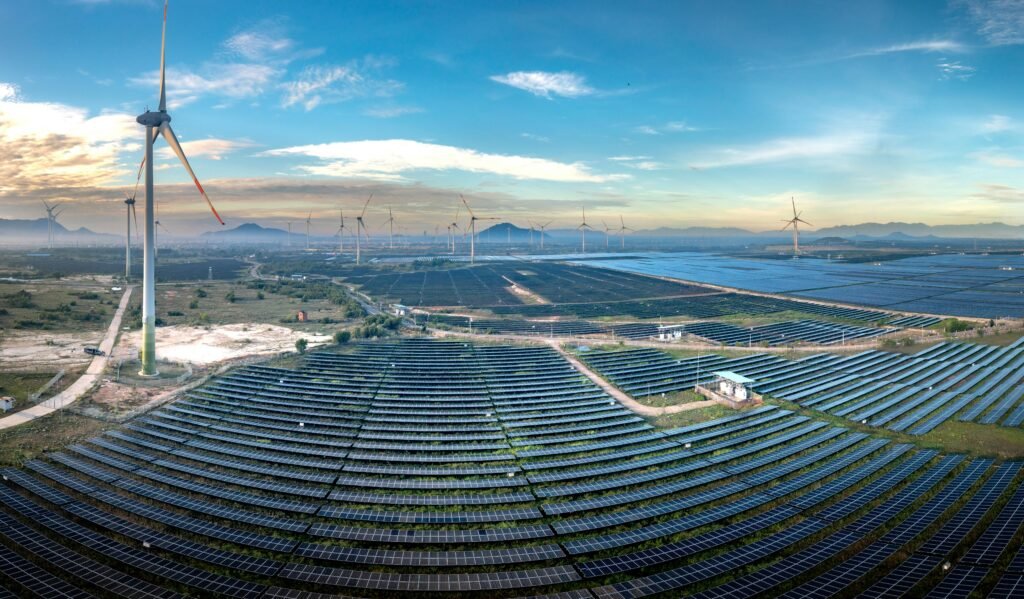
Ana Toni pointed to the rapid growth of renewable energy technologies, advances in battery storage, improvements in food systems, and stronger forest protection initiatives. According to her, these developments could signal positive turning points that support a more sustainable economic model.
Barbara Buchner also highlighted the importance of collaboration. She noted that strong partnerships and scalable climate solutions are helping build momentum that will be difficult to reverse.
Frances Seymour emphasized the role women often play in building cooperation across industries, governments, and communities. She believes this ability to connect stakeholders can turn ambitious ideas into measurable climate outcomes.
The Road Ahead for Global Climate Leadership
As governments, corporations, and communities navigate a changing policy environment, these climate leaders stress the importance of resilience and collaboration.
Their work focuses on expanding proven solutions that support climate action, restore natural ecosystems, and ensure a fair transition toward sustainable economies.
Industry observers say the leadership shown by these women demonstrates that meaningful progress remains possible even during periods of political and regulatory uncertainty.
About The Author