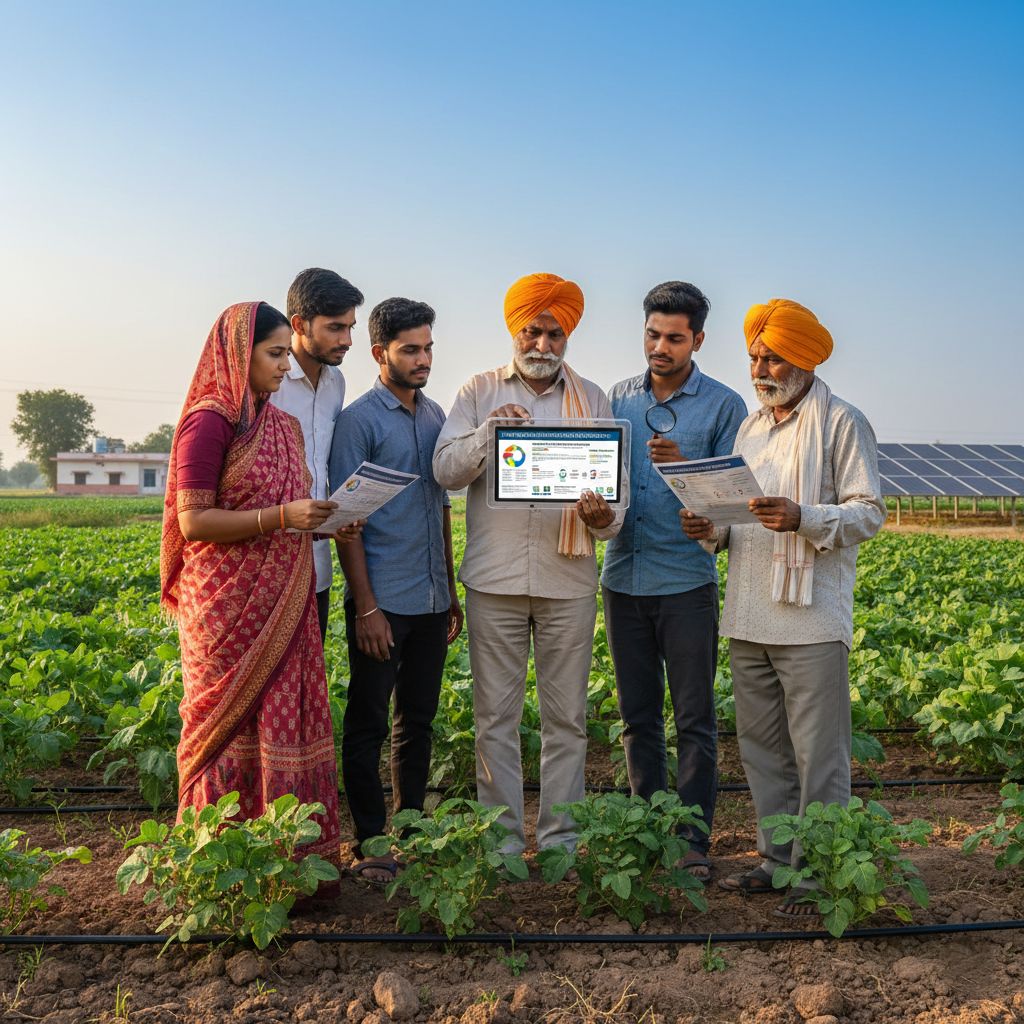
The Growing Need for Common Agricultural Benchmarks
Agriculture today faces pressure from every direction. Climate volatility, soil degradation, water stress, and market transparency demands continue to rise. Because of this, farming systems across the world now require a shared understanding of what sustainable practices actually look like.
Without clear benchmarks, sustainability remains a vague promise rather than a measurable outcome.
Fragmentation Slows Sustainable Progress
Many countries promote sustainability, yet they follow different definitions and guidelines. As a result, farmers often receive mixed signals, while buyers struggle to compare practices across regions.
This fragmentation creates three major issues. First, responsible farmers fail to receive recognition. Second, inconsistent practices weaken environmental outcomes. Third, global supply chains face trust gaps.
Therefore, unified sustainability frameworks have become essential rather than optional.
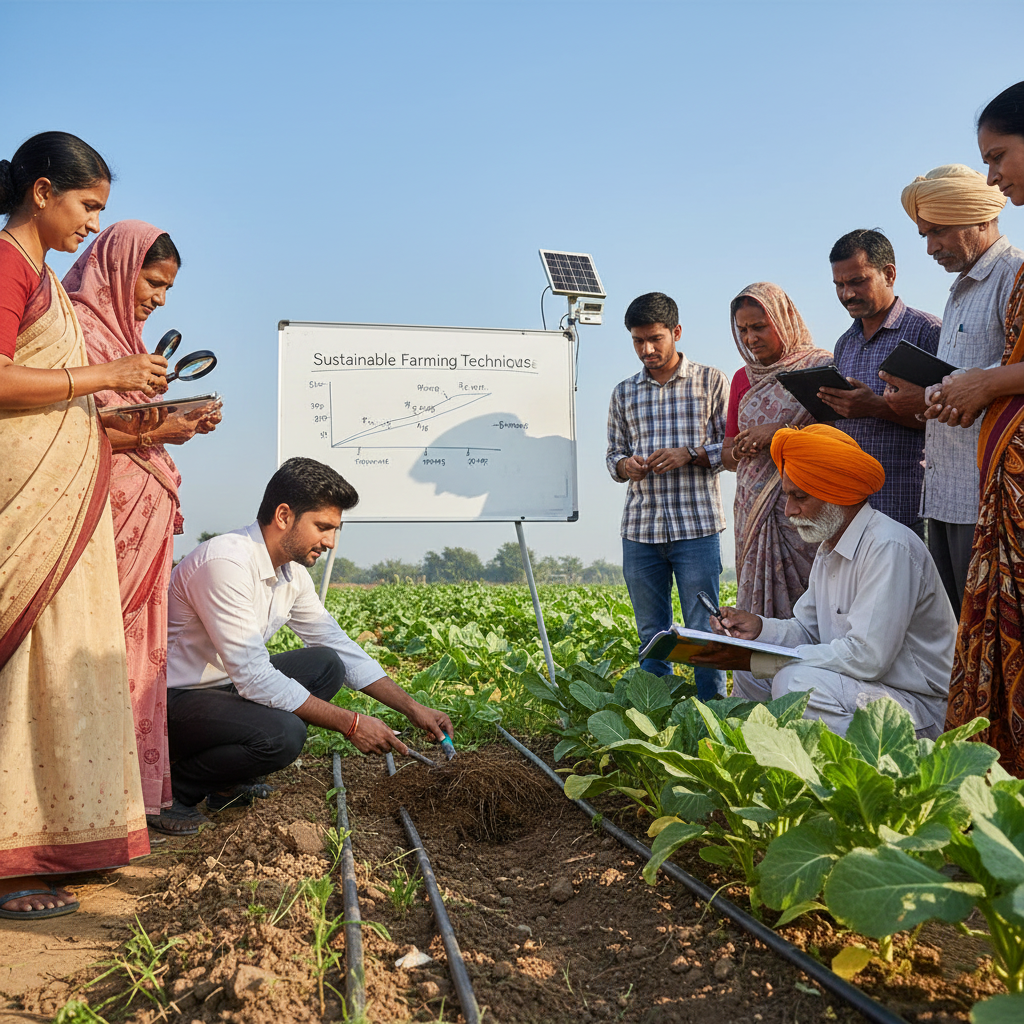
Sustainability Standards Bring Structure to Farming
Sustainability standards translate environmental goals into practical actions. They define how soil health, water efficiency, biodiversity protection, and input management should be handled on farms.
Instead of focusing on short-term output, these standards emphasize long-term land productivity and ecosystem balance. When applied correctly, they help farmers align environmental responsibility with economic stability.
Sustainable Agriculture Standards Explained
Sustainable Agriculture Standards, often referred to as SAS, provide a structured framework for responsible farming. Rather than prescribing rigid rules, SAS outlines performance-based criteria that adapt to local conditions while maintaining global consistency.
Through this approach, sustainability becomes measurable, auditable, and comparable across regions. Farmers gain clarity, and markets gain confidence.
Read more about Sustainable Agriculture Standards (SAS)
Training and Certification Strengthen Adoption
Standards alone do not create impact. Training and certification play a critical role in adoption. When farmers understand why practices matter, implementation becomes practical rather than burdensome.
Organizations such as the Global Sustainability Impact Foundation contribute by offering education, assessment, and certification pathways aligned with globally recognized sustainability principles. This approach supports farmers while maintaining credibility across international markets.
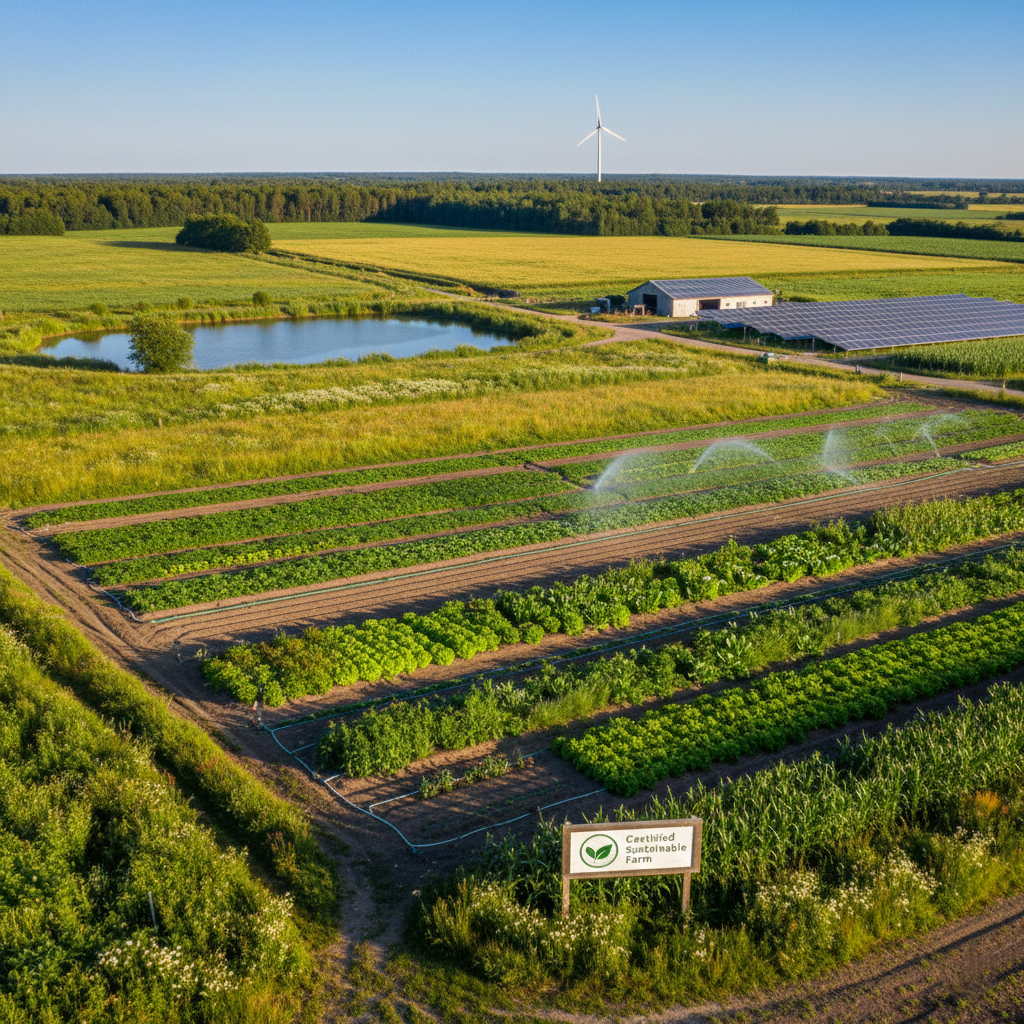
Why Markets Are Responding Positively
Buyers increasingly seek verified proof of sustainable production. As transparency expectations grow, certified farms gain stronger access to responsible supply chains.
Because standards reduce uncertainty, they also lower risk for investors, exporters, and policymakers. Sustainability, therefore, shifts from a compliance requirement to a competitive advantage.
A Path Toward Global Alignment
As agriculture adapts to climate and resource constraints, unified standards will shape its future. Clear benchmarks, combined with education and verification, offer a realistic path toward resilient food systems.
By aligning farming practices with global sustainability expectations, agriculture can protect natural resources while securing long-term productivity.
About The Author