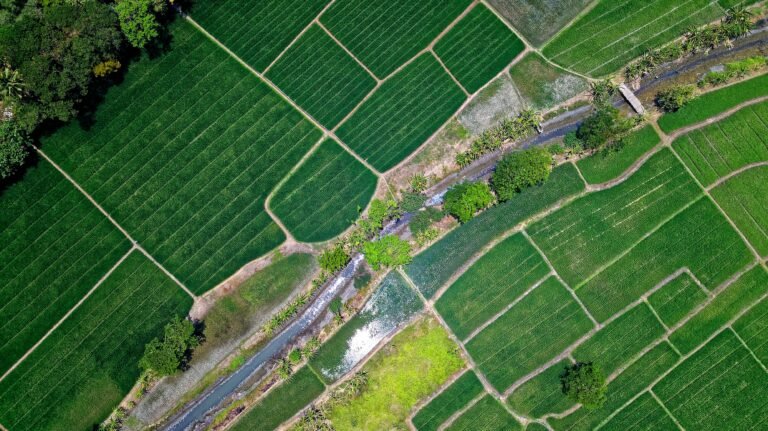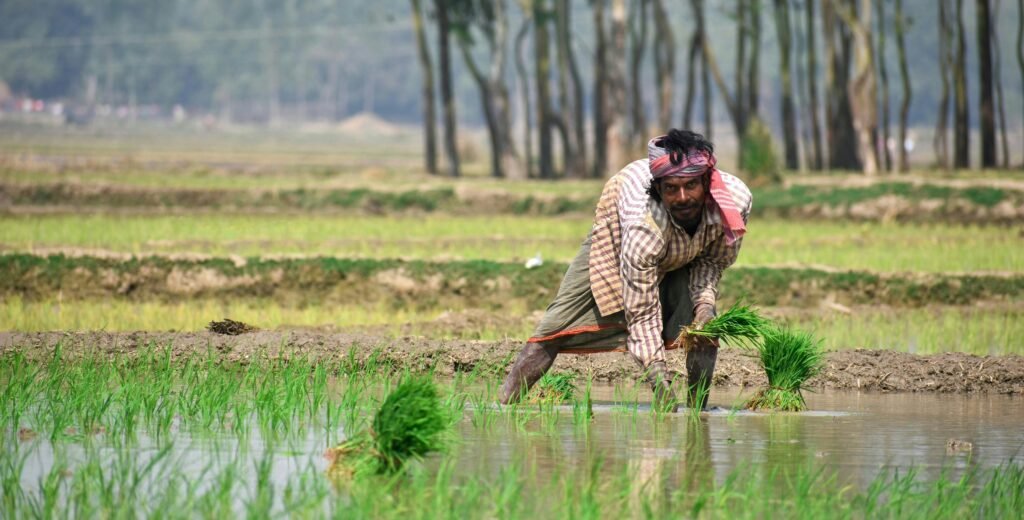
Policy experts and industry leaders are urging the government to focus on long-term structural reforms in agriculture and housing in India’s Union Budget 2026. They believe sustained investment in climate-resilient farming, balanced fertilizer usage, and stable housing incentives is essential to protect economic growth and reduce sectoral risks.
Climate Change Poses Growing Threat to Agriculture
India’s agriculture sector is increasingly vulnerable to rising temperatures and erratic weather patterns. Studies indicate that a one-degree Celsius increase in temperature could reduce crop yields by 4.5 to 9 percent, while also lowering annual GDP growth by as much as 1.5 percent.
Pushan Sharma of Crisil Intelligence has stressed the need for higher funding for the National Innovations in Climate Resilient Agriculture program. He also highlighted the importance of expanding irrigation infrastructure through schemes under the Pradhan Mantri Krishi Sinchai Yojana, including the Per Drop More Crop initiative. Greater investment in these areas could accelerate the adoption of climate adaptation technologies and widen micro-irrigation coverage across the country.
Fertilizer Rationalization and Farm Income Support Needed
Experts have also raised concerns over India’s heavy reliance on urea, which remains significantly higher than global averages. This imbalance points to the need for better fertilizer management and region-specific nutrient planning.
Programs such as PM-PRANAM and the Market Development Assistance scheme currently receive a very small share of the total fertilizer budget. Analysts recommend increasing allocations to encourage the use of organic and alternative inputs without compromising crop productivity.
To strengthen farm incomes, specialists are calling for higher funding for the PM AASHA scheme, faster direct benefit transfer payments, and stronger state-level incentives. Improved implementation could increase farmer participation and enhance income stability.
Housing and Storage Infrastructure in Focus
The real estate sector has also outlined key expectations from the upcoming budget. Ashok Kapur of the Krishna Group has suggested extending the Credit Linked Subsidy Scheme and introducing incentives for green housing projects. According to industry leaders, these measures would help sustain housing demand and support urban development.
Meanwhile, Aditya Sesh of Basiz has emphasized the importance of investing in rural storage infrastructure. He has advocated for the expansion of micro-warehouses, cold storage facilities, and the wider use of e-Negotiable Warehouse Receipts. These initiatives could improve farmer access to credit, reduce distress sales, and strengthen supply chains.
Overall, experts believe that aligning agriculture, housing, and infrastructure policies with long-term resilience goals will be critical for maintaining economic stability in the years ahead.
About The Author