Amazon is expanding its water sustainability initiatives by investing in projects that conserve and restore water resources across several regions. As a result, these efforts directly support the company’s goal of becoming water positive by 2030. In particular, Amazon is focusing on water use linked to AWS data centers, which continue to grow alongside digital demand.
Aquifer Recharge Project in Oregon

In Oregon, Amazon has partnered with the City of Hermiston on an aquifer storage and recovery program. Through this collaboration, the project is designed to improve long-term water availability in the region. Initially, the initiative is expected to replenish about 400 million gallons of groundwater by 2027. Over time, and under a 25-year agreement, this figure will increase to nearly 1.2 billion gallons every year by 2030.
Because of this effort, local farmers, residents, and businesses that depend on the aquifer will benefit from improved water security. Moreover, the project supports sustainable water management during periods of drought and rising demand.
Water Conservation Programs in Indiana
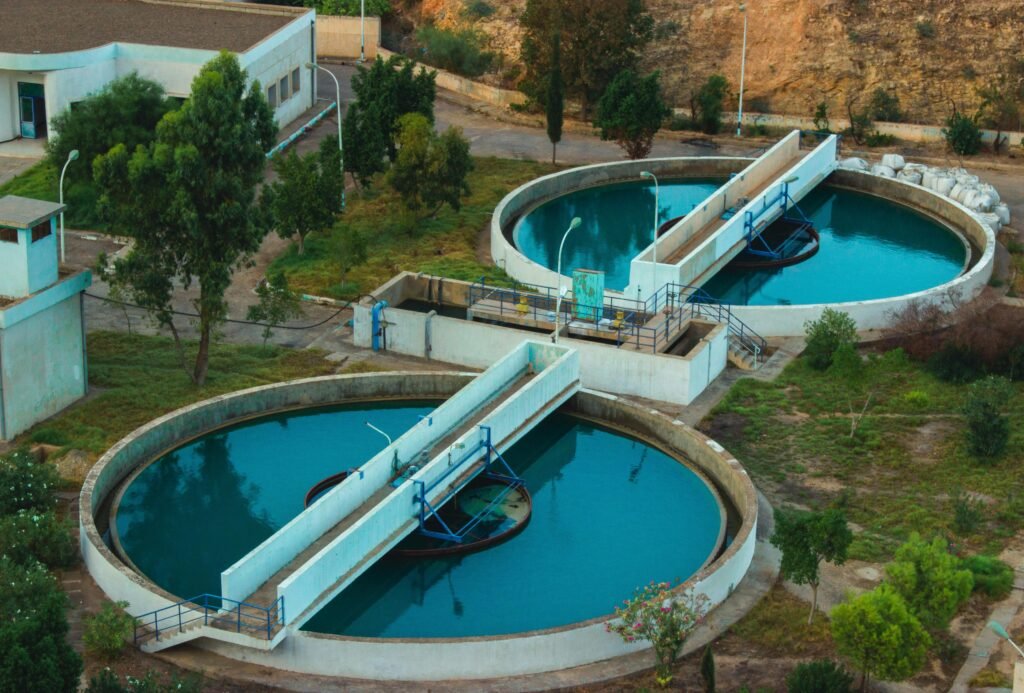
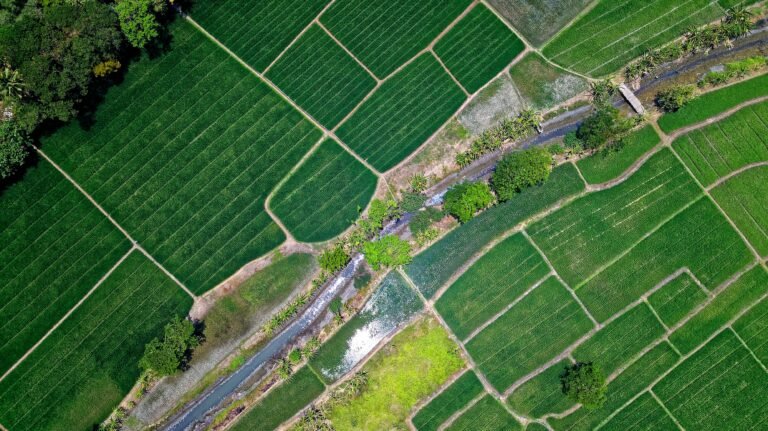
At the same time, Amazon is investing in water efficiency programs in northwest Indiana. For example, one initiative introduces AI-powered smart irrigation technology in the Kankakee Aquifer region through a partnership with Arable. By using real-time rainfall data and crop conditions, the system adjusts irrigation schedules. As a result, unnecessary water use is reduced.
In addition, Amazon is working with The Wetlands Initiative on a Smart Wetland project. Through natural processes, this system filters excess nutrients from water before it flows back into the environment. Together, these two projects are expected to conserve or improve nearly 100 million gallons of water each year.
Efficient Water Use Across AWS Data Centers
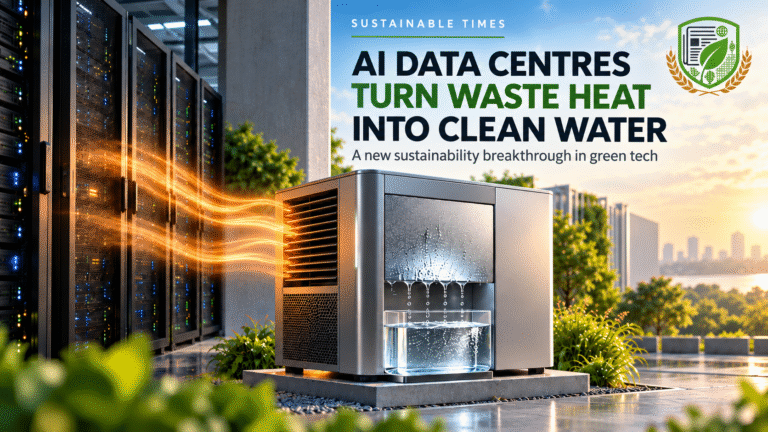
Meanwhile, water efficiency remains a priority for Amazon Web Services. Since 2021, AWS data centers have improved global water usage efficiency by around 40 percent. Currently, operations average about 0.15 liters of water per kilowatt-hour.
Because of ongoing innovation, these improvements reflect better cooling technologies and more efficient operational practices. Consequently, AWS is able to reduce water consumption while maintaining reliable service delivery.
AI-Led Collaboration for Water Management
Beyond infrastructure upgrades, Amazon is also promoting collaboration across the industry. To address rising water demand linked to data center expansion and artificial intelligence workloads, the company has launched the Water-AI Nexus Center. Through this platform, Amazon shares AI-driven tools for leak detection, flood prediction, and irrigation planning with utilities and technology partners.
Looking ahead, these tools are expected to improve water efficiency across more than 120 locations in the United States by 2030. Ultimately, Amazon aims to balance innovation with responsible water stewardship while supporting the communities where it operates.
About The Author