Singapore has announced a new levy on air travel to speed up the use of sustainable aviation fuel, strengthening Southeast Asia’s move toward cleaner aviation as global energy policies shift.
How the Levy Will Work
The levy will apply to passengers departing from Changi Airport. It will affect tickets purchased after April 1, with enforcement beginning on October 1.
Depending on flight distance, passengers will pay between 75 cents and $32 per ticket. Cargo operators will also pay the levy, which authorities will calculate based on distance and aircraft weight. Airlines must display the charge clearly on tickets to ensure transparency.
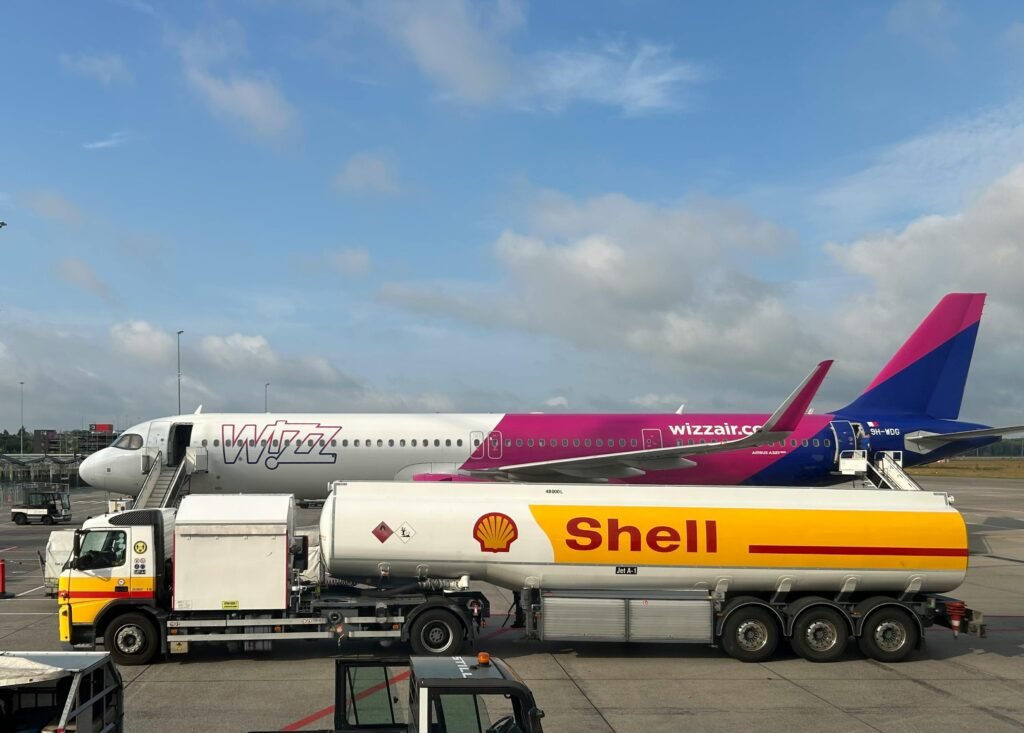
Singapore will use the revenue to purchase sustainable aviation fuel made from waste materials such as used cooking oil. Airlines can use this fuel in existing aircraft without technical changes.
Southeast Asia Expands SAF Production
Singapore already hosts the largest sustainable aviation fuel plant in Southeast Asia. The country plans to begin construction of a more advanced facility later this year. This supply already supports airlines such as JetBlue and Singapore Airlines.
The wider region continues to expand production capacity. Thailand opened a SAF facility near Bangkok in 2025. Malaysia, Vietnam, and Indonesia increased output last year. Experts say these investments show growing confidence in SAF across Southeast Asia.
Global Policy Shifts Create New Opportunities
Changes in clean energy policies under the Trump administration have slowed sustainable aviation fuel growth in the United States. This shift followed a period of rapid expansion when U.S. SAF production doubled under earlier incentives.
As a result, analysts see stronger opportunities for Asian producers to lead global supply. The impact of Singapore’s levy could be significant. Changi Airport handled about 70 million passengers in 2025, giving the policy strong revenue potential and regional influence.
About The Author