Ten years after the Paris Agreement came into force, new climate data shows that the planet is warming faster than scientists previously expected. Global temperatures continue to rise, oceans are absorbing record levels of heat, and sea levels are climbing steadily. Together, these trends signal that the world is entering a more dangerous phase of the climate crisis.
Despite years of international negotiations and pledges, the pace of change on the ground remains slow. Experts warn that without stronger action, the gap between climate goals and reality will continue to widen.
Global Temperatures and Oceans Reach New Extremes
Since the mid-2010s, global temperatures have accelerated sharply. Data from multiple climate monitoring agencies indicates that 2025 is on track to rank among the three hottest years ever recorded. This rise is not limited to land. Ocean temperatures have also reached unprecedented levels, setting new records for heat absorption.
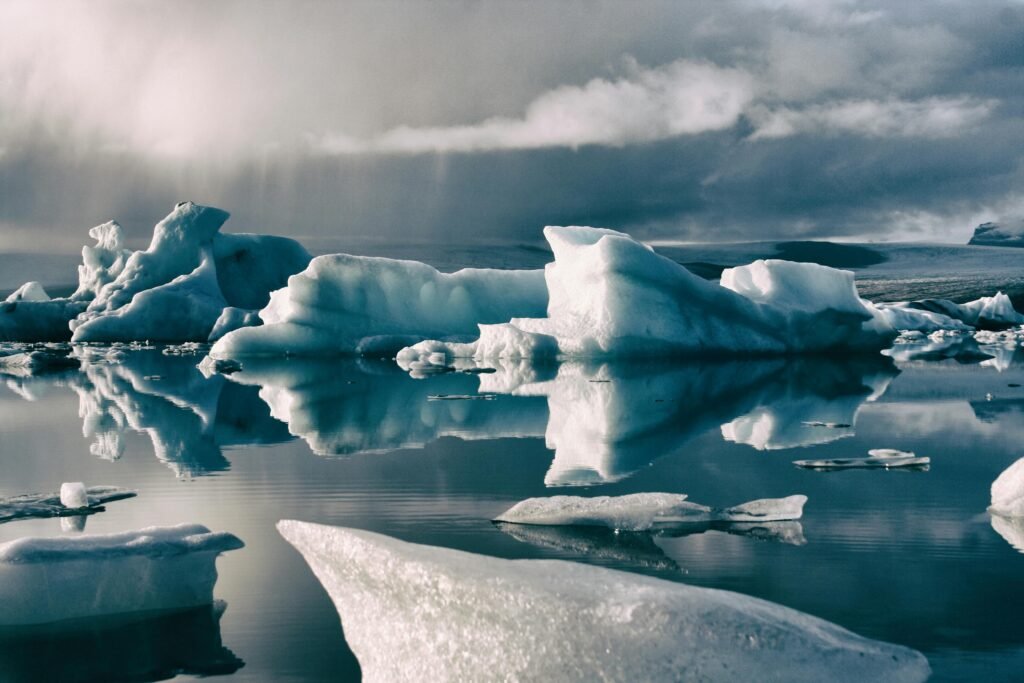
Warming oceans are contributing to faster sea level rise as water expands and land-based ice melts. At the same time, polar sea ice continues to shrink, reducing the planet’s ability to reflect sunlight and further intensifying warming.
Greenhouse gas concentrations are a major driver behind these changes. Atmospheric levels of carbon dioxide, methane, and nitrous oxide have all climbed to record highs. Scientists say these gases are trapping more heat than at any point in modern history.
Emissions Continue to Rise Despite Climate Pledges
The outlook for global emissions remains concerning. According to a recent analysis by more than 130 climate scientists, fossil fuel carbon dioxide emissions are expected to increase by around 1.1 percent next year.
The remaining carbon budget to keep global warming within 1.5 degrees Celsius is rapidly shrinking. Researchers estimate that only about 170 billion tonnes of CO2 can still be emitted. At current rates, that budget could be exhausted in roughly four years.
Emissions are projected to rise in major economies, including China, India, the United States, and the European Union. While renewable energy capacity is expanding in many regions, it is not yet enough to offset continued reliance on fossil fuels.
Has the Paris Agreement Delivered Enough?
Climate experts acknowledge that the Paris Agreement helped slow the growth of emissions by setting global targets and increasing transparency. However, they also agree that current commitments fall far short of what is needed.
If existing national pledges remain unchanged, global temperatures could rise by around 2.6 degrees Celsius by the end of the century. Such a scenario would significantly increase the risks of extreme heat, droughts, floods, and food insecurity.
Political momentum has weakened in recent years, with several countries delaying or softening climate policies. Analysts say this hesitation is one of the biggest obstacles to closing the emissions gap.
What Needs to Happen Next
Experts stress that the coming decade will be decisive. Priority actions include accelerating the phaseout of fossil fuels, scaling up renewable energy, and improving energy efficiency across industries.
Climate finance is another critical area. Developing and climate-vulnerable nations need greater financial support to adapt to impacts they did little to cause. Without adequate funding, global progress will remain uneven and fragile.
Scientists warn that climate signals are becoming clearer and more urgent. The choices made now will determine whether the goals of the Paris Agreement remain within reach or slip permanently out of sight.
About The Author