Companies, governments, and innovators are accelerating sustainability efforts as pressure grows to reduce emissions and waste. Recent developments across manufacturing, shipping, industry, and policy show how climate action is moving from commitments to execution.
Cleaner Energy in Botanical Manufacturing
K. Patel Phyto Extractions has removed coal entirely from its manufacturing processes since July last year. This decision marks a major shift for an industry known for high thermal energy use. As a result, the company has significantly reduced energy-related emissions.
At the same time, product quality has remained consistent. The company continues to supply botanical extracts for food, dietary supplements, and personal care products. This progress shows that cleaner energy can support both sustainability and commercial performance.
Green Fuels Enter Ocean Shipping
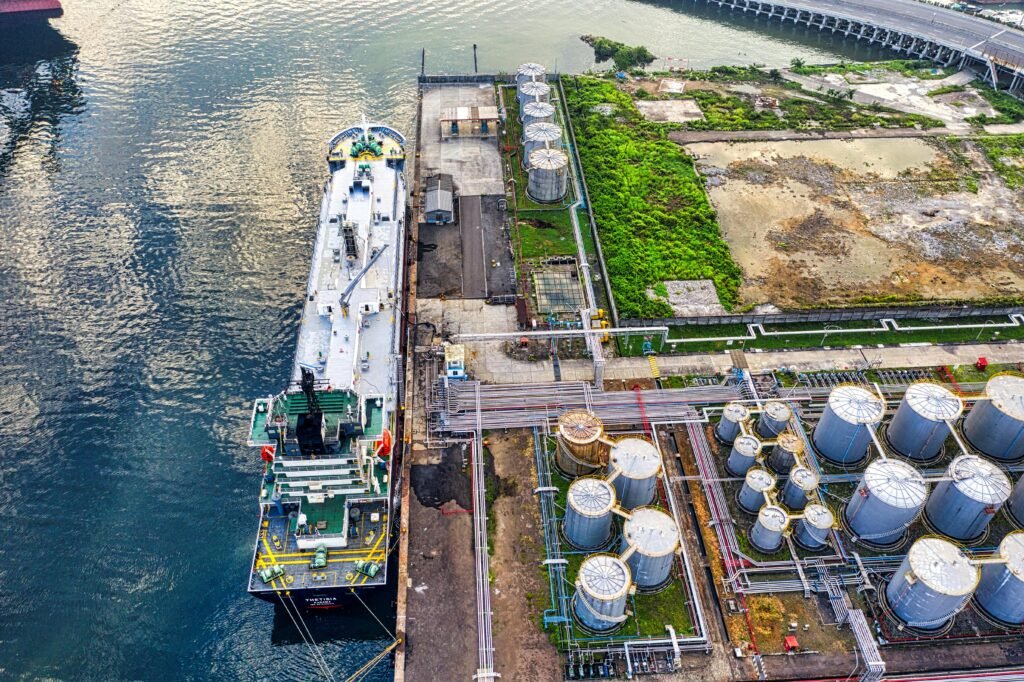
Meanwhile, Cargill has launched its first dual-fuel bulk carrier powered by green methanol. The vessel, Brave Pioneer, is part of a five-ship fleet designed to cut emissions from maritime transport.
Shipping accounts for a large share of global emissions. Therefore, Cargill is using real-world trials and industry partnerships to test how alternative fuels perform at scale. These efforts could shape the future of low-carbon ocean freight.
Finland Advances Industrial Heat Storage
In addition, Finland has introduced sand-based heat storage as a solution for industrial emissions. Industry consumes nearly one-fifth of global energy, which makes efficiency gains essential.
This technology captures excess heat and stores it for later use. As a result, factories can reduce fuel demand while improving overall energy efficiency. The approach offers a practical pathway for cleaner industrial operations.
EU Targets Textile Waste
On the policy front, the European Union has introduced rules that prohibit the destruction of unsold clothing and footwear. These measures fall under updated Ecodesign regulations.
The rules push brands to reuse, recycle, or resell unsold items. Consequently, the EU aims to reduce textile waste and strengthen circular business practices across member states.
Legal Challenge Over Lithium Mining in Portugal
At the same time, environmental groups have taken legal action against the EU over a lithium mining project in Portugal. Authorities granted the project strategic status, which allowed it to move forward quickly.
However, campaigners argue that regulators failed to fully assess risks to ecosystems and local communities. The lawsuit calls for a fresh review based on new environmental evidence.
A Broader Shift Toward Accountability
Together, these developments highlight a broader shift toward accountability in sustainability. Companies are cutting emissions, governments are tightening regulations, and civil society is demanding stronger oversight. This momentum suggests climate action is becoming an operational priority rather than a long-term promise.
About The Author