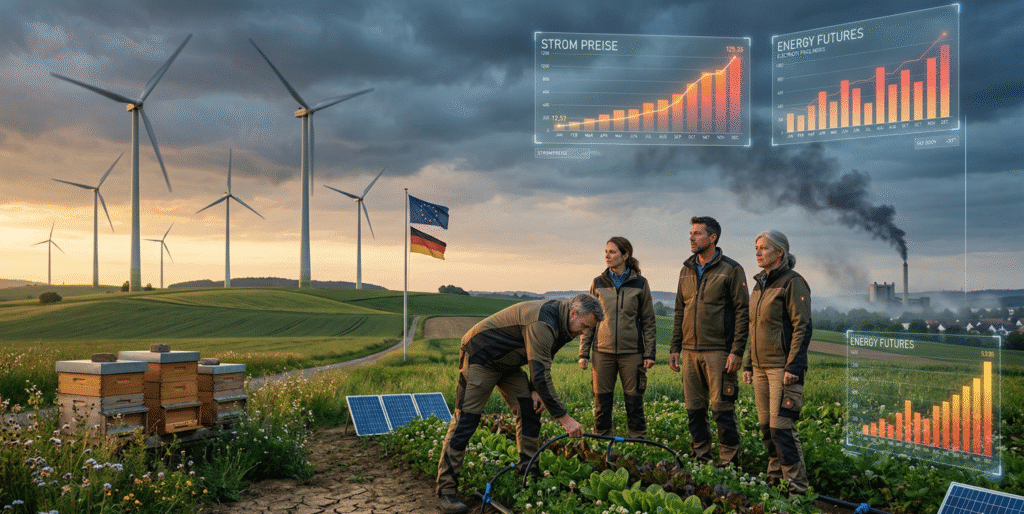
European leaders have decided to ease some of their climate commitments as the ongoing conflict in Iran continues to disrupt global energy markets. The crisis has pushed fuel prices higher and increased pressure on power systems across the continent.
Energy Supply Concerns Drive Policy Shift
The decision follows months of instability in oil and gas supplies. The conflict has reduced exports from key regions, creating uncertainty in the market.
At the same time, energy demand has increased due to seasonal needs. Renewable sources such as wind and solar have also shown inconsistent output due to changing weather conditions. As a result, leaders have prioritized energy security.
Several countries will now delay the closure of certain fossil fuel power plants. Governments are also introducing temporary financial support for households and industries facing high energy costs.
EU Maintains Long-Term Climate Commitment
During a press briefing in Brussels, EU Climate Commissioner Lena Vogt confirmed that the region remains committed to its long-term goals.
She stated that Europe still aims to achieve net-zero emissions by 2050. However, she emphasized the need for flexibility in the current situation to avoid blackouts and economic disruption.
Under the revised plan, some member states will get up to three extra years to meet carbon-neutral electricity targets. The strategy also includes increased investment in natural gas as a transitional energy source.
Impact on Agriculture and Clean Energy Sectors
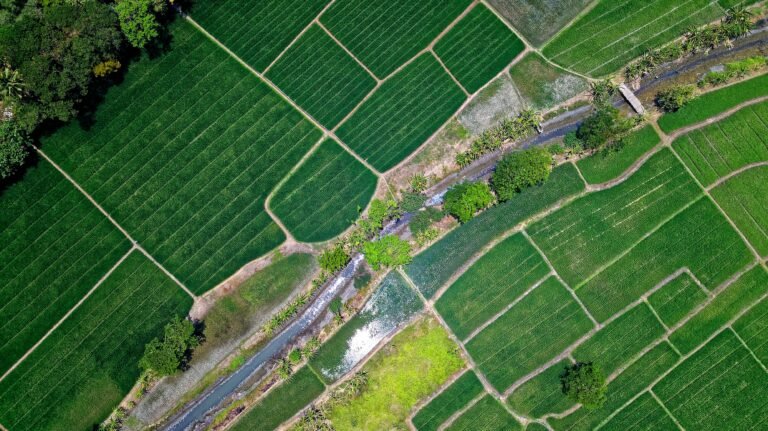
The effects of the crisis are spreading beyond the energy sector. Farmers in countries like Netherlands and Germany are facing rising fertilizer costs.
These costs are closely linked to energy prices. This may slow the adoption of sustainable farming practices in the near term.
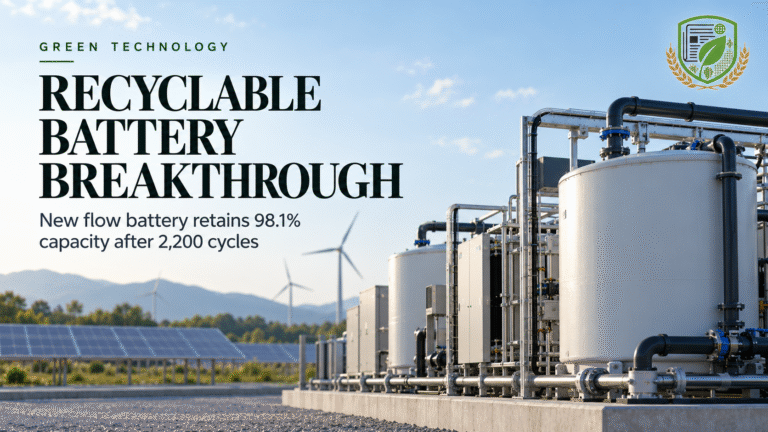
On the other hand, companies in solar power and battery storage are seeing new opportunities. Increased investment in grid upgrades could support long-term clean energy growth.
Mixed Reactions from Experts and Activists
The decision has received mixed reactions across Europe. Environmental groups have raised concerns about the potential impact on global climate leadership.
Maria Silva of the European Green Alliance described the move as a setback. She warned that it could slow progress at a crucial time for clean energy innovation.
However, supporters argue that the adjustment is necessary. They believe it will help countries manage immediate challenges while continuing long-term sustainability efforts.
Markets Respond Positively
Financial markets reacted positively to the announcement. European energy stocks rose by around 2 to 3 percent in early trading.
The development highlights a growing challenge. Governments must balance climate goals with geopolitical and economic realities. This trend is likely to influence global sustainability strategies in the coming years.
About The Author