Global Shift Toward Practical Climate Action
Sustainability is moving into a more execution-focused phase as governments, businesses, and investors work to align climate goals with economic growth and industrial competitiveness.
Across global markets, decision makers are no longer only setting long term targets. The focus is now shifting toward practical implementation, investment efficiency, and maintaining stability during the energy transition.
This shift reflects a broader reality. Climate goals must now operate within real world economic pressures, including inflation, supply chain constraints, and industrial demand.
Energy Transition Remains the Central Focus
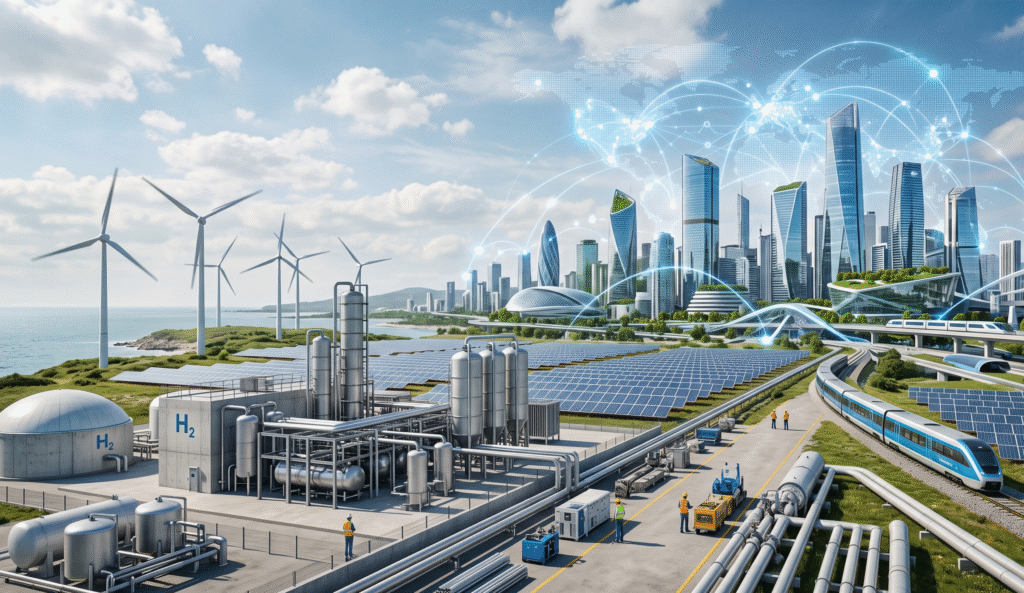
The energy sector continues to be one of the most closely watched areas in the global sustainability landscape.
Countries and companies are working to scale renewable energy while also ensuring that power supply remains stable and affordable. Infrastructure upgrades and fuel transition strategies are being planned in a way that avoids major disruption for consumers and industries.
Investment in clean technologies continues to grow. However, the emphasis is increasingly on practical deployment rather than announcements alone.
Supply Chains and Business Strategy Are Evolving
Sustainability is also reshaping global supply chains.
Companies are focusing more on resilience, responsible sourcing, and efficiency as regulatory expectations continue to evolve. Many organizations are redesigning their operations to better handle environmental risks and market uncertainty.
This is pushing sustainability deeper into core business strategy rather than treating it as a separate initiative.
Corporate Accountability and Reporting Standards Increase
Corporate governance is becoming a key part of the sustainability conversation.
Businesses are under growing pressure to improve transparency in sustainability reporting. Investors and regulators are demanding clearer disclosure on environmental impact, long term planning, and governance standards.
As a result, companies are moving away from broad commitments and toward measurable performance indicators.
Social Impact and Workforce Transformation Gain Attention
Sustainability is no longer limited to environmental outcomes.
Workforce practices, social responsibility, and industrial transformation are now central to how progress is evaluated. Companies are being asked to show how their operations support both environmental goals and economic stability.
This broader approach is reshaping how industries define responsible growth.
Focus Shifts Toward Measurable Outcomes
Experts suggest that the next phase of sustainability will depend heavily on execution rather than announcements.
There is a growing emphasis on scalable solutions, real world impact, and policies that can deliver measurable results. Organizations are expected to demonstrate progress in a way that is both transparent and verifiable.
Sustainability is increasingly becoming a core part of business strategy and policy making rather than a standalone agenda.
About The Author