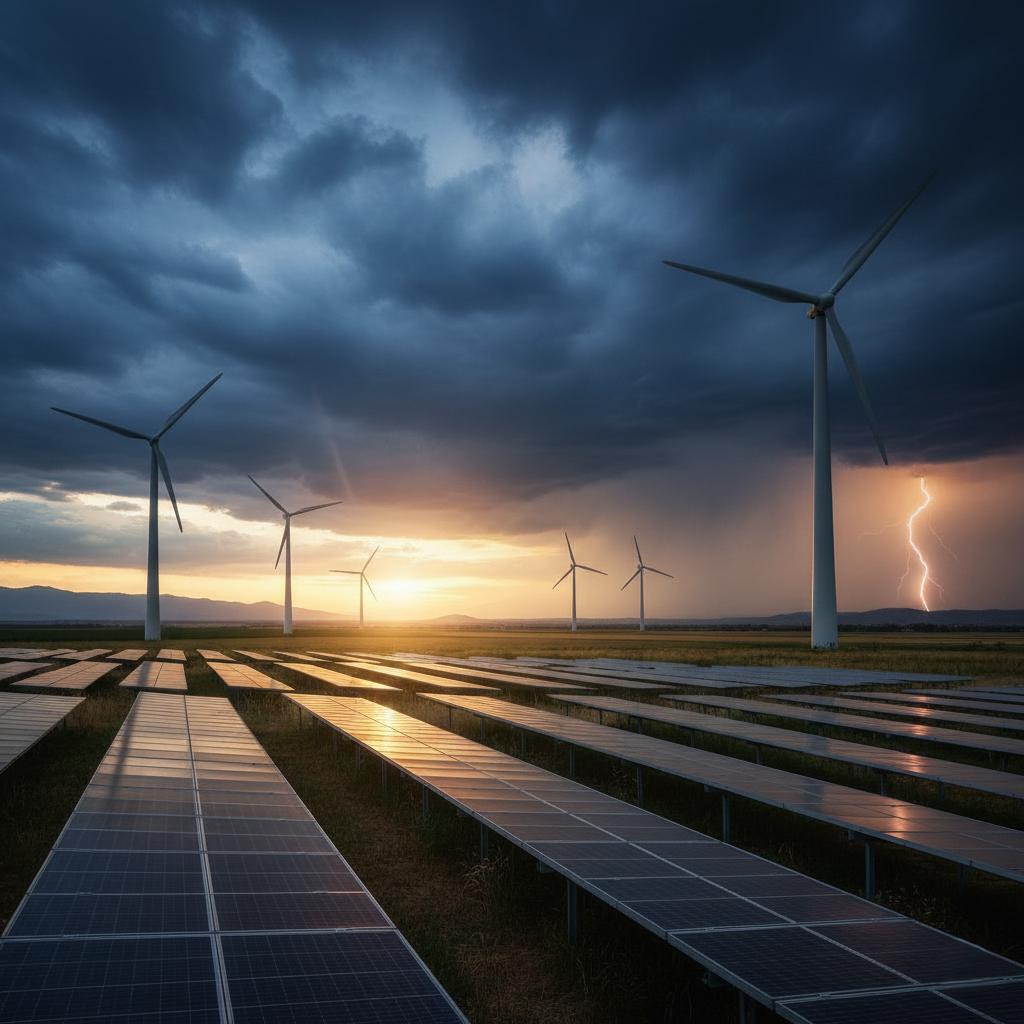
Climate change has become one of the most searched and discussed sustainability topics worldwide, and for good reason. Rising global temperatures, extreme weather events, melting glaciers, and unpredictable rainfall patterns are no longer future warnings-they are present-day realities. At the center of the global response lies a critical solution: the transition to renewable energy.
Governments, industries, farmers, and communities are increasingly recognizing that clean energy is not just an environmental choice, but an economic and social necessity.
Why Climate Change Is Driving the Renewable Energy Shift
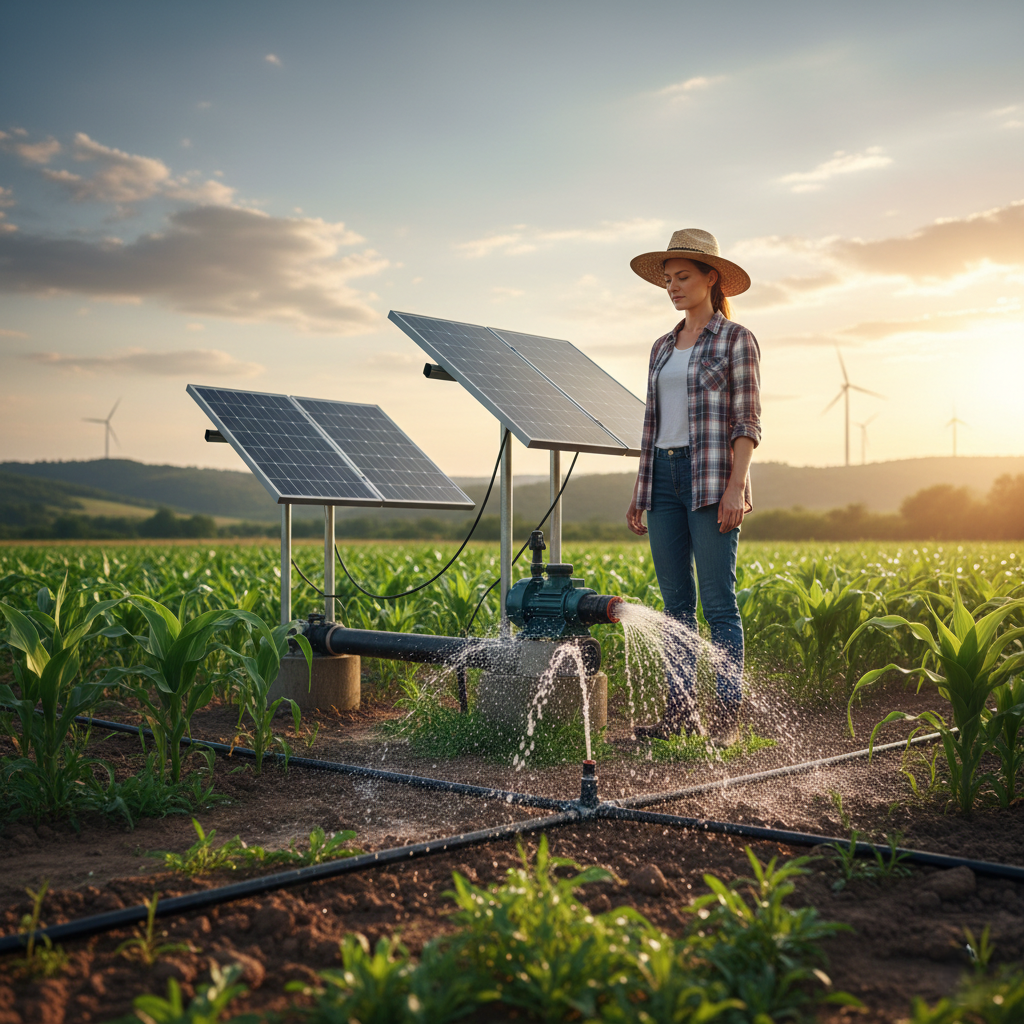
Fossil fuels remain the largest contributors to greenhouse gas emissions. Power generation, transportation, and industrial activities account for a significant share of global carbon output. As awareness grows, countries are under pressure to reduce emissions while meeting rising energy demands.
Renewable energy sources such as solar, wind, hydro, and bioenergy offer a sustainable alternative. They produce little to no emissions, reduce dependence on imported fuels, and provide long-term energy security. This combination makes renewable energy one of the most searched and discussed sustainability solutions today.
Impact on Agriculture and Rural Communities
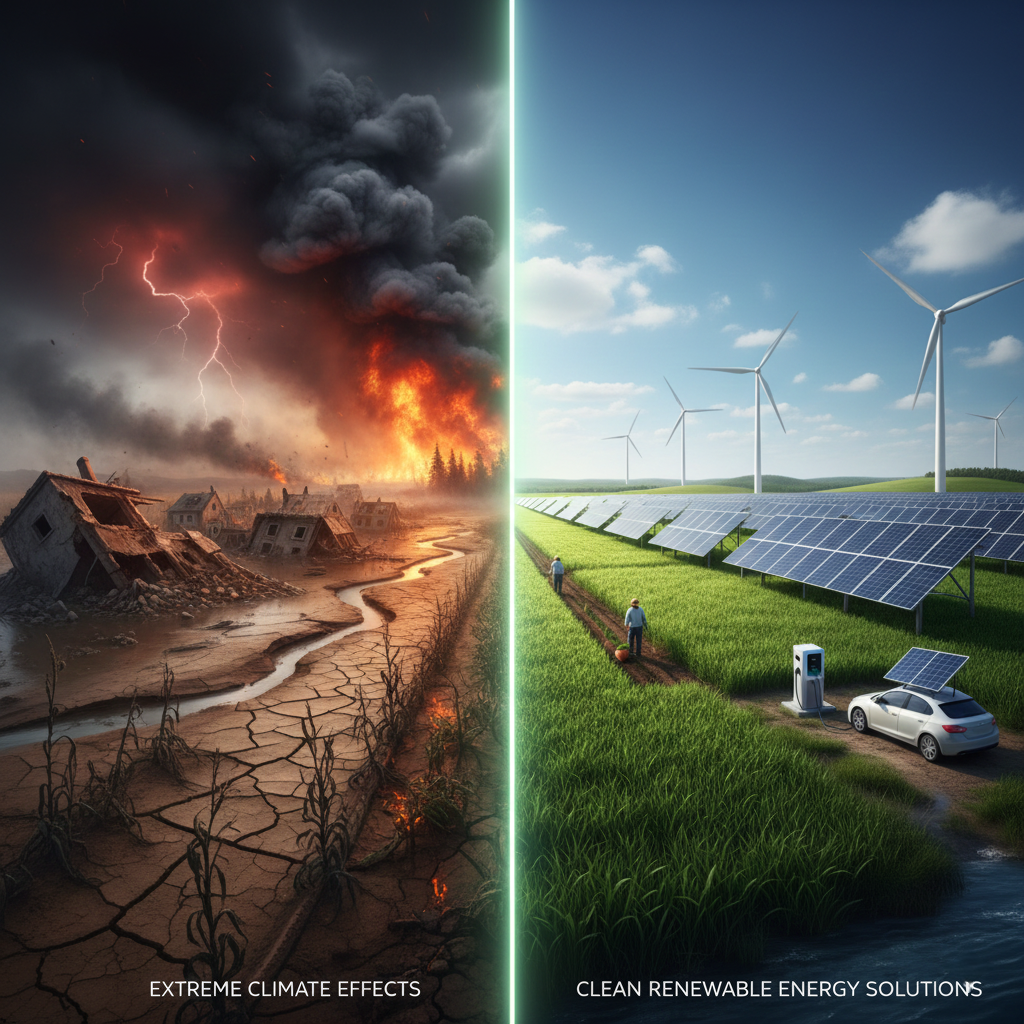
Climate change directly affects agriculture through heat stress, water scarcity, and changing growing seasons. Renewable energy is emerging as a vital tool for farmers to adapt and reduce costs.
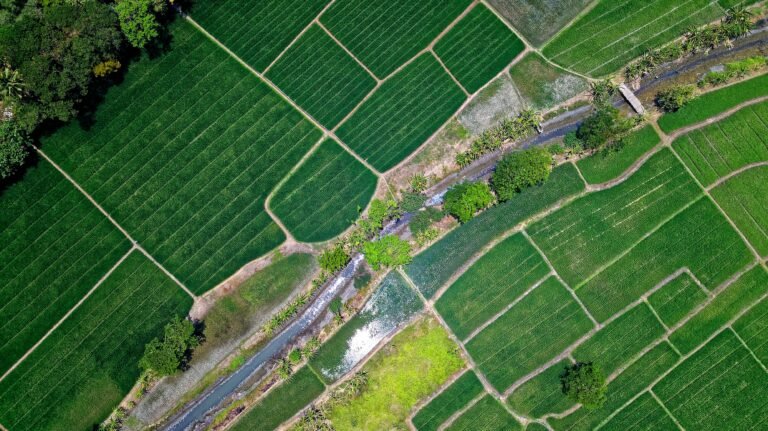
Solar-powered irrigation systems, biogas plants using agricultural waste, and wind-powered water pumps are helping farmers lower fuel expenses and reduce emissions. These technologies also improve energy access in remote rural areas, supporting productivity and resilience.
For farming communities, renewable energy represents both climate adaptation and economic opportunity.
Economic Growth and Green Jobs
The renewable energy sector is one of the fastest-growing employment generators globally. From solar panel installation and wind turbine manufacturing to maintenance and research, green energy is creating millions of jobs.
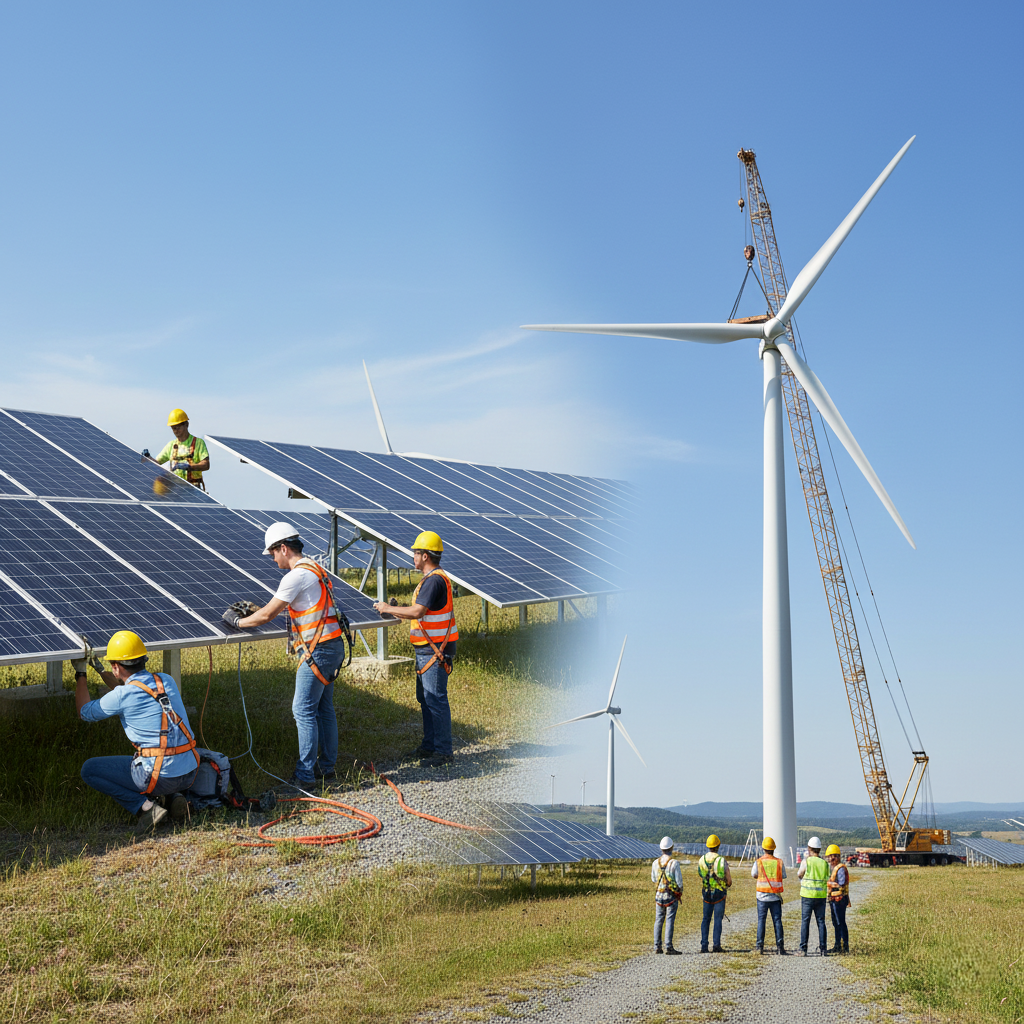
Businesses are increasingly investing in clean energy to meet sustainability targets, reduce operational costs, and align with environmental, social, and governance (ESG) standards. This shift is strengthening the green economy while encouraging innovation across industries.
Role of Governments and Policy Support
Government policies play a crucial role in accelerating the energy transition. Incentives, subsidies, carbon pricing mechanisms, and clear regulatory frameworks encourage investment in renewable infrastructure.
Many countries have set ambitious net-zero targets, signaling a long-term commitment to sustainability. Public awareness and support further strengthen these efforts by driving demand for clean energy solutions and accountability.
Challenges in the Energy Transition
Despite progress, challenges remain. Energy storage, grid integration, initial investment costs, and access to technology can slow adoption-especially in developing regions.
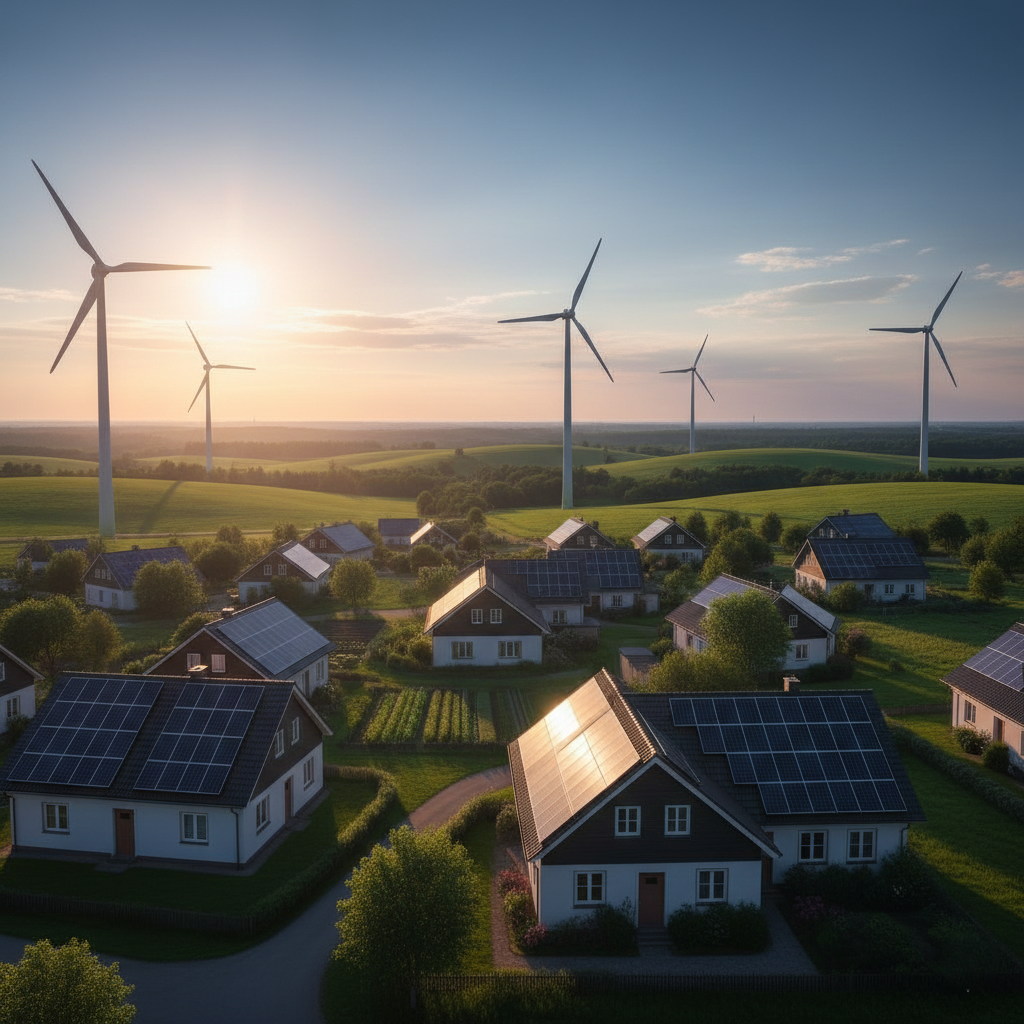
However, continued research, public-private partnerships, and international cooperation are helping overcome these barriers. As awareness increases, solutions are becoming more affordable and scalable.
Why Awareness Matters More Than Ever
Public awareness is the driving force behind climate action. When people understand the connection between energy choices, climate change, and everyday life, they are more likely to support renewable energy projects, adopt energy-efficient practices, and demand sustainable policies.
Climate change is a global challenge, but the transition to renewable energy offers a shared opportunity to protect the planet, strengthen economies, and secure a sustainable future for generations to come.
About The Author






4 thoughts on “Climate Change and the Renewable Energy Transition: Why the World Is Racing Toward a Sustainable Power Future”