Why Sustainable Agriculture Needs a Global Framework
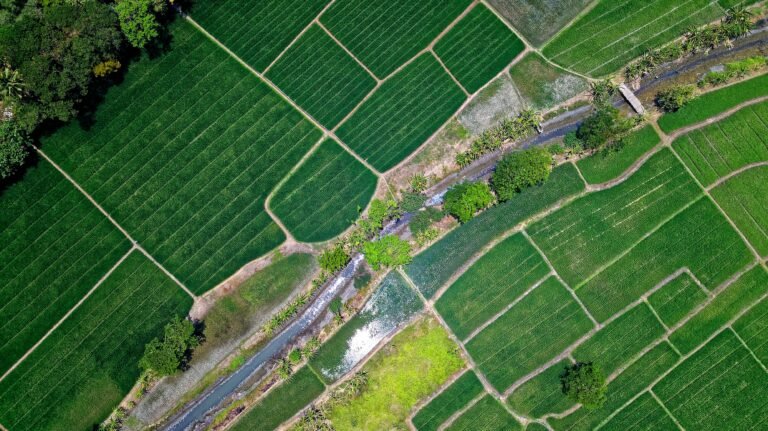
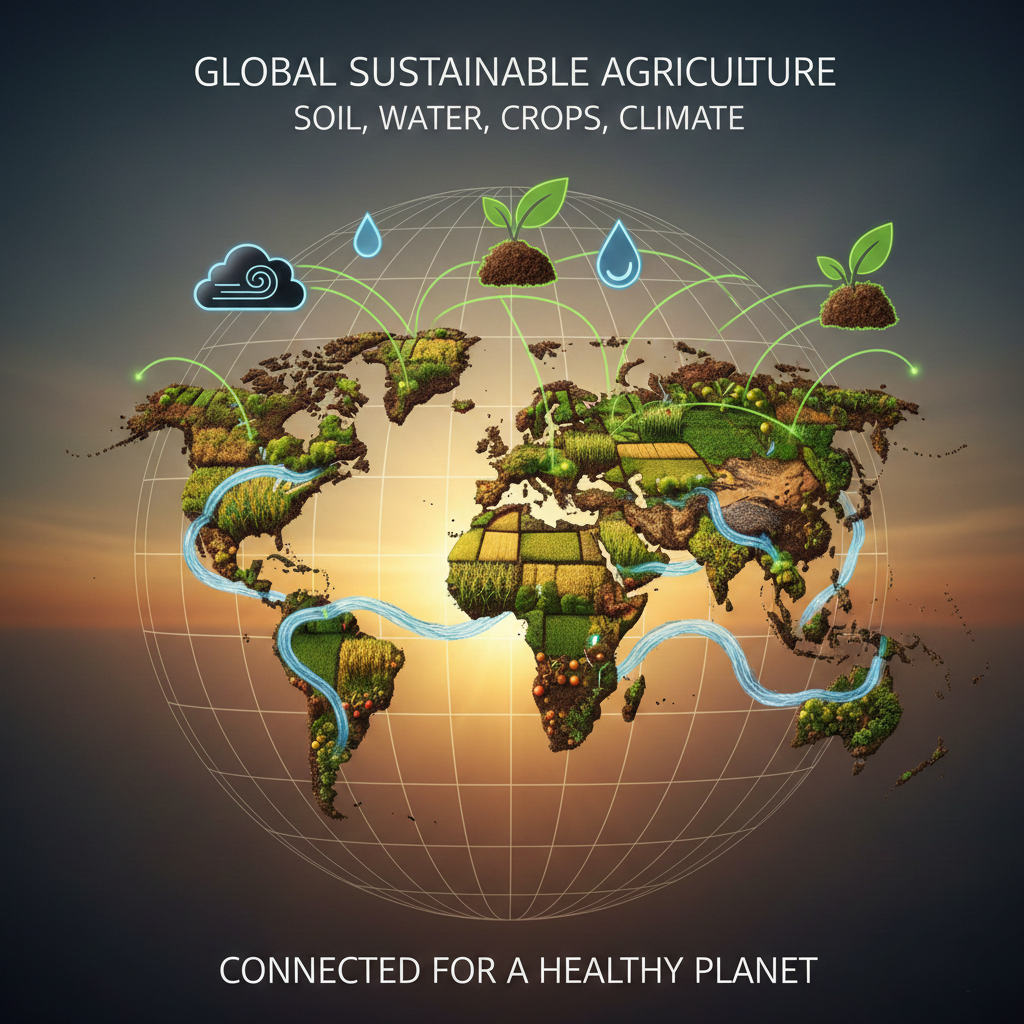
Global agriculture stands at a critical crossroads. Climate change, soil degradation, water scarcity, and rising food demand are reshaping how food is produced worldwide. Because of these pressures, sustainability has shifted from an abstract idea to a practical requirement.
Farmers, governments, and food companies now demand clear systems that define responsible farming. This need has led to the development of Sustainable Agriculture Standards, commonly known as SAS, which provide a structured global framework for sustainable farming practices.
What Are Sustainable Agriculture Standards
Sustainable Agriculture Standards define clear, science-based guidelines that help farmers produce food responsibly. Instead of focusing only on yield, SAS emphasizes how farming impacts soil, water, ecosystems, and long-term productivity.
These standards translate sustainability into actionable practices. They guide farmers on soil care, water use, crop management, and responsible input application. At the same time, SAS remains flexible enough to adapt to different climates, crops, and farm sizes.
As a result, sustainability becomes practical rather than theoretical.
Why a Global Framework Matters
Without a shared framework, sustainability claims vary widely. What one region considers sustainable may not meet expectations elsewhere. This lack of consistency weakens trust across global food systems.
SAS solves this challenge by aligning sustainability principles across regions. It creates a common understanding of responsible farming while allowing local adaptation. Because of this balance, farmers, buyers, and policymakers can evaluate sustainability with greater confidence.
Core Principles Behind Sustainable Agriculture Standards
Although implementation differs by region, SAS follows a consistent set of principles that support long-term agricultural resilience.
The framework focuses on:
- Improving and protecting soil health
- Promoting efficient and responsible water use
- Reducing environmental harm from agricultural inputs
- Supporting biodiversity and ecosystem balance
- Encouraging continuous improvement through monitoring
Together, these principles ensure that sustainability remains measurable, achievable, and scalable.
How SAS Supports Farmers in Real Conditions
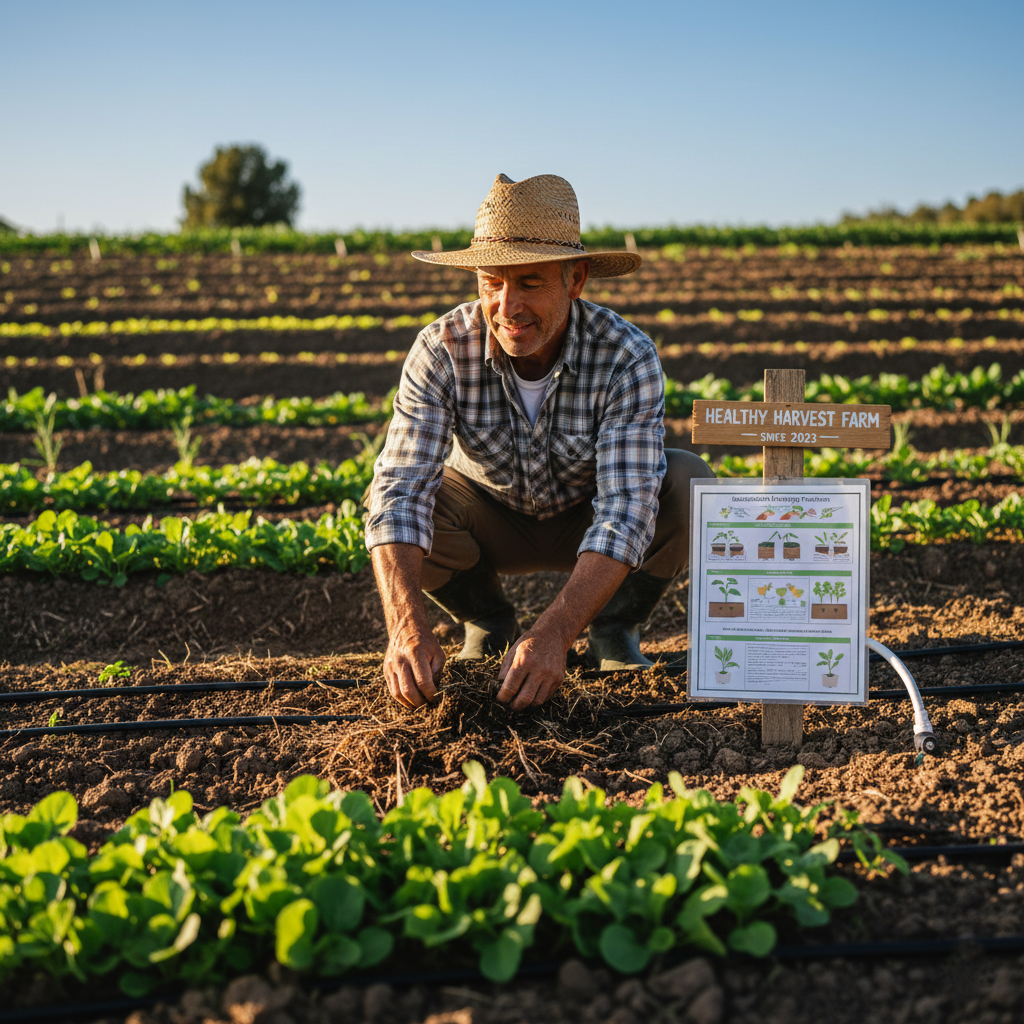
Many farmers want to adopt sustainable practices but lack clear direction. SAS addresses this gap by offering a structured roadmap instead of vague expectations.
By following SAS-aligned practices, farmers improve soil fertility, reduce input dependency, and strengthen resilience against climate-related risks. Over time, these improvements support stable yields and better economic outcomes.
In addition, farms aligned with recognized standards find it easier to meet regulatory requirements and buyer expectations.
Certification and Training Strengthen SAS Adoption
Standards alone cannot drive change. Effective adoption depends on education and verification. Therefore, training and certification form essential parts of the SAS framework.
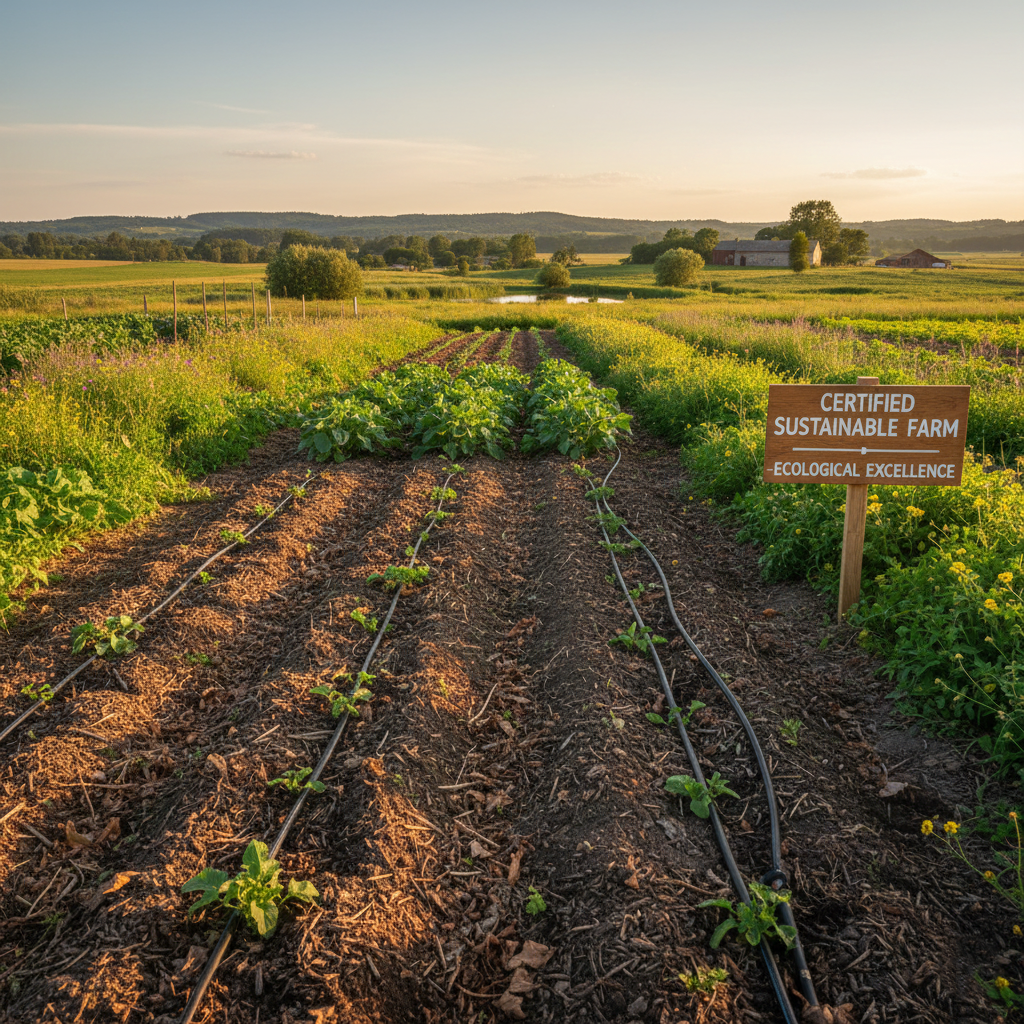
Training helps farmers understand sustainable practices in practical terms. Certification then verifies that farms follow defined benchmarks. Together, these steps turn sustainability into a continuous improvement process rather than a one-time effort.
The Global Sustainability Impact Foundation (GSIF) supports this process by delivering SAS-based training and certification programs that help farmers align with global sustainability expectations.
SAS and the Future of Global Food Systems
As sustainability regulations tighten and transparency demands increase, standards-based farming will shape the future of agriculture. SAS offers a future-ready framework that connects environmental responsibility with economic stability.
By promoting consistency, accountability, and adaptability, Sustainable Agriculture Standards help build resilient, inclusive, and trusted food systems. Ultimately, SAS represents a shared global commitment to responsible farming and long-term food security.
About The Author