Small Farmers at the Center of Global Sustainability
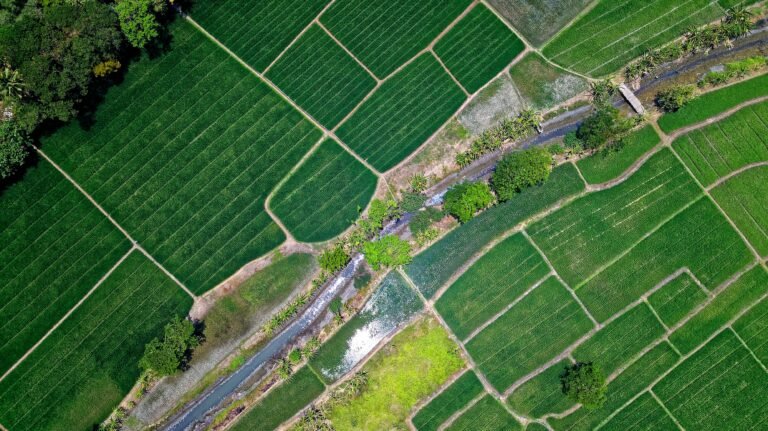
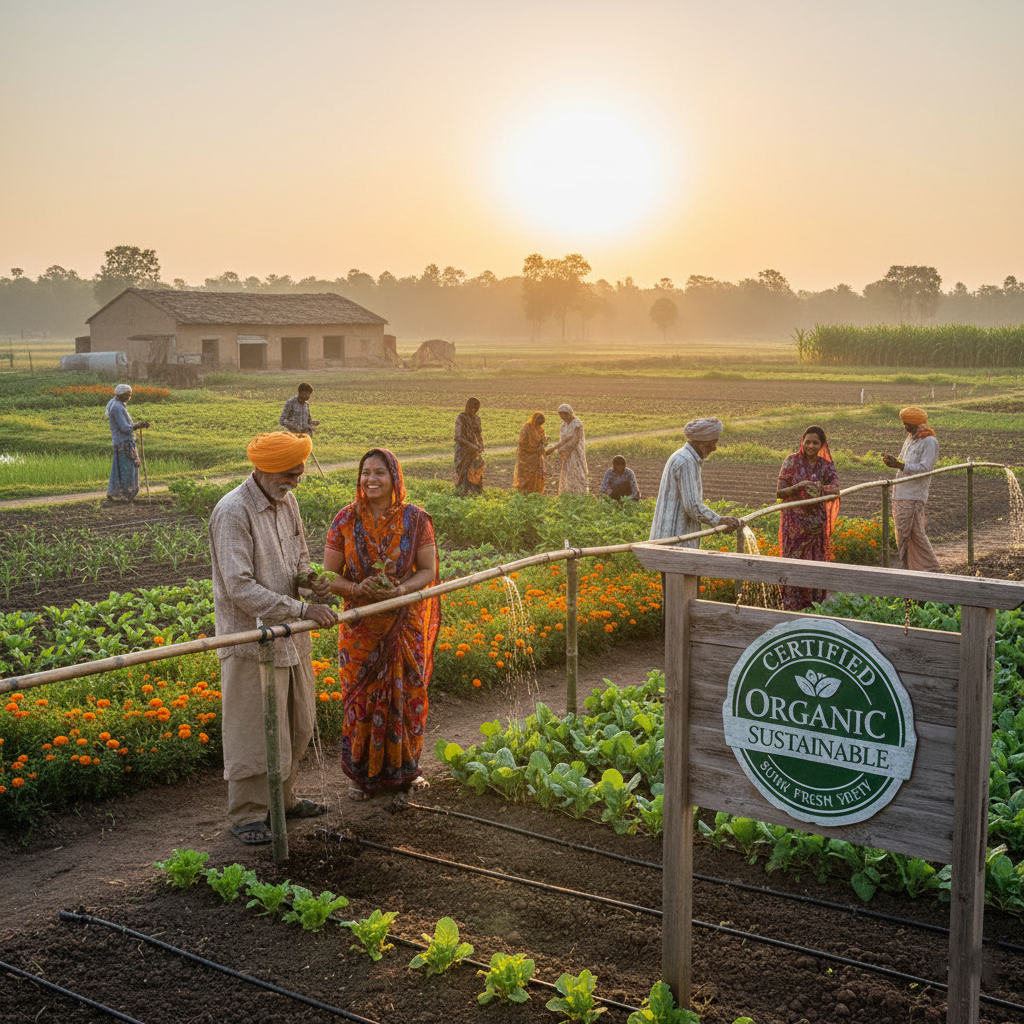
Across the world, small farmers are quietly shaping the future of sustainable food systems. Although large-scale agriculture often dominates headlines, smallholder farms produce a significant share of the global food supply. As sustainability challenges grow, their role is becoming more visible and more important.
From soil conservation to water efficiency, many sustainable practices are already being adopted at the small-farm level. With the right guidance and standards, these farms can become powerful drivers of long-term agricultural sustainability.
Why Small Farmers Matter More Than Ever
Small farmers manage a large portion of agricultural land, especially in developing regions. At the same time, they face some of the greatest risks from climate change, soil degradation, and water scarcity. When these farmers struggle, food security and rural livelihoods are directly affected.
Therefore, supporting small farmers is not only a social responsibility but also a strategic necessity for building resilient food systems.
Sustainability Challenges Faced by Small Farmers
Limited access to resources often makes sustainability harder to achieve for small-scale farmers. Many struggle with rising input costs, unpredictable weather, and lack of technical guidance. As a result, short-term survival sometimes takes priority over long-term soil and resource management.
However, when small farmers receive structured support and practical frameworks, sustainable practices become both achievable and economically viable.
Sustainable Agriculture Standards Enable Responsible Farming
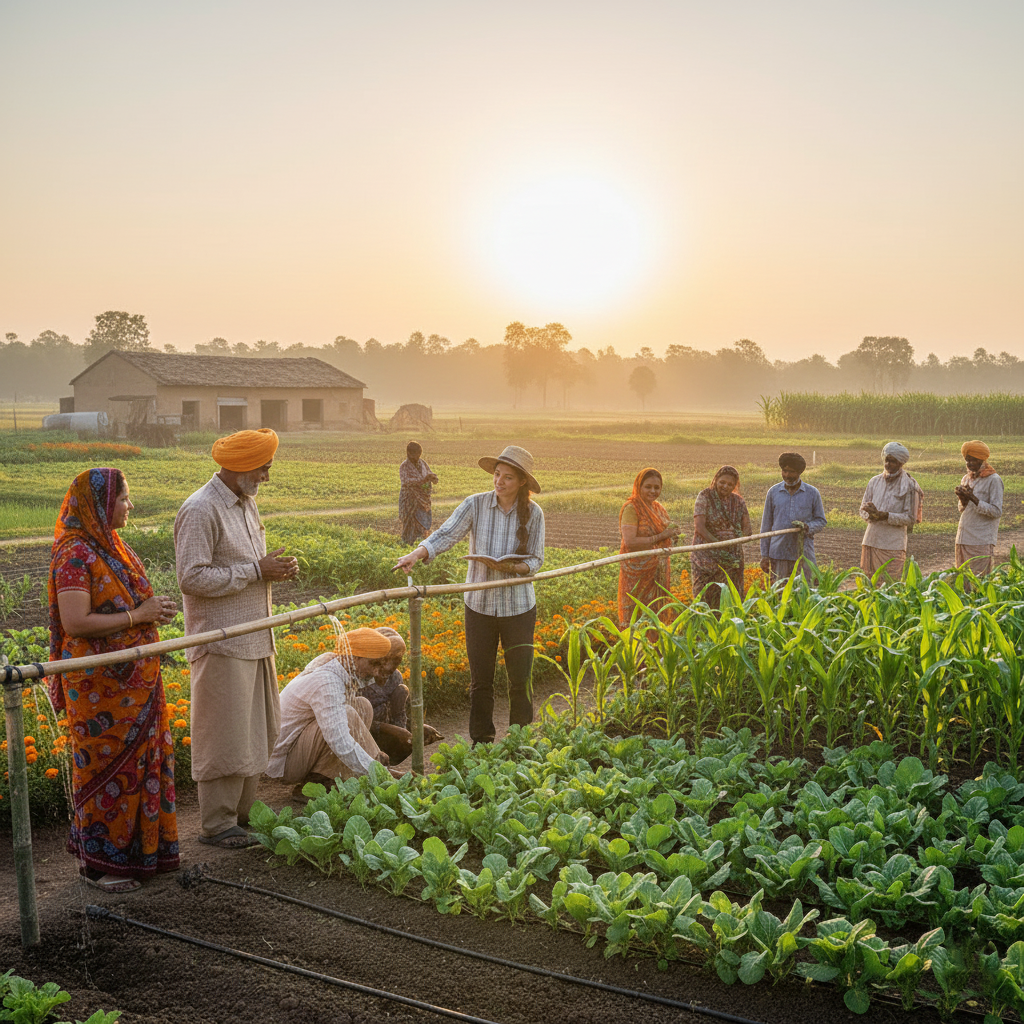
This is where Sustainable Agriculture Standards play a transformative role. These standards provide clear and practical guidelines that help farmers adopt responsible farming methods without sacrificing productivity.
Rather than imposing rigid rules, Sustainable Agriculture Standards act as a roadmap. They guide farmers on soil care, water use, crop planning, and environmental protection in a way that fits local conditions. By following these standards, small farms can improve efficiency while protecting natural resources.
Training and Certification Create Opportunities
Education and certification significantly strengthen the impact of sustainability efforts. Through training programs, farmers gain the knowledge needed to apply sustainable methods effectively. Certification then verifies these practices, building trust across supply chains.
The Global Sustainability Impact Foundation (GSIF) supports small farmers through training and certification aligned with Sustainable Agriculture Standards. This approach helps farmers access sustainability-focused markets, improve credibility, and strengthen long-term income stability.
Building Inclusive and Resilient Food Systems
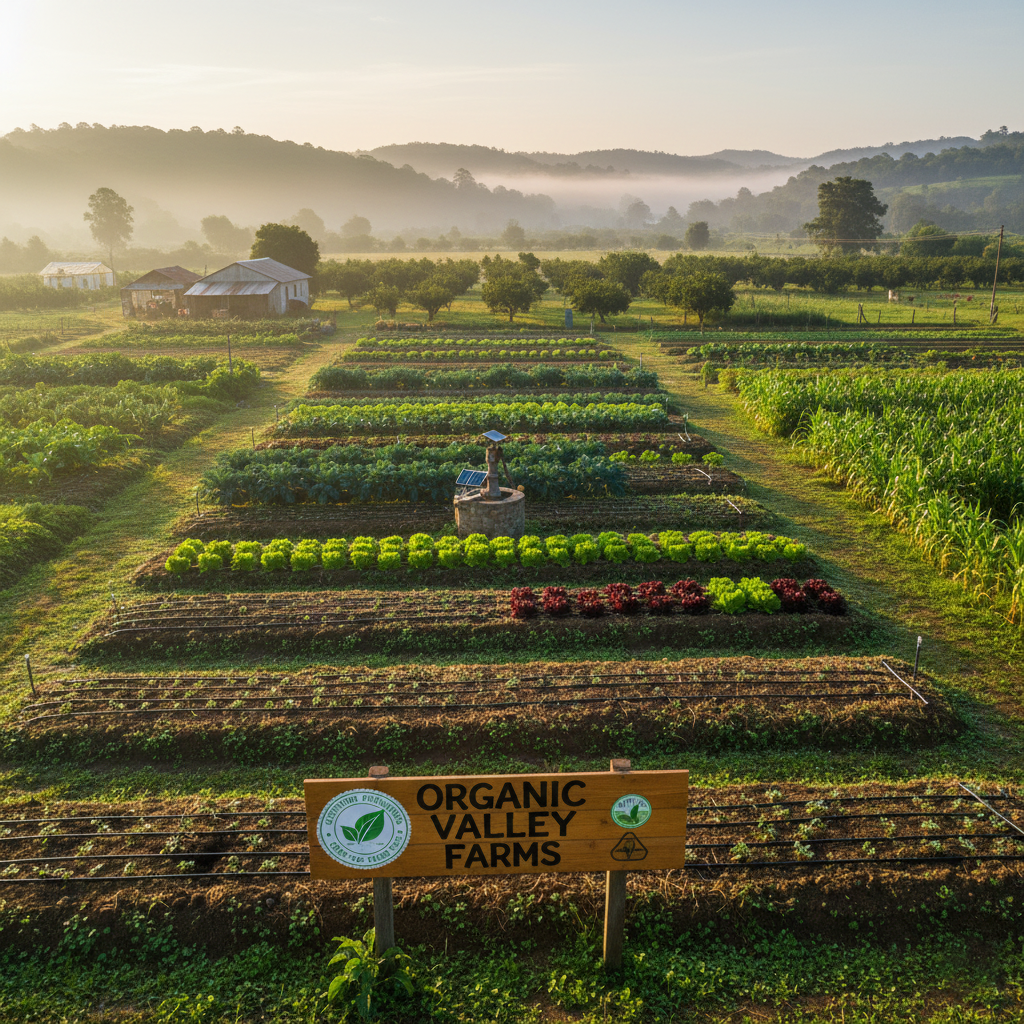
When small farmers are empowered, sustainability efforts become more inclusive and scalable. Strong standards, combined with education and certification, ensure that sustainability is not limited to large farms alone.
As global food demand rises, resilient food systems will depend on the success of small farmers. Supporting them through structured sustainability frameworks is essential for ensuring food security, environmental balance, and rural development.
About The Author