Certification Builds Trust in Sustainable Agriculture
As sustainability gains global importance, agriculture faces closer scrutiny from consumers, regulators, and international markets. Today, sustainability claims require proof. As a result, certification plays a central role in building trust and transparency across agricultural value chains.
Sustainable agriculture certification verifies that farming practices meet defined environmental, social, and economic benchmarks. For many farmers and agribusinesses, certification has shifted from an optional label to a fundamental requirement.
Growing Demand for Verified Sustainability
Across global food systems, buyers increasingly evaluate how food is produced. Moreover, factors such as soil protection, water efficiency, and ethical practices strongly influence purchasing decisions.
Without independent verification, sustainability claims often lose credibility. Therefore, certification provides a reliable system where compliance with recognized sustainability frameworks is assessed and documented.
What Sustainable Agriculture Certification Evaluates
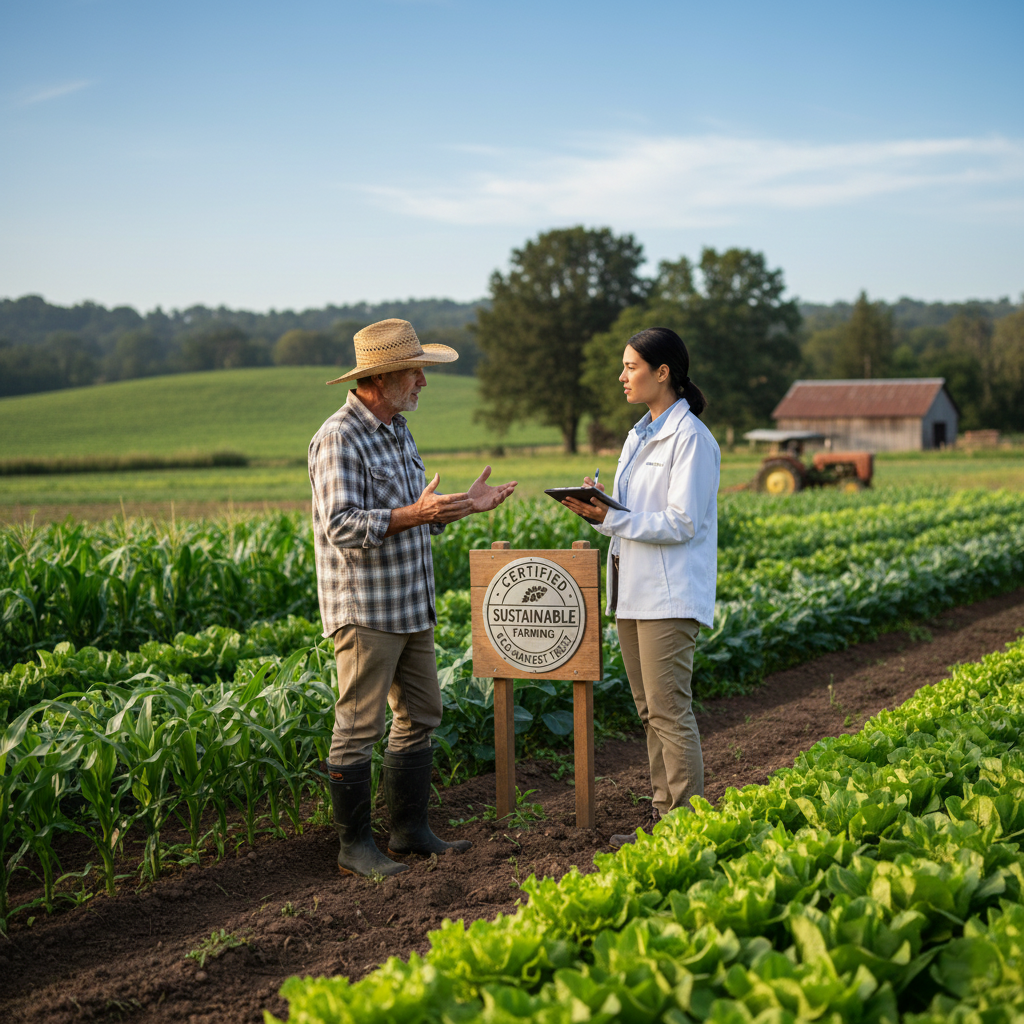
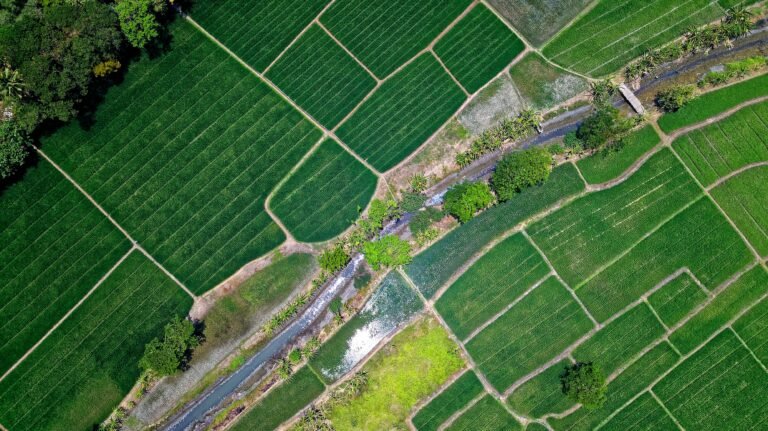
Certification programs examine farming operations across multiple sustainability dimensions. Although specific criteria differ by region, long-term environmental protection and responsible resource use remain consistent priorities.
During assessments, the following areas receive focused attention:
- Soil health management and conservation practices
- Efficient water use and protection of natural water sources
- Responsible input use and biodiversity conservation
Through these evaluations, sustainability becomes part of daily farm management instead of a marketing statement.
Sustainable Agriculture Standards as the Foundation
Certification relies on clearly defined benchmarks, which is where Sustainable Agriculture Standards become essential. These standards describe responsible farming in practical and measurable terms.
By following Sustainable Agriculture Standards, certification bodies maintain consistency during assessments. At the same time, farmers gain clarity on the actions required to achieve and maintain certification.
Through structured training and certification initiatives, the Global Sustainability Impact Foundation (GSIF) supports farmers in aligning with globally recognized sustainability expectations.
Practical Benefits for Farmers
Beyond environmental impact, certification delivers clear economic and operational benefits. Certified farms often access sustainability-driven markets and build stronger buyer confidence. Additionally, improved farm management reduces long-term risks.
Regular assessments also encourage continuous improvement. Over time, farmers refine their practices, reduce inefficiencies, and strengthen overall farm resilience.
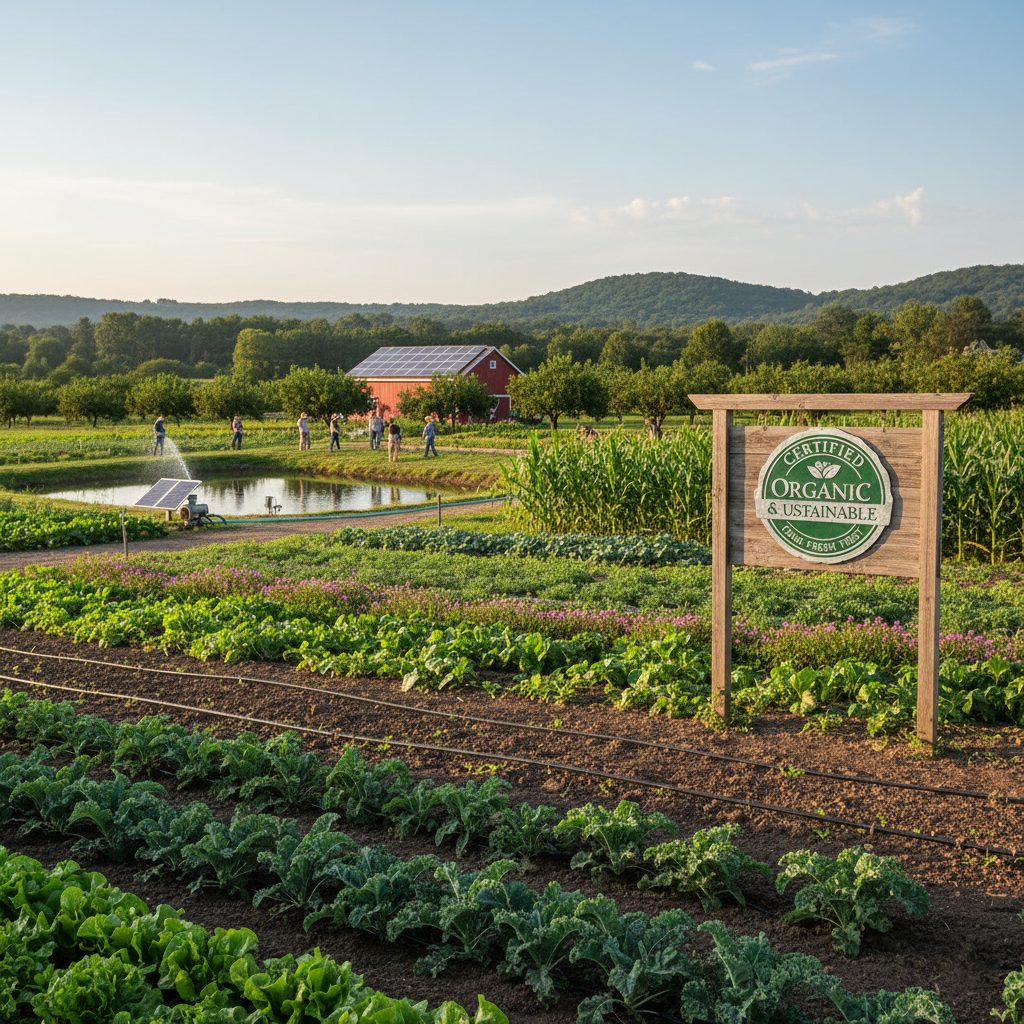
Certification Shapes the Future of Farming
As sustainability regulations tighten and climate risks increase, certification will play an even greater role in agriculture. Farms aligned with Sustainable Agriculture Standards adapt more effectively to change while maintaining credibility in global markets.
Ultimately, certification represents more than compliance. It demonstrates a commitment to responsible farming, transparency, and long-term food security.
About The Author