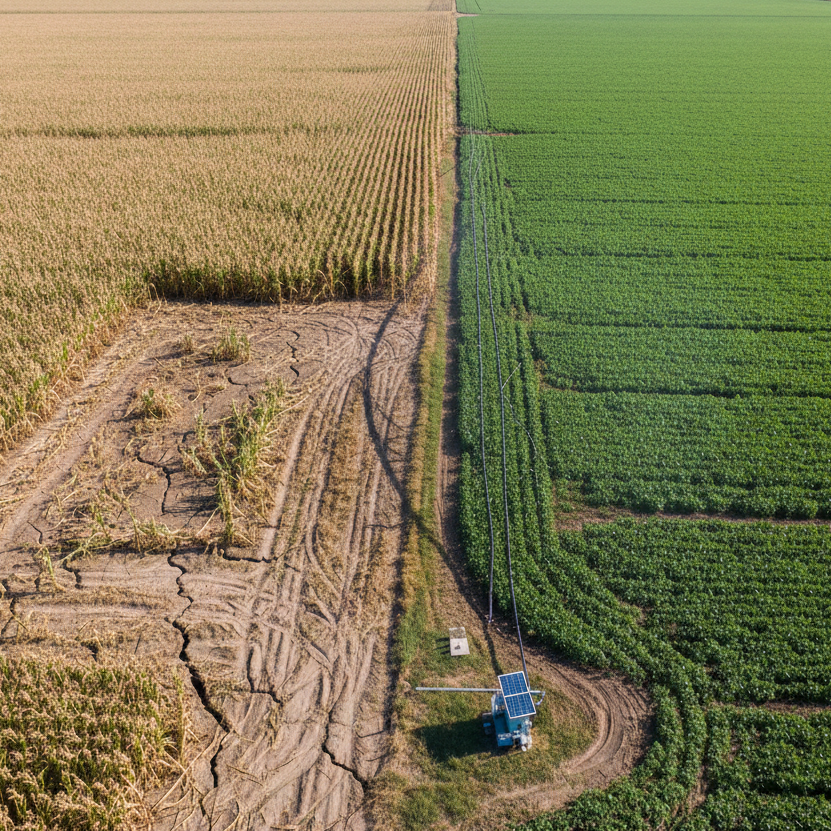
Freshwater Stress Is Accelerating Worldwide
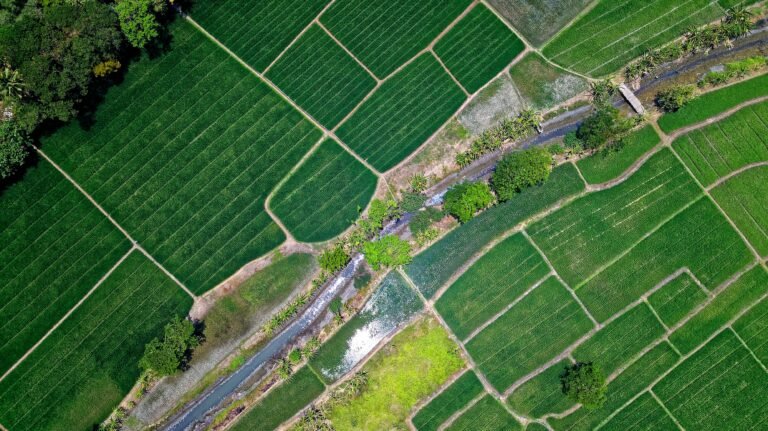
Water scarcity has rapidly evolved into one of the most pressing threats facing global agriculture. Rising temperatures, irregular rainfall, and growing demand continue to strain freshwater resources across farming regions. As a result, water availability now influences food production planning at both national and international levels.
Recent assessments indicate that regions dependent on groundwater and seasonal rainfall face increasing vulnerability, especially during prolonged dry periods.
For additional climate-related farming context, readers can explore Hidden Rainfall Origins Reshape Global Farming Strategies.
Agriculture Remains the Largest Water Consumer
Farming accounts for the majority of global freshwater withdrawals. Inefficient irrigation practices and outdated water management systems continue to increase water loss in many regions.
At the same time, competition for water between agriculture, urban use, and industry continues to intensify. This pressure forces policymakers and producers to reassess how water is allocated and managed.
Insights on community-level sustainability challenges are discussed in Building a Sustainable Future: Why Awareness Matters for Farmers, Communities, and Every Stakeholder.
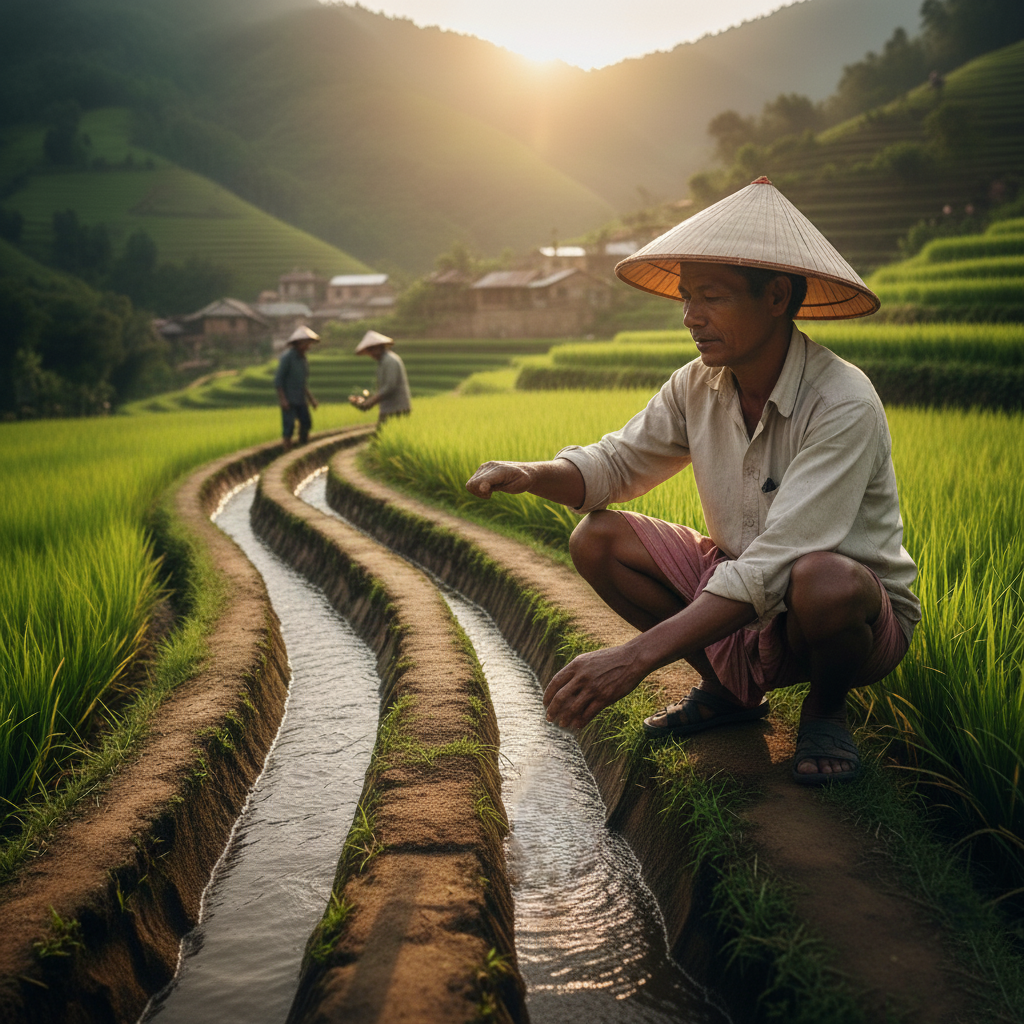
Sustainability Frameworks Guide Responsible Water Use
To address water risk, sustainability frameworks increasingly guide agricultural decision-making. These frameworks help define efficient water use, soil moisture conservation, and long-term resource planning.
Sustainable Agriculture Standards, commonly known as SAS, offer a structured approach by translating sustainability goals into measurable farming practices. Through clear benchmarks, SAS supports responsible water management while allowing flexibility for local conditions.
Certification and Training Support Adaptation
Effective adoption requires training, monitoring, and verification. Organizations such as the Global Sustainability Impact Foundation (GSIF) support sustainable agriculture by offering education, assessment, and certification programs aligned with global sustainability expectations.
Through structured learning and field-level evaluation, farmers gain clarity on improving water efficiency while maintaining productivity.
Market Pressure Increases the Urgency
Global buyers now evaluate water risk as part of sourcing decisions. Farms that demonstrate responsible water use gain stronger access to international markets, while those lacking transparency face growing scrutiny.
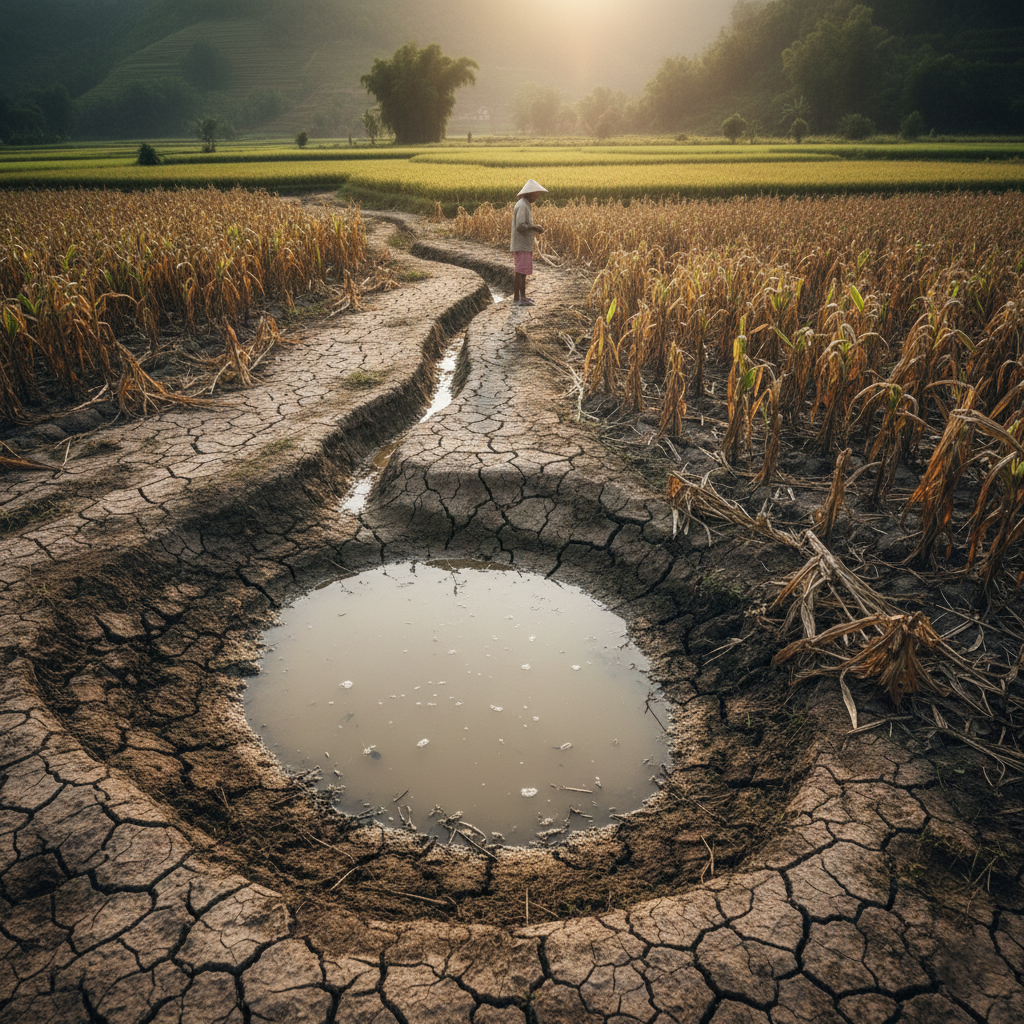
As sustainability expectations rise, water stewardship increasingly shapes competitiveness across food supply chains.
Water Management Will Shape the Future of Farming
Experts agree that water scarcity will remain a defining challenge for agriculture in the coming decades. Farming systems that adapt early through efficiency, planning, and accountability can reduce long-term risk.
By aligning productivity with responsible water use, agriculture can protect both food security and natural resources under increasing climate pressure.
About The Author



1 thought on “Water Scarcity Is Emerging as a Strategic Risk for Global Food Systems”