Carbon Farming and Climate Action
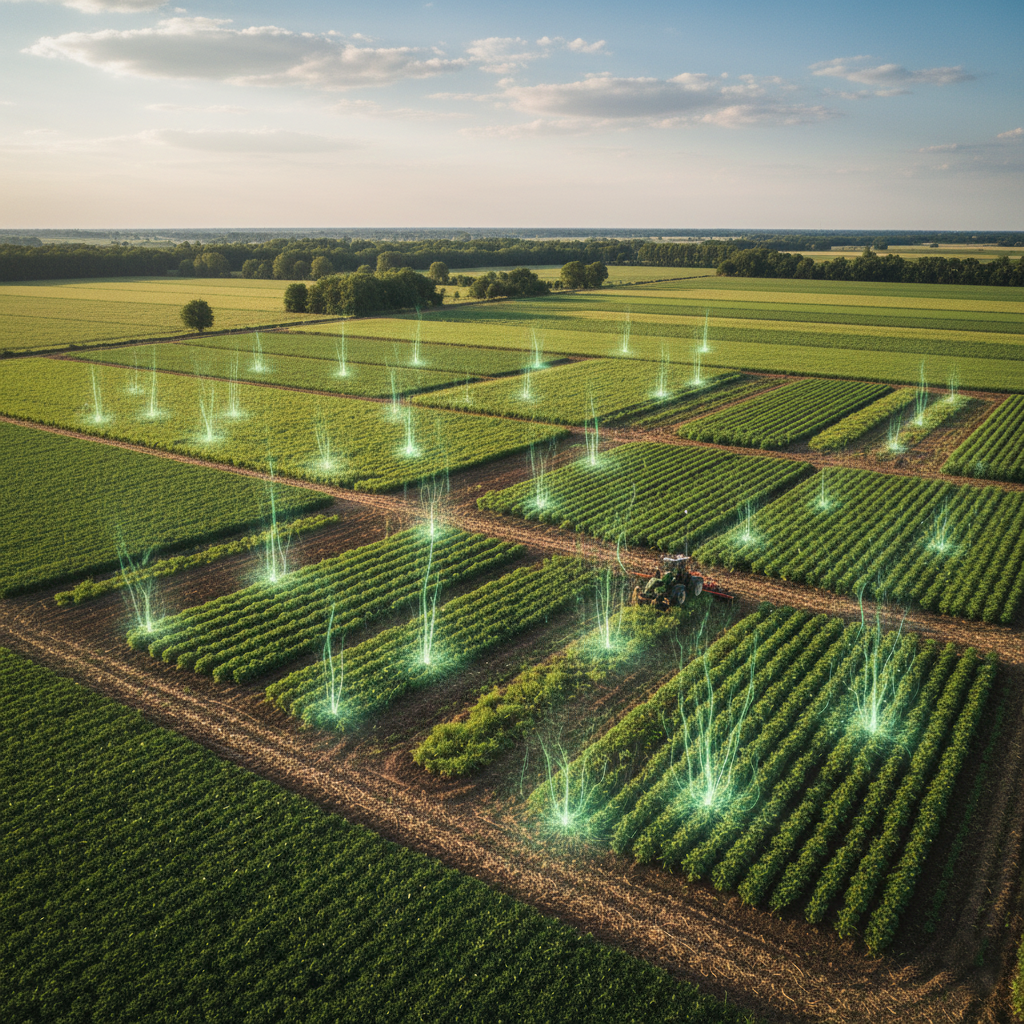
As countries struggle to meet climate targets, agriculture is gaining attention as part of the solution. Carbon farming is emerging as a practical approach that allows farms to reduce atmospheric carbon while improving soil health and long-term productivity.
Unlike industrial carbon capture methods, carbon farming works with natural processes. By storing carbon in soil and vegetation, farms can contribute to climate mitigation while strengthening their production systems.
How Agriculture Can Store Carbon
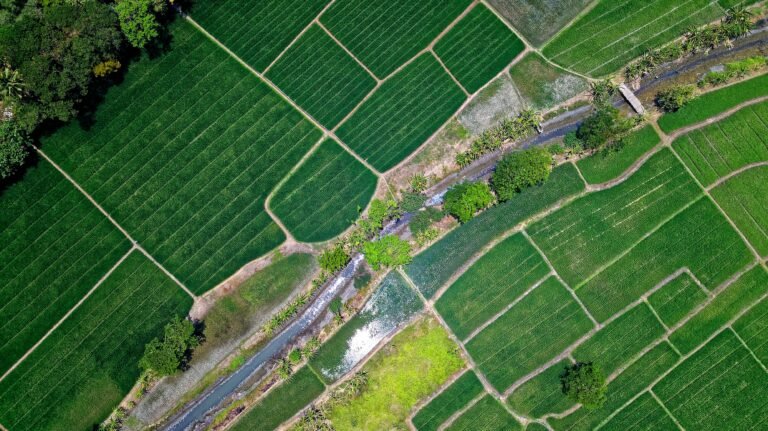
Soil naturally acts as a carbon sink. However, years of intensive farming, excessive tillage, and chemical dependency have reduced its capacity to store organic carbon. Carbon farming aims to reverse this trend through regenerative practices that rebuild soil organic matter.
When soil carbon levels increase, farms benefit from improved water retention, nutrient availability, and resilience against extreme weather conditions.
Carbon Farming Practices Gaining Global Attention
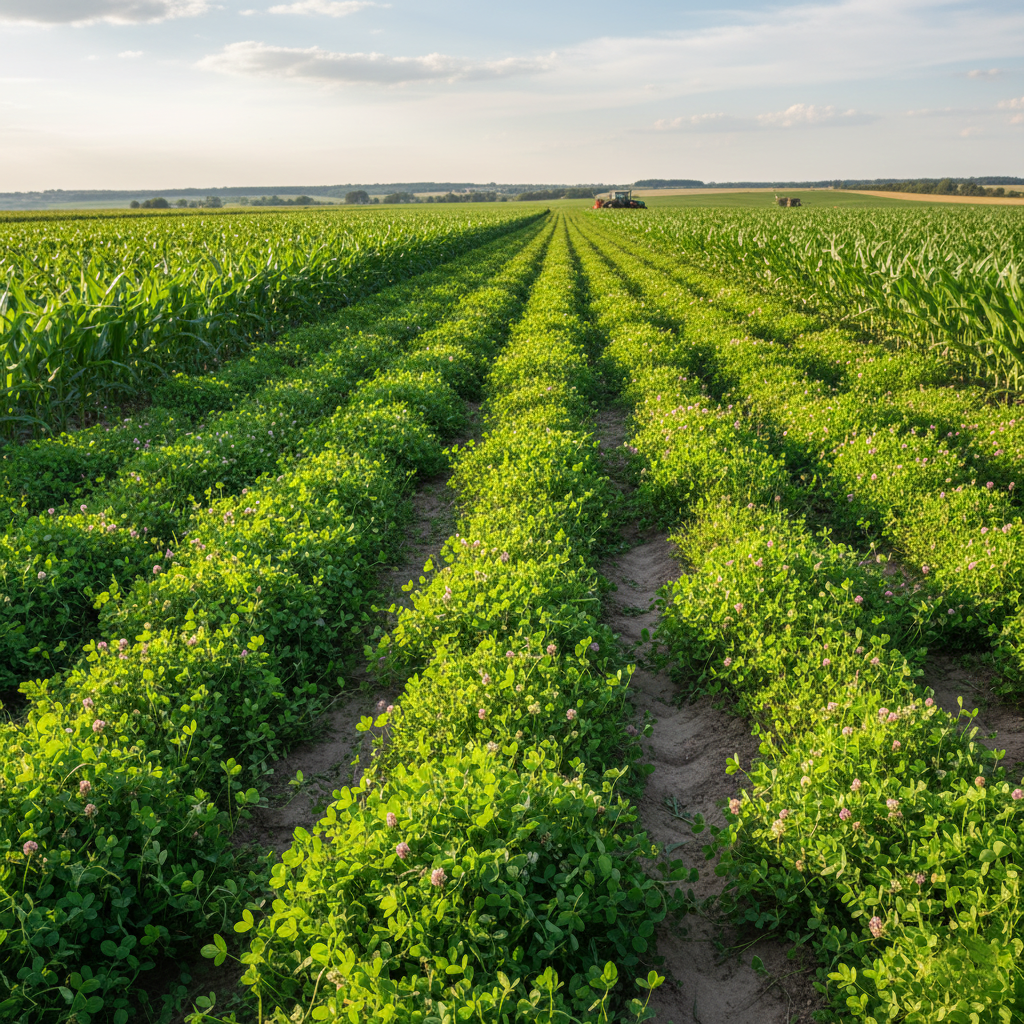
Governments and environmental agencies are increasingly supporting carbon-focused agricultural programs. These initiatives encourage farmers to adopt practices that enhance carbon storage without compromising yields.
Some commonly promoted practices include:
- Cover cropping to protect soil and capture carbon
- Reduced tillage to limit carbon loss from soil
- Agroforestry systems that integrate trees into farmland
These approaches not only support climate goals but also strengthen farm ecosystems.
The Role of Sustainable Agriculture Standards
For carbon farming to deliver measurable results, clear guidelines and accountability are essential. Sustainable Agriculture Standards provide structured criteria for soil management, crop planning, and land use that support carbon sequestration.
By aligning carbon farming practices with recognized sustainability frameworks, farms can ensure consistency, transparency, and long-term impact. These standards help translate climate goals into practical actions at the farm level.
The Global Sustainability Impact Foundation (GSIF) promotes responsible carbon farming through training programs and sustainability certification that align climate action with agricultural productivity.
Economic Opportunities for Farmers

Carbon farming is also opening new economic pathways. As carbon markets expand, farmers following sustainability standards may gain access to incentives, credits, and premium markets. This creates an opportunity to generate income while contributing to environmental protection.
However, long-term success depends on credible measurement and responsible implementation, both of which are supported by structured sustainability standards.
A Growing Global Shift
With climate risks increasing, carbon farming is becoming a strategic tool in national climate strategies. When combined with Sustainable Agriculture Standards, it offers a balanced approach that supports environmental goals while protecting farmer livelihoods.
As countries accelerate climate action, carbon farming is likely to play an increasingly important role in building resilient and sustainable food systems.
About The Author