Solar power has become one of the world’s biggest climate solutions. But a new study from China is raising an important question: what happens when the land needed for clean energy overlaps with valuable wildlife habitat?
Research published in Science this week examined solar-development policies across 2,344 Chinese counties between 2014 and 2023. The researchers found that stronger policies promoting solar expansion were associated with a decline in bird diversity, particularly where solar development converted cropland and grassland into built-up areas.
The finding does not challenge the need for renewable energy. Instead, it points to a problem that the clean-energy industry will increasingly need to solve: building more renewable power without creating unnecessary pressure on nature.
The Trade-Off Is Happening on the Ground
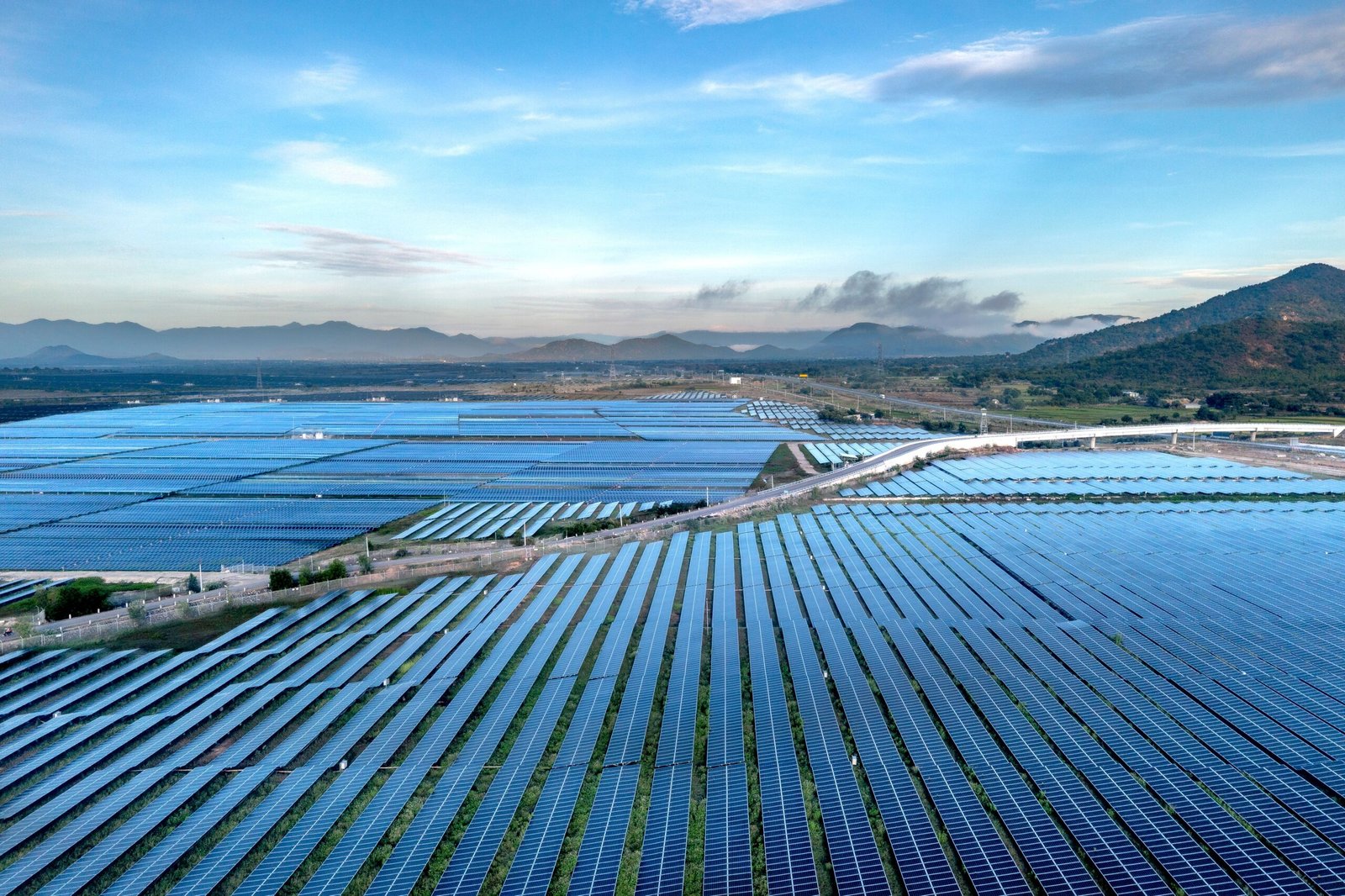
China has expanded solar power at an extraordinary pace. That expansion has helped the country reduce its dependence on fossil-fuel generation and become a major force in the global energy transition.
But solar farms need land.
When developers place large projects on ecologically valuable landscapes, they can change vegetation, fragment habitats and reduce the space available for wildlife.
The new study found that a one-standard-deviation increase in solar-policy intensity corresponded to about a 2.1% decline in the researchers’ bird-biodiversity index. The researchers linked much of this effect to land conversion, particularly the development of cropland and grassland.
That does not mean every solar project harms biodiversity. The study points instead to where and how projects are developed as a critical part of the equation.
Why Birds Matter
Birds can provide a useful signal of broader ecosystem changes because researchers can monitor their populations and distribution across large areas.
The study found effects on both resident and migratory birds, although the impacts varied between species and regions. The strongest effects appeared in wealthier and non-desert areas, where land conversion created greater ecological pressure.
This makes the findings particularly relevant as countries search for land to accommodate the next generation of solar projects.
More Solar Does Not Have to Mean Less Nature
The researchers do not argue that countries should slow the renewable-energy transition.
Instead, they point toward better planning.
Developers can prioritize already-degraded land, industrial sites, brownfields and other locations where solar projects create fewer conflicts with natural habitats. Governments can also require stronger ecological assessments before approving large projects.
That approach fits with a broader principle emerging across the renewable-energy sector: clean energy should also become nature-aware energy.
The International Union for Conservation of Nature has similarly emphasized the need to plan renewable-energy development in ways that protect biodiversity and ecosystem integrity.
A New Role for Solar-Project Design
The sustainability conversation is also moving beyond simply choosing the right location.
How developers manage vegetation, drainage, fencing, access roads and surrounding habitats can influence the ecological performance of a solar site.
Recent research reviewing biodiversity impacts from solar PV found that outcomes vary considerably depending on land type and management. The review also found that biodiversity-conscious planning and maintenance can improve conditions at some solar sites, particularly when developers integrate natural vegetation and habitat features.
That creates an opportunity for the industry.
Instead of treating biodiversity as an environmental constraint, developers can build it into project design from the beginning.
The Bigger Lesson for the Energy Transition
The climate crisis and biodiversity crisis often appear as separate challenges, but projects can affect both at the same time.
A solar farm can reduce greenhouse-gas emissions while also changing a local ecosystem. A transmission line can connect renewable electricity to cities while fragmenting habitats. A wind project can support the energy transition while requiring careful planning around birds and bats.
That means future clean-energy planning needs to consider carbon, land, water and biodiversity together.
The goal should not be to choose between climate action and nature protection. It should be to design projects that deliver both wherever possible.
Looking Ahead
The world needs far more renewable electricity to reduce emissions. At the same time, governments have committed to reversing biodiversity loss and protecting ecosystems.
Those goals will increasingly meet in the same places.
China’s experience offers an early warning—and an opportunity. If policymakers identify low-conflict sites, improve environmental assessments and give biodiversity a greater role in project planning, countries can continue expanding clean energy without repeating avoidable land-use mistakes.
Solar power remains an essential part of the energy transition. The next challenge is making that transition not only low-carbon, but nature-positive wherever possible.
Key Takeaway
The latest Chinese research shows that renewable-energy expansion can create unintended biodiversity pressures when projects convert valuable habitats. The answer is not less clean energy—it is smarter siting, stronger ecological safeguards and better-designed solar projects.
About The Author