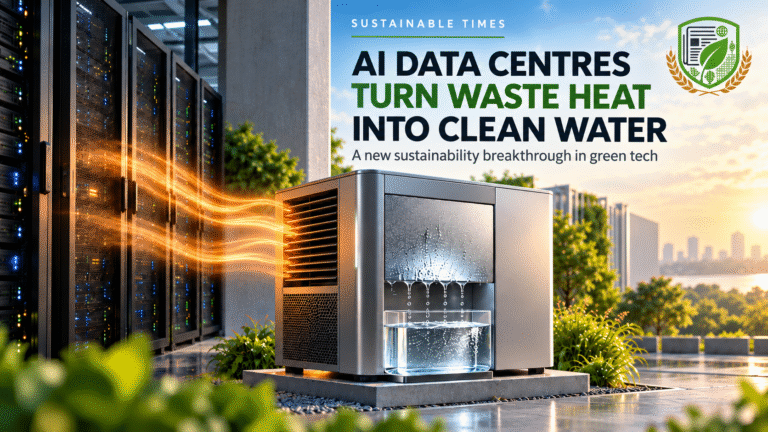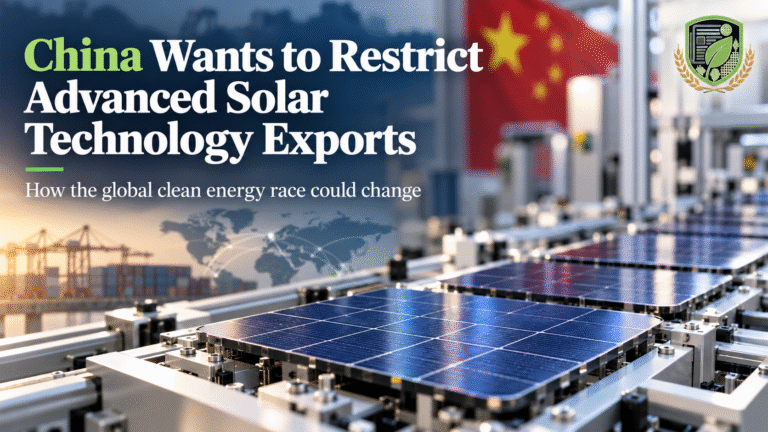
A growing number of companies and governments are integrating sustainability into their core strategies, reflecting a broader global shift toward greener economies. Recent coverage highlights how climate priorities, regulatory changes, and public expectations are influencing decisions across industries, from executive boardrooms to supply chains.
Climate and energy transitions take center stage
The transition toward cleaner energy systems continues to shape global markets. Countries and corporations are accelerating efforts to meet emissions targets while responding to changing energy demands. This includes expanding renewable energy infrastructure and investing in technologies such as wind, solar, and green hydrogen.
However, challenges remain. Rising fuel prices and concerns around energy security are creating tension with long-term climate commitments. Despite these pressures, industry experts and business leaders continue to prioritize decarbonization, even as economic uncertainty and inflation affect spending plans.
ESG frameworks face practical challenges
Environmental, social, and governance initiatives remain a key part of corporate strategy, but their implementation is becoming more complex. Companies are navigating regulatory hurdles, political debates, and varying levels of investor confidence across regions.
As a result, many organizations are moving away from broad sustainability claims and adopting more detailed and measurable reporting practices. There is an increasing focus on transparent disclosures related to carbon emissions, labor conditions, and supply chain impacts. This shift reflects a demand for greater accountability and credibility in sustainability reporting.
Local communities drive meaningful change
Sustainability efforts are also gaining traction at the community level. Across different regions, local initiatives are playing a crucial role in addressing climate challenges. Projects such as solar-powered microgrids and conservation programs led by indigenous and smallholder groups are demonstrating practical solutions.
These initiatives highlight the importance of accessibility, local participation, and equitable distribution of resources. In areas affected by unreliable electricity, decentralized energy systems are helping reduce emissions while improving resilience and stability.
Evolving business strategies and reporting standards
Corporate sustainability strategies are becoming more structured and data-driven. Business leaders are increasingly prioritizing renewable energy investments, energy transition planning, and supply chain sustainability. While budget increases may be gradual, the long-term commitment to sustainability remains strong.
At the same time, regulatory expectations are becoming more stringent. Companies are preparing for enhanced reporting requirements related to climate risks and sustainability performance. These evolving standards are influencing how organizations set goals, select partners, and develop products.
About The Author