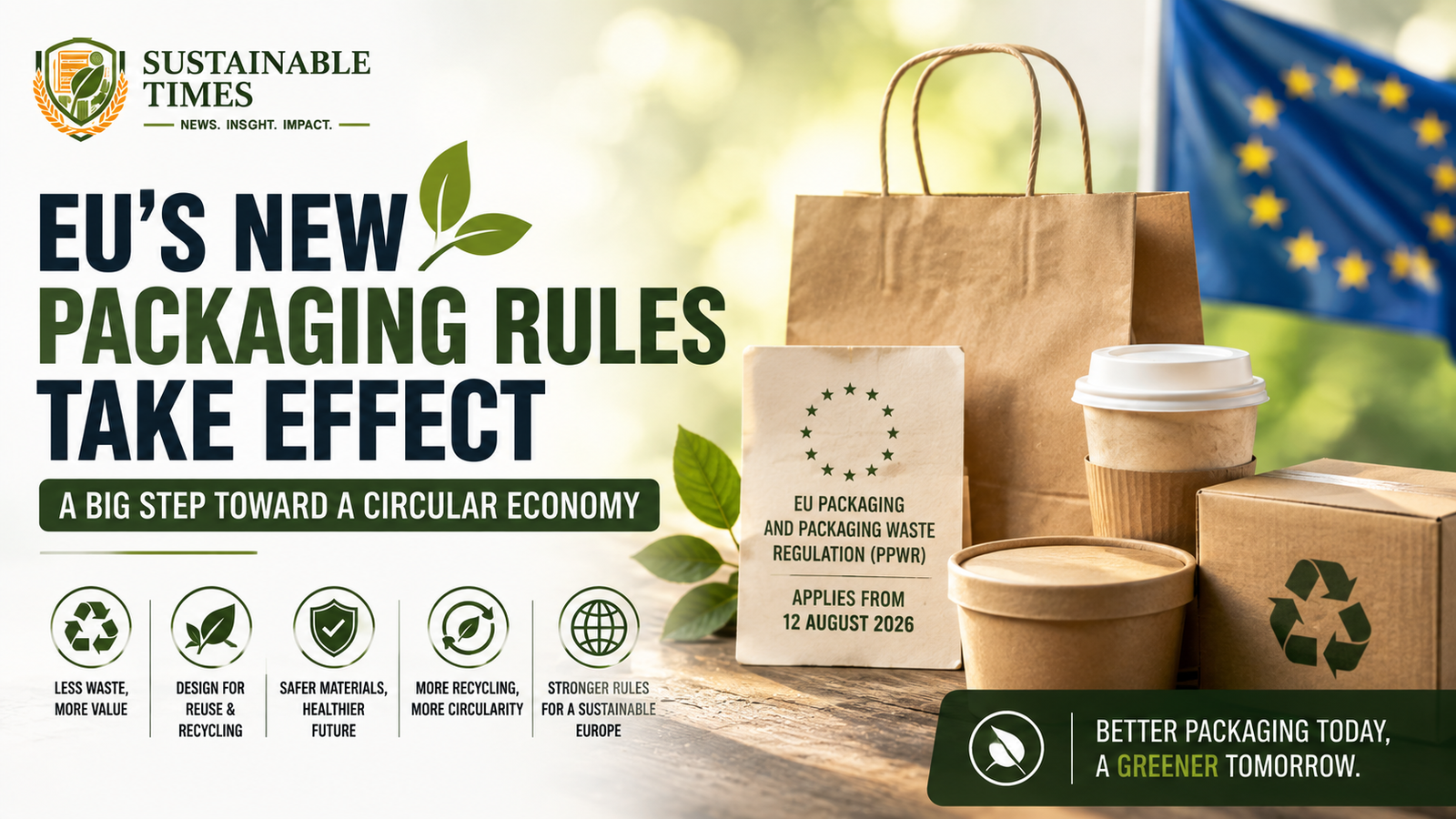
Europe is taking a major step toward changing how products are packaged. The European Union’s new Packaging and Packaging Waste Regulation (PPWR) starts applying from August 12, 2026, bringing the first phase of a wide-ranging set of rules designed to cut packaging waste, improve recycling and make packaging safer.
The regulation covers the entire packaging lifecycle, from how companies design and manufacture packaging to how consumers reuse, sort and recycle it. For businesses selling products in Europe, packaging is no longer simply a branding or logistics decision—it is becoming a much bigger part of sustainability strategy.
PFAS Restrictions Take Effect
One of the most immediate changes concerns PFAS, often called “forever chemicals” because they persist in the environment for long periods.
From today, food-contact packaging containing PFAS above specified limits can no longer be placed on the EU market. These chemicals have been widely used in items such as takeaway containers, food wrappers, microwave popcorn bags and pizza boxes because they resist grease and water.
The EU wants to reduce exposure to these persistent chemicals while also limiting their release into the environment.
The Focus Moves From Recycling to Prevention
Perhaps the bigger change is that the regulation does not simply ask Europe to recycle more. It asks companies to produce less unnecessary packaging in the first place.
The rules introduce measures covering packaging weight and volume, reuse, recycled content and unnecessary empty space. By 2030, packaging must meet stronger recyclability requirements, while e-commerce, transport and grouped packaging will face a maximum empty-space ratio of 50%.
The EU has also set a clear waste-reduction path. Member states must reduce packaging waste per person by 5% by 2030, 10% by 2035 and 15% by 2040, compared with 2018 levels.
What It Means for Businesses
For manufacturers, retailers and brands, these changes will require more than simply switching materials.
Companies will need to look closely at packaging design, material choices, recycled content, labelling and waste-reduction strategies. Businesses that sell across several European markets will also benefit from more harmonised rules, replacing some of the fragmented requirements that previously differed between countries.
This could push packaging innovation forward, from lighter designs and refill systems to improved recyclable materials and reusable delivery formats.
A Push Toward a Circular Economy
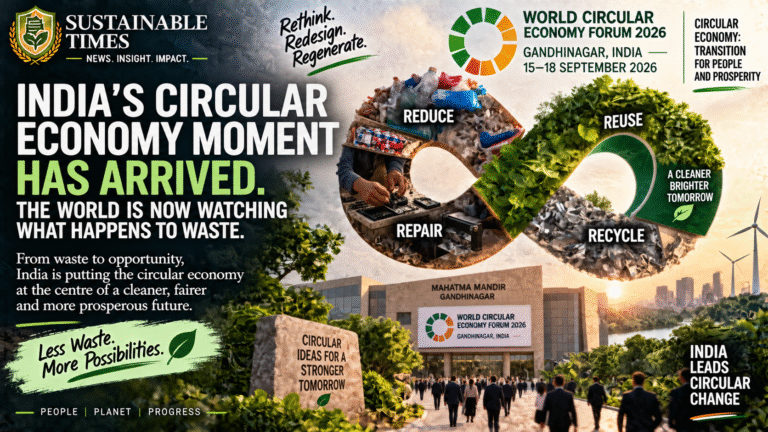
The EU sees packaging reform as part of a much larger transition toward a circular economy.
Instead of extracting resources, producing packaging, using it once and sending it to waste, the goal is to keep materials in circulation for longer. The regulation therefore introduces measures that encourage reuse, recycling and the use of secondary raw materials.
The European Commission expects the changes to reduce pressure on natural resources while strengthening Europe’s supply of recycled materials and reducing dependence on virgin fossil-based resources used in plastic production.
What Comes Next?
Today’s implementation is only the beginning.
Additional requirements will arrive gradually. From 2028, a harmonised packaging labelling system will help consumers identify materials and sort waste more easily. Many of the major obligations, including stronger recyclability and recycled-plastic requirements, will apply from 2030.
That gives businesses time to redesign packaging—but the direction is already clear.
Packaging will increasingly need to do more with less: use fewer resources, create less waste, remain functional and fit into a system where materials can be recovered and reused.
Looking Ahead
The EU’s new packaging rules could influence markets well beyond Europe. Global brands that supply European consumers may need to rethink packaging systems across their wider operations rather than creating completely separate solutions for different markets.
For the sustainability sector, the significance is even broader. Europe is moving the conversation from “Can we recycle this?” to “Did we need to make this packaging this way in the first place?”
That shift could become one of the most important steps yet toward a genuinely circular economy.
Key Takeaway
The EU’s Packaging and Packaging Waste Regulation marks a shift from managing packaging waste after it is created to preventing unnecessary waste at the design stage. As the rules expand over the next few years, packaging companies and global brands will face growing pressure to make products lighter, safer, reusable and genuinely recyclable.
About The Author